Years in the Making: A First Look at The Brothers Three Series and the Journey of Storytelling

Welcome back to A Hobbit’s Journey.

It’s been a little while since I last wrote here, but this season feels like the right time to begin again. For the past few months, I’ve felt the pull to return to this space — to share stories, reflections, and the worlds I’ve been quietly building in the background. Today begins a new chapter of writing, one I’m excited to walk with you.

If you’ve read my blog before, you know I love to explore Tolkien, myth, and the beauty of fantasy. That passion hasn’t changed. But alongside those reflections, I’ll also be sharing something very close to me: my own novel series, The Brothers Three.

Over the weeks ahead, I’ll be writing about the fantasy world I’ve been building for over eight years — the lore, the kingdoms, the songs, the villains, and the brothers at its heart. I’ll also share the process behind the words: how stories are mapped, how characters are shaped, and how world-building grows from sparks of inspiration into living, breathing realms.

This is the next step of A Hobbit’s Journey — not just reading and reflecting on fantasy, but creating it, together.


The Brothers Three Novel Series

It begins in Gallandor, the First Kingdom of Eldoria, built into the mightiest mountain in the land. For centuries, it has stood as the seat of the High King and Queen — a place of power, politics, and history. But beneath its grandeur lies a deeper truth. The mountain itself holds the sealed tomb of the Dread King, who was defeated in what the old songs call the First Sundering, a war so vast it drew every race and kingdom into its fire. The era itself is remembered as the Age of Ashes, when the world burned and nearly broke under his shadow. His body was entombed in the mountain’s depths, and Gallandor rose above it — both protector and reminder of the darkness that once sought to unmake the world.

It is here that three brothers were born together, in the same moment, under the same breath of fate. Triplets. A rarity even in our world, but in Eldoria, it is almost unheard of. Their birth sent whispers through the kingdom — whispers that destiny had not chosen one heir, but three.

Yet they were not born unmarked. Before their first cries echoed through the halls, Morgathra — the Dread King’s sister — had laid her curse upon them. Each bore a scar, etched before birth, a reminder that darkness had not forgotten.

And so their lives began not as princes in peace, but as sons of prophecy, tethered to a storm that has yet to break.


A World Called Eldoria

Their story stretches far beyond Gallandor’s mountain citadel. It unfolds across seven kingdoms, each with its own crown and song.

  • Silvermoon, hidden high in mist-shrouded mountains, where the High King’s palace glimmers faintly in the moonlight.
  • Ironclad, carved into the mountainside, its forges glowing red against the night sky.
  • Greenwood, a city grown into the colossal trees of the ancient forest, alive with torchlight and elven grace.
  • Stormwatch, clinging to jagged cliffs above a raging sea, its towers lit by lightning and battered by endless waves.
  • And others still, each carrying scars from the age of shadow, each holding secrets that will one day test the Brothers Three.

Eldoria is not merely a setting. It is a land heavy with memory. Every stone remembers the wars that came before. Every ruin whispers of glories and griefs long past. And in its silence, something stirs again.


The Spindelum of Time

At the heart of their first tale lies a relic — the Spindelum of Time.

Neither jewel nor crown, it is older than the kingdoms themselves. Some say it was forged by the Keepers. Others claim it fell from the stars. All agree on one thing: it does not serve lightly.

The Spindelum does not bend to men’s will. It tests them. To glimpse it is to see past, present, and future threaded together in fragile strands. To wield it is to risk shattering them all.

The Brothers did not seek it. But it has called to them all the same.


Songs Already Sung

And here is where the story blurs with myth. Across Eldoria, bards sing fragments of it already — not as prophecy, not as history, but as echoes.

They sing of The Forge Beneath the Veil, where fire was first kindled in darkness.
They mourn with The Whispering Wastes, where silence holds the voices of the lost.
They tell of oaths, of stars, of flames that would not kneel.

And if you’d like to hear those songs brought to life, you can. Over the last several months, I’ve been sharing them through a project called The Ambient Bard — a YouTube channel where the tales of Eldoria are sung out in bardic style, weaving lore and music together. It’s been a joy to take pieces of this world and give them voice, letting the songs of Eldoria echo outside the page.


Why I Write

Writing, for me, has always been more than words on a page. It’s an escape — a way of stepping outside the weight of the world for a while and breathing in another one. Some people find relief in music, others in long walks or painting; for me, it has always been stories.

When life has been heavy, the page has been a place to lay it down. When the world has felt too loud, the act of creating another has been quiet enough to hear myself again. Over the years, that practice of world-building, character-making, and plotting stories hasn’t just been about books — it’s been about restoration.

And that’s part of why I’m sharing it here. Not just to say “here’s my novel,” but to open the process, the joy, and the love of fantasy that’s carried me since I was a child. If you’ve ever felt that pull into a book that made you forget the clock, or if you’ve ever longed for a story that gave you space to breathe — you already know why I write.


Why This Story Matters

The Brothers Three isn’t just a book I’m writing. It’s the culmination of a lifetime of loving fantasy, of fifteen years of blogging, of eight years of world-building, character-making, and story-weaving.

It’s about brotherhood. About scars that become strength. About the fragile hope that even in a world overshadowed by darkness, light can still break through.

And maybe that’s why I want to share it here. Not because it’s finished — it isn’t. Not because it’s perfect — it won’t be. But because stories aren’t meant to be hidden. They grow brighter when they’re shared.


Looking Ahead

So what can you expect here in the weeks ahead?

  • Lore & World Building — more glimpses of Eldoria’s kingdoms, heroes, and villains.
  • Writing Reflections — behind-the-scenes looks at process, inspiration, and creativity.
  • Fantasy Explorations — my ongoing love of Tolkien and other works that shaped this journey.
  • The Brothers Three — teasers, tales, and moments as the saga continues to take shape.

This blog will be a blend of both my world and the craft of writing itself. A place where the songs, the lore, and the process meet.


Until Next Time…

This is only the beginning. In the weeks to come, I’ll be sharing more glimpses of Eldoria — its kingdoms, its heroes, its ruins, it’s shadows, and my writing process of how I look at creating a fantasy world and more.

For now, I’ll leave you with this:

The Brothers, Born as one, scarred as three, bound by the turning of time.

And a question, for you:
What draws you most to fantasy stories — the characters who carry the burden, the lore that breathes beneath the world, or the landscapes that make you long to wander?

Mindfully Mapping Your Blogging

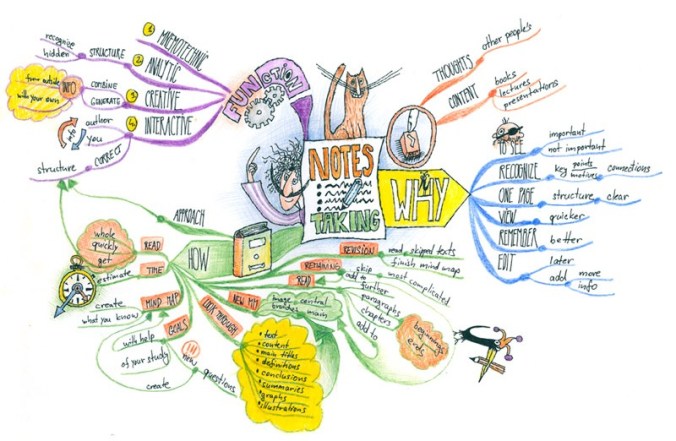
Happy Weekend to all you writers and bloggers out there! Let’s dive into Blogging Workflow and how you can set yourself up for success without feeling overwhelmed by deadlines. Think of it as a journey through a creative landscape. It is much like mind mapping. The goal is to find clarity and direction amid the chaos of ideas. You can read more on mind mapping. I detailed how I use it in an earlier post I did here a couple of years ago here.

1. Start with a Clear Plan

Just like in mind-mapping, the first step in your blogging workflow is to start with a plan. Start by mapping out your content ideas for the month. Whether it’s brainstorming for Blaugust or outlining your blog series, having a roadmap helps you see the bigger picture. Find key topics you want to cover and assign them to specific dates. This not only gives you direction but also prevents the feeling of that last-minute scramble for ideas.

2. Prioritize Your Content

Once you have your topics laid out, rank them based on deadlines and relevance. What needs to be published first? What can wait? Prioritization helps you stay focused on what’s important without getting sidetracked by less urgent tasks. It’s like mind mapping. Some branches of your idea tree are more important than others. Those are the ones you’ll want to flesh out first.

3. Break Down the Process

Blogging can feel overwhelming if you look at it as one massive task. Instead, break it down into smaller, manageable steps. Start with research and idea generation, then move on to drafting, editing, and finally publishing. By compartmentalizing each stage, you’re less likely to feel overwhelmed. It’s like the branches of your mind map—each branch is a step toward the final product.

4. Set Realistic Deadlines

One of the biggest challenges in blogging is managing deadlines, especially when life gets busy. Set realistic deadlines for each step of your process. Give yourself enough time to draft, revise, and polish your content. If you’re participating in a challenge like Blaugust, it’s okay to adjust your posting schedule. Choose something more sustainable if needed. Remember, quality over quantity.

5. Create a Buffer

Life happens, and sometimes you can’t stick to your schedule. That’s why it’s essential to build in a buffer. Aim to have at least one or two posts ready ahead of time. This way, if you hit a rough patch, you won’t miss a deadline. Think of it as having extra branches on your mind map. You can explore these branches if your main idea hits a roadblock.

6. Get Flexible

While having a plan is crucial, being flexible is equally important. If inspiration strikes or if a topic suddenly becomes relevant, don’t hesitate to adjust your schedule. Flexibility lets you stay current and keep your content fresh. It’s like revisiting your mind map….sometimes, you need to explore a new branch or idea that wasn’t in your original plan.

7. Reflect and Adjust

Finally, take time to show your workflow. What worked well? What didn’t? Adjust your process so for the next round. Blogging is a continuous learning experience, and your workflow should evolve with you. Just like refining your mind map, your blogging process should become clearer and more efficient over time. In the end, a successful blogging workflow is about finding the right balance between structure and creativity. With a clear plan, realistic deadlines, and a flexible approach, you can stay on track without feeling overwhelmed. Just like mind mapping, it’s about organizing your thoughts in a way that brings clarity. This organization allows your creativity to flow.

My Journey as a Writer and Blogger

Greetings, fellow adventurers! As we dive into Blaugust, I’m excited to take this opportunity to introduce myself and share my journey as a writer and blogger. Known to many as Iogro Merrybelly, I have been passionately crafting stories and sharing my thoughts through writing and blogging for many years. Today, I’d like to delve into my background, my love for fantasy, current projects, and my involvement in the vibrant writing community.

Personal Background: My Journey as a Writer and Blogger

My journey began in the quiet corners of libraries and the vast landscapes of my wild imagination. Ever since I was a child, I found solace in books, particularly in the realms of fantasy. The tales of brave heroes, mystical lands, and epic adventures captivated me and fueled my desire to create my own stories. This passion for storytelling naturally led me to writing and blogging, where I could share my creations with a wider audience.

As a blogger, I’ve developed my voice and honed my craft over the years. My blog, A Hobbit’s Journey, has become a place where I aim to inspire others to embrace their creativity and embark on their own writing adventures. The sense of community and the feedback from readers has been instrumental in shaping my journey as a writer.

The origins of my name, “Merrybelly,” are deeply personal. It’s a reflection of my jovial personality and my love for bringing joy to others. I’ve always been known for my laughter and positive outlook on life, which is why the nickname “Merrybelly” fits me so well. Over time, “Iogro,” or “Iggy” as some call me, became intertwined with Merrybelly and emerged as a key character in my “Brothers Three” novel series. This character embodies the same joy and enthusiasm that I bring to my writing and interactions with the community.

“Iogro” is pronounced “Eye-oh-grow,” a unique name that often piques curiosity. The nickname “Iggy” originated during my time in the Lord of the Rings Online (LOTRO) world and the kinship I was part of, where a ragtag bunch of adventurers christened me with it. Those golden days of MMO kinship and camaraderie have left an indelible mark on me, making “Iggy” a cherished part of my identity.

Passion for Fantasy: The Heart of My Storytelling

Fantasy writing holds a special place in my heart. There’s something magical about creating worlds where anything is possible, where dragons soar, and heroes rise against the odds. My love for fantasy is deeply rooted in my childhood experiences with classic tales like “The Hobbit” and “The Lord of the Rings.” These stories ignited my imagination and set me on a path to create my own fantastical worlds.

For me, fantasy is more than just a genre; it’s a way to explore complex themes, delve into the human experience, and escape into a world of wonder and excitement. Whether I’m weaving tales of epic battles, intricate magic systems, or heartfelt character journeys, fantasy allows me to express my creativity and share the magic within my mind.

One of the most rewarding aspects of writing fantasy is the ability to create characters that resonate with readers. Crafting rich, multi-dimensional characters who embark on heroic quests or face moral dilemmas adds depth to the story and makes the journey more engaging for both the writer and the reader.

Current Projects: Crafting New Adventures

Currently, I’m immersed in several exciting writing projects. One of my main focuses is the “Brothers Three” novel series, a captivating tale that combines elements of adventure, mystery, and family bonds. This project has been a labor of love, and I’m thrilled to see it taking shape. The series follows the journey of three siblings as they navigate a world filled with magic, danger, and hidden secrets.

In addition to the “Brothers Three” series, I’m working on expanding my blog content to include more writing tips, world-building guides, and insights into the creative process. My goal is to provide valuable resources for fellow writers and inspire them to embark on their own storytelling journeys.

Writing a novel series has its challenges, but the satisfaction of bringing a story to life and sharing it with readers is immensely fulfilling. The process involves extensive planning, character development, and world-building, but each step is an opportunity to create something unique and magical.

Community Involvement: Embracing the Writing Community

One of the most rewarding aspects of my writing journey has been my involvement in various writing communities. Participating in events like NaNoWriMo has connected me with a diverse group of writers who share my passion for storytelling. The camaraderie, support, and encouragement I’ve found in these communities have been invaluable.

NaNoWriMo, in particular, has been a significant part of my writing journey. The challenge of writing a novel in a month is both exhilarating and daunting, but the sense of accomplishment and the friendships formed during this event are truly remarkable. The NaNoWriMo community is a testament to the power of collective creativity and the magic that happens when writers come together.

Conclusion: Join the Adventure

As we continue this Blaugust adventure, I invite you to join me in celebrating the joy of writing and blogging. Whether you’re a seasoned writer or just starting, remember that your voice is unique, and your stories matter. Embrace your creativity, connect with fellow writers, and let your imagination soar. Together, we can create a vibrant and supportive community where every story finds its place.

Happy blogging, and may your writing journey be filled with inspiration and wonder!

Embarking on a Journey: Crafting Your Own Fantasy World

In the realm of literature, there are few experiences as exhilarating as the creation of a fantasy world. It’s a process that combines the boundless potential of your imagination with the structured craftsmanship of storytelling. Whether you’re an aspiring author looking to pen your first fantasy novel or a seasoned writer aiming to delve deeper into the genre, the adventure of world-building and character creation is both rewarding and intricate. Let’s explore the essentials of creating your own fantasy universe, rich in detail and vibrant with life, while drawing inspiration from my own journey with the current novel I’m writing.

The Foundations of Your World

1. Geography and Landscapes

Topography: Begin by sketching the physical features of your world. Are there sprawling mountain ranges, dense forests, or vast deserts? Each landscape can influence the culture and lifestyle of its inhabitants. For example, in my work, the varied terrains shape the resilience and adaptability of the characters. Think about how different environments can provide unique challenges and opportunities for your characters.

Climate and Weather: Consider how the climate affects the environment. Does your world have distinct seasons, or is it perpetually shrouded in mist? Weather patterns can add layers of realism and affect plot progression. The shifting seasons in my stories often play a crucial role, testing the endurance and survival skills of the protagonists. Imagine how extreme weather events could force characters to make pivotal decisions or alter their paths.

Natural Resources: Identify the resources that are abundant or scarce. This can shape economies and lead to conflicts or alliances. A region rich in magical crystals, for instance, could become a hub of power and conflict. Think about how access to resources affects social structures, trade, and power dynamics in your world.

2. Cultures and Societies

Races and Species: Populate your world with diverse beings, each with unique traits, histories, and societies. Think beyond humans to include elves, dwarves, dragons, or entirely new creations. The diversity of races in my stories adds depth and richness to the narrative. Consider how different species can bring unique perspectives and skills to the story.

Languages and Dialects: Create languages or dialects that reflect the diversity of your world. Even a few unique words can add depth to your setting. In my writing, the use of ancient languages holds secrets and power, providing a sense of history and mystery. Developing a lexicon for your world can enhance immersion and provide clues to cultural nuances.

Traditions and Customs: Develop cultural practices, festivals, and rituals. These elements enrich your story and give readers a sense of continuity and history. For example, annual festivals and rituals in my work serve as both cultural touchstones and pivotal plot events, bringing characters together and revealing societal values. Think about how traditions can reveal character traits and advance the plot.

3. History and Mythology

Ancient Legends: Craft myths and legends that have been passed down through generations. These stories can influence present-day events and character beliefs. The legends in my current projects provide unifying myths that drive the characters’ quests and shape their destinies. Consider how ancient legends can create a sense of depth and continuity in your world.

Historical Events: Outline major historical events that have shaped your world. Wars, alliances, natural disasters, and technological advancements can provide a backdrop for your narrative. In my stories, past conflicts and their aftermath set the stage for current tensions and alliances. Think about how historical events can influence the current political landscape and character motivations.

Breathing Life into Characters

1. Heroes and Villains

Protagonists: Your main characters should be relatable and complex. Give them strengths, flaws, and motivations that drive their actions and decisions. In my writing, each character has distinct strengths and weaknesses that contribute to their individual arcs and interpersonal dynamics, creating a rich, character-driven narrative.

Antagonists: A compelling villain is as essential as a memorable hero. Develop their backstory and motivations to create a nuanced adversary. The antagonists in my projects are not just sources of conflict but characters with their own goals and history, making them formidable and believable opponents. Think about how your villain’s actions and motivations can challenge your protagonist and drive the plot.

2. Supporting Cast

Allies and Mentors: Introduce characters who aid the protagonist, offering guidance, skills, or resources. They can provide support and challenge the hero’s beliefs. The mentor figures in my stories help the protagonists navigate their journeys, providing wisdom and skills crucial to their success. Consider how mentors can shape the protagonist’s growth and development.

Rivals and Foils: Characters who oppose or compete with the protagonist add tension and conflict. Their presence can highlight the protagonist’s growth and development. Rivals in my writing constantly challenge the protagonist’s decisions, pushing them to become better leaders. Think about how rivals can create dynamic and engaging subplots.

3. Character Arcs

Personal Growth: Ensure your characters evolve throughout the story. Their journeys, both external and internal, should be marked by challenges and revelations. Each character in my projects undergoes significant personal growth, learning to balance their individual desires with their responsibilities to each other and their world. Consider how challenges and successes shape your characters’ development.

Relationships: Develop meaningful relationships between characters. Friendships, romances, and familial bonds can drive emotional investment in your story. The bonds between characters in my writing provide strong foundations for their adventures and conflicts. Think about how relationships can enhance the emotional depth and complexity of your narrative.

The Magic of Plotting

1. Building a Strong Narrative

Conflict and Resolution: Every great fantasy novel revolves around conflict. Whether it’s a battle against dark forces or a personal struggle, the resolution should feel earned and satisfying. In my work, central conflicts involve both external battles and internal struggles, creating layered and compelling narratives. Consider how different types of conflict can enrich your plot.

Subplots: Weave in secondary storylines that enrich the main plot. These can involve supporting characters or delve into the history and politics of your world. Subplots in my stories explore themes of loyalty, betrayal, and redemption, adding depth and complexity to the main storyline. Think about how subplots can enhance the thematic richness and character development of your story.

2. Pacing and Structure

Tension and Release: Maintain a balance of high-stakes moments and quieter, character-driven scenes. This rhythm keeps readers engaged and invested. My writing balances intense action sequences with moments of introspection and character interaction, creating a dynamic and engaging narrative flow. Consider how pacing can enhance the emotional impact and readability of your story.

Cliffhangers and Hooks: End chapters with questions or revelations that compel readers to keep turning the pages. Each scene should contribute to the overall narrative momentum. In my projects, cliffhangers and revelations keep readers on the edge of their seats, eager to discover what happens next. Think about how you can use suspense and intrigue to maintain reader interest.

3. Themes and Messages

Core Themes: Identify the central themes of your story. Whether it’s the battle between good and evil, the quest for identity, or the power of friendship, these themes should resonate throughout your narrative. Themes of brotherhood, sacrifice, and destiny are central to my writing, providing a unifying thread for the story. Consider how themes can add depth and coherence to your narrative.

Moral Dilemmas: Challenge your characters with ethical choices that reflect the complexity of real life. These moments can add depth and provoke thought in your readers. Characters in my stories face numerous moral dilemmas that test their values and beliefs, adding complexity and realism to their journeys. Think about how moral challenges can enhance character development and thematic richness.

Creating an Immersive Experience

1. Sensory Details

Visuals: Paint vivid pictures with your words. Describe the colors, shapes, and movements within your world. The richly described landscapes and environments in my writing transport readers into the heart of the story. Consider how detailed visual descriptions can enhance immersion and create a vivid setting.

Sounds: Incorporate the sounds of your environment, from the rustling of leaves to the clashing of swords. The auditory details in my stories add an extra layer of realism. Think about how sounds can create atmosphere and enhance the reader’s experience.

Smells and Tastes: Engage all the senses by mentioning the scents of a marketplace or the taste of a celebratory feast. The sensory details in my work bring the world to life, making it tangible and immersive. Consider how incorporating smells and tastes can add depth and richness to your descriptions.

2. Emotional Depth

Inner Monologues: Delve into your characters’ thoughts and feelings. This insight creates a strong connection between the reader and the character. The introspective moments in my stories provide valuable insights into the characters’ motivations and fears. Think about how inner monologues can enhance character development and reader empathy.

Symbolism: Use symbols and motifs to add layers of meaning. These can be objects, colors, or recurring elements that reflect broader themes. For example, in the first book of my “Brothers Three series, there is an item called the Spindelum of Time,” the Time Spindelum itself represents the fluidity and fragility of time, adding a layer of meaning to the characters’ quests and journey through the world. Consider how symbols can subtly reinforce themes and add a sense of continuity and cohesion to your narrative.

Conclusion: The Art of Fantasy Writing

Creating a fantasy world is an art that requires imagination, patience, and attention to detail. It’s a journey of discovery, where every element you design contributes to a rich and immersive narrative. As you embark on this adventure, remember that your world is a reflection of your creativity and passion. Embrace the process, and let your story unfold with all the wonder and complexity that fantasy offers.

Personal Reflections and Encouragement

As I work on my own novel called The Brothers Three which is a coming-of-age high fantasy novel with multiple books in the series, I find that the most rewarding part of writing fantasy is the ability to explore new ideas and push the boundaries of my imagination. This genre allows us to create worlds where anything is possible, where the only limits are those we set for ourselves.

For those of you venturing into fantasy writing, I encourage you to dive deep into your creativity. Let your imagination guide you, and don’t be afraid to take risks. Your unique voice and vision are what will make your world stand out. Happy writing!

Growing Through Blogging

vintage-typewriterOne of the most daunting tasks in blogging is making a schedule for writing and sticking to it!  Personally, for me, I am a night owl and most of my writing is done late night after the family has found their pillows.  I’ve been blogging a lot over the last few months, as well as spending a lot of time on my fantasy novel which takes most of my brainpower and writing focus.

Outside of the fantasy novel I’m working on, and the increased writing schedule here on the blog all my content has been with my podcast; All Things Geekery that my co-host and I do twice a month.  Podcasting was just the next step for my co-host and I as we had both wanted to get into it for a long time.  I’ve still got a huge passion for writing and always will, but my focus has changed on how that content is published and driven.  Which is all based around the outlets I’ve chosen to create material in like WordPress, Podcasting, Twitch, Writing etc.

My love for writing started when I was a kid and has continued through my adult years and blogging was where this crazy journey really changed things for me.  Blogging is such a great way for writers to grow and connect with an audience or just have that creative outlet for the pure enjoyment of writing. This outlet gives us a way to go in-depth with our topics unlike most social media outlets, aka micro-blogging outlets like Twitter.  I’ve enjoyed blogging for years and it’s given me a place to hang out with others in my little corner of cyber-space.  If you’ve spent any time at all blogging or writing, you know it can be tough and at times brings some stress with it.

So with that being said, here are just a handful of tips I’ve learned over the years which I hope help you all in your writing adventures.

1. WRITE THOSE IDEAS DOWN

You never know when a good blogging idea is going to pop up, so hot those things down!  I personally go old school and use a Moleskine journal for my blogging ideas along with sticky notes, which I use different colors for different topics.  It may sound like madness but it works for me and helps keep me organized for my writing schedules. Especially now that most of my writing is going towards my book.

2. BACKLOG & SCHEDULING

Learn to schedule posts best you can and how they fit into what you want your writing life to look like. If you have time and can do it, schedule posts throughout the week and keep a backlog of posts if you are trying to hit a specific number of posts per week or month that you can quickly choose from.

3. GUEST BLOGGING

Find you some blogging friends that will allow you to do guest blogging, and or co-blogging as that’s a great way to market your content and grow each other’s sites.

4. STOCK UP

You never know when an idea will hit and you’re looking for an image of sorts to show off this lovely idea you want to blog about. Browse through images you want to use for your blog posts and keep a stock in a folder for future posts.  This will help with the last-minute search for an image, though lately, I’ve been making my own depending on the topic.  See what works best for you and your schedule.

5. MAKE A LIST & CHECK IT TWICE

Make yourself a list of items to check before you hit that publish button.

6. BREAK IT UP

Break up your posts into multiple parts if they are running long. This will help keep the reader’s attention and hopefully coming back to check out those next parts.

7. CHAT IT UP

Use those comment sections as it can be a gold mine.  Watch for questions and good topics for conversations and even potential notes for future posts.

8. DON’T SWEAT IT / DON’T STRESS IT

Life happens and if you are like me well then blogging is a hobby, so don’t stress if you don’t make those post counts you wanted.  The best thing to shoot for is consistency but when you can’t don’t sweat it.  I try to post twice a week but that doesn’t always happen.

9. REFURBISH THAT CREATIVITY

Don’t fret about reusing previous posts or topics either.  You don’t want to repost the same exact post you’ve already used, but when you are in a crunch and the creative juices aren’t flowing, then maybe an older post will kickstart things again….rework that thing and use it!

10. LEARN TO HAVE GRACE

Give yourself some grace. This is a journey that should be filled with fun and moments of learning, but also filled with mistakes and curveballs!  When you find that crazy typo or sentence that makes your eye twitch, or just doesn’t make sense at all…..”DON’T WORRY” Learn from those mistakes and let those moments become part of the journey, part of the fun and something that makes you want to become better.

These are my bread and butter items I use whether I’m writing a small blog post, or working on my novel series.  Hopefully, these few items will help you along your writing/blogging journey as much as they have helped me!

Writing A World Of Fantasy

content-writing-typewriter-paperballs-ss-1920Doing something a little different for today’s post!  I’ve been putting a ton of time into plotting, world-building, and just getting that much needed time into writing on my novel series, so I wanted to share some fun tips I’ve learned along the way about writing in the fantasy genre.

Writing a fantasy novel is great fun – you can literally let your imagination run wild.  It’s a little different when writing a novel set in the real world as unlike books set in a reality where you can use real-life as examples, you’ll have to invent everything in your new fantasy world.  Do you enjoy writing, are you working on a fantasy novel, or have you had the notion to start one?  I hope the next few minutes while reading this helps you no matter what stage you might be in for writing a novel.

One of the best things you could do to kickstart things is to read as many classics as you can find!  No matter the type of book you begin writing this will give you a good idea about what works and what doesn’t.  Remember though that reading other people’s works is something to help with idea spawning and relax your mind.  You must take note not to simply copy the ideas you’ve read from any of the good old classics or other pieces of work you find.  If you find yourself dealing with elves, halflings, and orcs whilst being a reluctant hero on a quest to destroy a powerful item, it’s probably best to scrap it and start again. It is true that all stories are a combination of those the reader has encountered over the years. But, you should always try to find an original angle and it certainly should not be obvious what the source material was. Reading the classics will also allow you to discover how well-crafted characters interact with each other as the story progresses.

Tip 1: Use established myths and legends as the basis for your fantasy world. Think about what your fantasy world might be like.  Do your studying and find out what your world and culture are mostly like….Is it Celtic, Roman, a medieval world or a blend of multiple cultures with your own twist on it? Once you’ve chosen, go and read about the myths and legends that relate to those cultures. The mythological creatures and characters and their stories will give you a great basis for your new world.

Tip 2: Get to know your imaginary world – you need to be able to describe it in detail if you are going to convince your readers, for the duration of the book at least, that it exists. Be thorough and detail everything you can possibly imagine about the world you are creating.

  • Physical – what does your fantasy world look like? Think about and make a note of:
    • the color of the sky
    • what other planets can be seen from the surface
    • whether the air is breathable
    • what the plants look like
    • what creatures live there
    • whether there are seas
    • what the landscape looks like
    • futuristic world or something older
  • Residents – decide who lives in your newly formed fantasy world. You should spend time thinking about how they look, what they eat, how they move, whether they need sleep, how they speak to one another etc…
  • Society – what kind of society exists? Do they need money to buy things? Is there a complex system of politics they follow? Do they have a police force, a king or president? Is there a religion?
  • Special powers/magic – Do the residents have any special powers or use magic? If so, what are they and why do they exist? Does everyone have the use of them or only certain people?

Tip 3: Make your characters believable. This is one of the most essential parts of the book if you want to hook and keep readers interested in the story. A great way to achieve this is to apply logic to every character in every fantasy world you create. This means creating a set of rules that apply to the world and the character. The rules can be based on either real life or they can be simply invented by you.  Remember if you are creating the rules of the world, don’t let a BOX hold you back from being creative.  Sometimes creating our own ways is just the push we need to make that next step in our creative writing.

Tip 4: Make sure you keep careful notes of all the details you invent for your new fantasy world. This will help you maintain continuity throughout the novel. There are many ways of doing this, some writers like to have a set of cards with the details on, others set up spreadsheets; so play around with different systems to find one that suits you the best.  I personally use a book mapping chart I created in excel that helps me track all major parts of the book I need.  I hope these few steps help you get started, or give an idea of what steps to take next in writing your new fantasy novel!

Remember, have fun!! That is the first and foremost thing I can say when writing… Have Fun and lots of it!

The Beauty & Challenge of Writing Fantasy

1_gR4JdoxLh-qGgRTWtXLphwSince I’ve been back to a more frequent schedule of writing both on my novel and here on the blog I wanted to take a look at some of the challenges of writing fantasy, scheduling time for it and doing what you love.
First of all, I just want to say how much I love epic fantasy, both as a reader and as a writer. To me, this genre is unmatched in the way you can make anything possible, with no boundaries on your creativity or imagination.  This type of freedom in writing opens up so many possibilities but also brings in a lot of challenges as well.

I think everyone who has put a pen to paper or their fingers on a keyboard has run into the issues of staring at a blank page and thinking about all the things you could put down on the said page. It’s hard because once you start writing, you can and will be constrained at times by what you write on that page.  When that light bulb moment kicks in and the initial idea becomes a reality for you it’s like a thrill ride honestly.  Not really knowing where it’s going to take you, or what is coming up around the corner can be exciting and frighting all in the same moment.

For me, one of the biggest challenges and joys of writing comes with the creative freedom you have over the story and how it’s being told.  Ultimate possibilities are within the power of your fingertips and absolutely no one can tell you what should or shouldn’t be done when writing.  There really isn’t a rule book when it comes to this stuff, as you as the author can invent entire worlds filled with culture, history, and whatever you want it to have.  The challenge though comes in once you start writing those ideas, as it must be consistent across the story just as things would be in real life, but you have a different set of rules you can play by per-say.

Another challenge you will probably encounter is around world-building and unfolding the history and creation in the story itself. I tend to immerse myself in the process, inventing names, cultures, beliefs, trying to envision them all in my head. This is extremely challenging and time-consuming, but once you have that idea solidified like you want it is very rewarding and freeing.

Building characters is also another challenging place when writing. It’s hard to stick to one point of view when writing an epic fantasy novel, so finding a balance between points of view to that character’s personality and connecting them with the audience can be tough.  I’m working on my first novel right now and it’s been a long enjoyable, tiresome, exciting time but the challenges have been overwhelming at times.

Overall I wrestle with myself a lot and the world I’m creating as I will spend hours trying to make things perfect before they ever hit the page.  Unfortunately this has caused a lot of unwritten things that probably could have been written badly and fixed while editing.  I began book plotting which helped with this madness and over the last few years has kept my mind somewhat straight on where the story needed to go…..and allows me to visually see the overall plot, sub-plots, and timeline.  When I began seeing things tie together, I simply could not believe what I was reading honestly.  I was kinda shocked that things were making sense and that what I was reading was working.  Ultimately, seeing this epic story, set in a made-up world come together is my reward.  Having that sense of freedom and joy while writing is hard to explain but for everyone out there who has experienced it and managed to push through the challenges knows how rewarding writing can be.

Keep pushing through those challenges, have fun with your writing, and pursue those dreams as the process of learning and seeing your world come together is so worth it.

The Dragonlance Chronicles – A Nostalgic Review


Dragonlance-Logo.jpg

I’ve been feeling a little nostalgic lately, and for whatever reason, the Dragonlance novels have been standing out over the last few weeks.  So, what better way to scratch that itch then dig out your old book collection from when you were a kid and re-read said novels.  Yes, I still have books from when I was a kid tucked away in boxes in the attic…..mainly because we’ve run out of space in all our bookshelves in the house.

If you haven’t read the Dragonlance novels and want a great high fantasy novel to get lost in then I personally would recommend these.

Dragonlance Novels:

dragonlance-chronicles-books.png

History Behind The Books

The Dragonlance novels were based on a series of Dungeons & Dragons game modules. The books came about because the designers wanted novels to tell the story of the worlds they were creating.  After Tracy Hickman came to TSR it was announced that development was to happen on his series of dragons based role-playing adventures.  Hickman’s storyline was chosen for the Dragonlance books due to the twelve-part storyline.  Margaret Weis came into the picture as she was assigned to edit Hickmans “Project Overlord,” as it was initially called, a novel intended to be coordinated with a trilogy of Dungeon & Dragons modules.  The newly formed team plotted the novel and hired an author who didn’t work out.  By this time, Weis and Hickman were so into the project they felt they had to write it and the rest is history.

Breakdown of the Novels

9bb39109e3a6149a1f1e27e4fadc4bcfThe Dragonlance Chronicles were one of the first novel series I read that introduced my love for the world of fantasy.  The first novel series that I fell in love with of course was JRR Tolkien’s The Hobbit, and The Lord of the Rings.  The Dragonlance Chronicles holds a high place on my list though mainly because I was one of those role-playing geeks of the 80’s. 
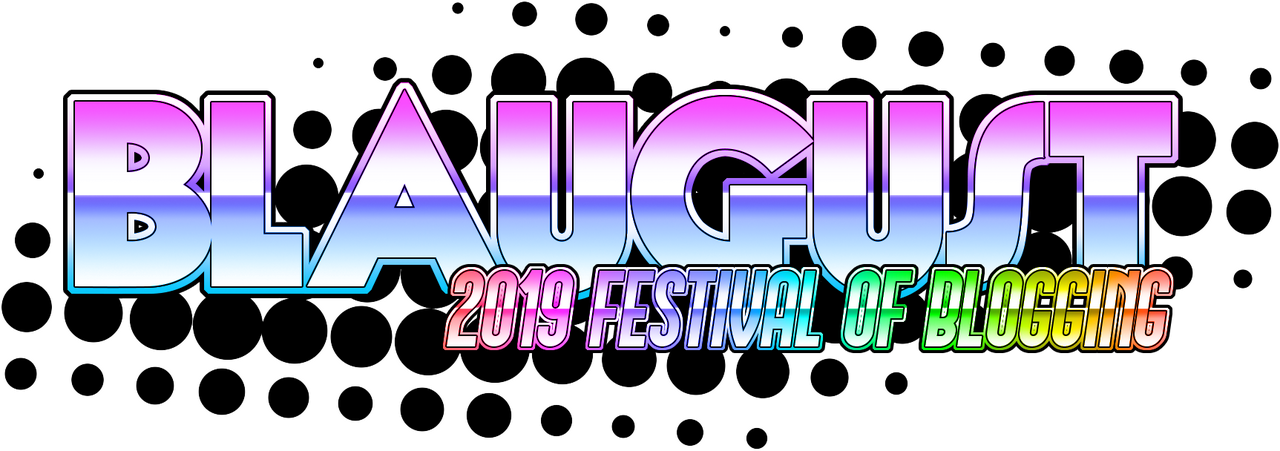
Let’s take a look at the first book, Dragons of Autumn Twilight which has a strong character base but the first book does feel over the top at times.  What really stood out to me about the first book were the “Major” characters in the story, and there are a few that were very distinct.  Unfortunately, the story has some downsides and one major part is the characters seem lost, as does the navigation of the overall plot. But, as an introductory novel, it sets events in motion without giving anything away which is impressive to do no matter the genre.  The second and third novels develop completely different, which felt more organic and that the writers were given much more freedom with the plot.

Here’s what I like about the original Dragonlance Chronicles and what brought me back to read them once again:

  1. The novels continue to throw extremely creative scenarios and locations at you. Which keep the interest up while reading, as you gotta know what is coming up next.
  2. The authors did a fantastic job of balancing the character development, action, drama, and overall plot.
  3. The world of Krynn itself as the authors did an amazing job adding a level of mystery to the world which kept you wondering what’s next.
  4. The overall pace of the book is done quite well in story development, especially as you get into books 2 & 3.
  5. Ultimately the book is called Dragonlance…..so what better than the Dragon War and the evil queen that returns.

To me, these books are such a good mix of the Sword & Sorcery and the High Fantasy genres of the ’80s which I fell in love with at a young age so it’s hard not to like them.  How about you all, what are your thoughts on the Dragonlance Chronicles?  Have you read them?  Let me know in the comments below.

Blaugust 2019: What Is Blank Page Syndrome

Blaugust-2019-Fullsize

Good morning writers, bloggers, and all those who have struggled with this freak phenomenon “The Blank Page Syndrome” you know that moment when writing you look up and realize you have absolutely no idea where to go, or what to do, or what to write about anymore.  Have you ever been there? Chances are if you write in any form or fashion, then yes you’ve experienced writer’s block!

It’s easy to become immobilized with writer’s block, but one of the best ways to get the creative juices flowing again is to give yourself just a few minutes to write creatively about something completely different.  Writer’s block is the brain’s way of saying “Hey I’m tired, I need a break you fool” so put the pen down, stop typing, and go get me a cup of coffee, or let me stare into space for a few minutes.  When writing we need mental breaks, and sometimes as writers, we get in the zone and forget that we need to step away for a bit and take those mental breaks.

Personally, I struggle with writer’s block all the time, but over the years I’ve learned what my brain needs to get past those things that trip me up.  Honestly, this is just something that takes time to discover about you personally and what trips you up when writing.  We could look at every self-help writing book out there, but truth be told, when the ole brain is tired it’s hard to push forward and force writing as it becomes tiresome, and you burn out quickly on what used to be enjoyment and passion.

So if you are at that wall-banging your head, here are a few things to think about and try.

1. Take The Step, Take The Risk

To be a writer means to take risks, putting yourself and your ideas out on a limb, making yourself vulnerable to criticism, maybe even ridicule. Does that make you step back and question if this is something you should be doing?  Just remember this is your little slice of the internet and you can make it what you want, but there will always be the Nay-Sayers lurking around!  You as a writer have to be willing to take that jump and just do what you love.  Remember that no writer can please everyone, and you will never benefit from trying to form your writing around that thought either.

2. Creating an Atmosphere

Open one of your favorite novels and pay attention to the techniques the author used to create atmosphere. What is it about the place referenced in the book that draws you? Drawing an atmosphere when writing can be one of the most creative and relaxing moments you will have when writing.  Whether it be a descriptive word or a creation of scenery for the reader to get sucked into; this is definitely a way to break the writer’s block.

3. What’s In Your Descriptions

Writing is a wonderful way to see the beauties of this world, and it’s a way to describe what you as a writer want the reader to see.  When you write look for new and fresh ways to describe what you want.  Use old drafts or stories you’ve written in the past to practice with or look up some poems to spark a new idea.  Either way getting out of your story for a bit, and looking at new ways to describe things is always a good way to improve one’s writing skills.

4. A Fantastic Fairy Tale

Fairy tales are also a good way to get the creative sparks popping! The whole point of a fairy tale was to dramatize struggles between good and evil for the most part.  So why not take a look at some of those classic gems, because at the heart of fairy tales is a reminder of pure storytelling.  Why not sit down with a good cup of tea, or coffee and try to do a play on one of your favorite fairy tales.  Make it personal and watch what happens.

5. Let That Imagination Run Wild

You don’t have to be a creative writing major to enjoy writing or a professional journalist to write about a passion you have.  You just need to be imaginative.  To have a good ghost story, the ghost needs a house to haunt, or some spooky hotel, right?  Well if that’s the case then what will you let your imagination create for this story to take shape?

Just remember the only one holding you back from writing is you.  Find what you enjoy, write like you’ve never written before, and make it fun while you do it.

Mind Mapping for Blaugust (Brainstorming Week)

2010-11-14_101608

Kicking off week number two of with the topic of (BRAINSTORMING) has been interesting as I’ve seen topics all over the board so far!  With that said I have been wracking the brain on what to write about today!

I get a lot of questions around my system of note-taking, my sticky notes, and how I’ve used them to map out whatever I’m writing.   So today’s post is all about brain dumping and mind mapping.

If you are anything like me I’m sure you at one point and time struggle with the idea of what to write when to write, how to write and why would I write! Whether it’s a blog post or book….that can be a big hill to tackle on where to start.  For me, I finally just made the plunge and started writing, and a few years ago jumped in with the #NANOWRIMO group which was crazy good for getting with other writers and learning from them.

This is really where my book idea came to life as I was challenged by other writers to just jump in and begin.  Even though I had no idea really where to start, or what things looked like at the time; I did learn a system and have enjoyed the process of getting to where I am today.

A lot of people don’t write a book or blog post as they simply don’t know how to start.  They possess the idea for a book or a blog, but they don’t know what to do with it. They possess an idea for a book, but they don’t know what to do with it. They can’t imagine how they get from initial idea to a published blog post or that finished manuscript which isn’t a small feat at all so don’t think I’m playing this down.

It wasn’t until I began using the “Brain Dump” method to get my ideas that were just floating around that space in my head, to the paper so I could have a visual.  Some call this mind mapping, but for me, this is just an old fashioned Brain Dump.  Whatever you like to call it doesn’t really matter, just the methodology and way it’s used. Brain dumping will take you from a few grand book ideas to a detailed book outline you can work from to make a manuscript.  This ultimately becomes the go-to place for when you need a guide to take you from start to finish of this novel you’ve dived into.

It’s funny how our brains work as we have an analytical and creative side, so mapping those ideas out for a book or blog post when thinking about that can be tough.  Basically, mind mapping allows you to bring the two sides of your brain together in one location so that all the thoughts and information are easily visual and accessible. Once you’ve learned how to wrangle those thoughts it’s time to take a look at the actual brain dump.  This is the point where the thought has to become a reality.  So….how do you make the brain dump happen?

My favorites and staples when writing is using a large whiteboard to map out my ideas and plot pieces of the story together.  My journal is always a go-to, though lately it’s littered with sticky notes from ideas I need to go back and form into the story section I need it in.  Another favorite is the sticky note and poster board which is always fun for me as you get to move the sticky notes around and write on the poster board as well.

Examples below of my “Plot Board” and “Whiteboard”

On the left is an old push pin board my wife used to use that is currently littered with sticky notes which are all major, and minor plot points of the book. On the right is a large whiteboard that I use frequently…again with the sticky notes.  Each of the sticky notes on the whiteboard represents a portion of the book such as chapter, plot, sub-plot, character info, etc and where they fit into the timeline of the book.  May seem bonkers but visually it has helped me write clearer, cleaner and faster then I ever had before.

Maybe this is a super writing nerd kinda thing, but this is very relaxing and enjoyable for me and that’s why I’m writing this post.  I’m hoping this sparks some ideas for you as well and lights a fire so you can get to moving on that great book idea you have.

Think of the brain like this and hopefully it will help you picture what needs to happen.

Brain Dump Process

  • Creative Right Brain is where the ideas flow from and all the magic happens.  The fun stuff clicks on this side of the brain.
  • Analytical Left Brain is where the organization of all that creative material you just dumped to the paper happens.  This is where the structure of the book comes from and where your – table of contents and outline of the book will look like.

If you’ve lined everything out and keep a good record of the book and use this process then you can produce some very detailed information and great chapter outlines for your book.

Now let’s look back at the Sticky Notes and how they will help you map this book out. This is the easiest way to make a mind map of your book.

My Favorite Mind Mapping Process:

  • Grab yourself a large poster board or poster boards, or even a large whiteboard will work. Get yourself a big stack of sticky notes….multi-colored is what I like to use as I color coordinate topics to specific colors.
  • Take a single sticky note in the middle of the poster board and write your topic on it, or a book title, just depending on what you are working on.
  • Write all the related topics you can think of on sticky notes and place them anywhere on the poster board.  Sounds like chaos I know, but don’t worry about where you place them, or about organizing them, unless you are absolutely sure the topics relate to one another.
  • Fill the board with as many topics as you can possibly think of as this is the “Brain Dump” phase and when you think you’re done, look again as you will more than likely come up with more topics after taking a break, or a step back.
  • At this point, I like to take a picture of the board for reference purposes in case I have to take a break or get pulled away for something.  They are called sticky notes, not permanently held in spot notes.
  • Ok now comes the organization of the topics.  The analytical side of the brain is ready to be worked right? Look for related topics. Pick up the notes and move them around. Take a close look at what you have grouped together as they just might become the chapters of your book. More than likely, this will be the groups with the most information lumped together.  Just remember this is your book and your board so move things around how you feel fits best, and don’t be afraid to break apart groups into multiple chapters if one is too large. Just make sure you use a different colored sticky note to mark that chapter and don’t forget to name the chapter.
  • Use each of the sticky notes you have grouped together under a chapter as a sub-topic that you want to write about in that chapter.  This is where the fun begins as writing guides and book maps are a must at this point.  Sub-plots of a story can make things confusing if you don’t.

Hopefully, these few tips and my insanity have sparked some creativity for you all.  Mind mapping for me is a blast and brings a lot of enjoyment to my writing.  It takes a lot to get a story from your brain to that paper.  Sit down, start slow, find something that works for you and enjoy the process of making the next best book or blog post!