
In the realm of literature, there are few experiences as exhilarating as the creation of a fantasy world. It’s a process that combines the boundless potential of your imagination with the structured craftsmanship of storytelling. Whether you’re an aspiring author looking to pen your first fantasy novel or a seasoned writer aiming to delve deeper into the genre, the adventure of world-building and character creation is both rewarding and intricate. Let’s explore the essentials of creating your own fantasy universe, rich in detail and vibrant with life, while drawing inspiration from my own journey with the current novel I’m writing.
The Foundations of Your World
1. Geography and Landscapes
Topography: Begin by sketching the physical features of your world. Are there sprawling mountain ranges, dense forests, or vast deserts? Each landscape can influence the culture and lifestyle of its inhabitants. For example, in my work, the varied terrains shape the resilience and adaptability of the characters. Think about how different environments can provide unique challenges and opportunities for your characters.
Climate and Weather: Consider how the climate affects the environment. Does your world have distinct seasons, or is it perpetually shrouded in mist? Weather patterns can add layers of realism and affect plot progression. The shifting seasons in my stories often play a crucial role, testing the endurance and survival skills of the protagonists. Imagine how extreme weather events could force characters to make pivotal decisions or alter their paths.
Natural Resources: Identify the resources that are abundant or scarce. This can shape economies and lead to conflicts or alliances. A region rich in magical crystals, for instance, could become a hub of power and conflict. Think about how access to resources affects social structures, trade, and power dynamics in your world.
2. Cultures and Societies
Races and Species: Populate your world with diverse beings, each with unique traits, histories, and societies. Think beyond humans to include elves, dwarves, dragons, or entirely new creations. The diversity of races in my stories adds depth and richness to the narrative. Consider how different species can bring unique perspectives and skills to the story.
Languages and Dialects: Create languages or dialects that reflect the diversity of your world. Even a few unique words can add depth to your setting. In my writing, the use of ancient languages holds secrets and power, providing a sense of history and mystery. Developing a lexicon for your world can enhance immersion and provide clues to cultural nuances.
Traditions and Customs: Develop cultural practices, festivals, and rituals. These elements enrich your story and give readers a sense of continuity and history. For example, annual festivals and rituals in my work serve as both cultural touchstones and pivotal plot events, bringing characters together and revealing societal values. Think about how traditions can reveal character traits and advance the plot.
3. History and Mythology
Ancient Legends: Craft myths and legends that have been passed down through generations. These stories can influence present-day events and character beliefs. The legends in my current projects provide unifying myths that drive the characters’ quests and shape their destinies. Consider how ancient legends can create a sense of depth and continuity in your world.
Historical Events: Outline major historical events that have shaped your world. Wars, alliances, natural disasters, and technological advancements can provide a backdrop for your narrative. In my stories, past conflicts and their aftermath set the stage for current tensions and alliances. Think about how historical events can influence the current political landscape and character motivations.
Breathing Life into Characters
1. Heroes and Villains
Protagonists: Your main characters should be relatable and complex. Give them strengths, flaws, and motivations that drive their actions and decisions. In my writing, each character has distinct strengths and weaknesses that contribute to their individual arcs and interpersonal dynamics, creating a rich, character-driven narrative.
Antagonists: A compelling villain is as essential as a memorable hero. Develop their backstory and motivations to create a nuanced adversary. The antagonists in my projects are not just sources of conflict but characters with their own goals and history, making them formidable and believable opponents. Think about how your villain’s actions and motivations can challenge your protagonist and drive the plot.
2. Supporting Cast
Allies and Mentors: Introduce characters who aid the protagonist, offering guidance, skills, or resources. They can provide support and challenge the hero’s beliefs. The mentor figures in my stories help the protagonists navigate their journeys, providing wisdom and skills crucial to their success. Consider how mentors can shape the protagonist’s growth and development.
Rivals and Foils: Characters who oppose or compete with the protagonist add tension and conflict. Their presence can highlight the protagonist’s growth and development. Rivals in my writing constantly challenge the protagonist’s decisions, pushing them to become better leaders. Think about how rivals can create dynamic and engaging subplots.
3. Character Arcs
Personal Growth: Ensure your characters evolve throughout the story. Their journeys, both external and internal, should be marked by challenges and revelations. Each character in my projects undergoes significant personal growth, learning to balance their individual desires with their responsibilities to each other and their world. Consider how challenges and successes shape your characters’ development.
Relationships: Develop meaningful relationships between characters. Friendships, romances, and familial bonds can drive emotional investment in your story. The bonds between characters in my writing provide strong foundations for their adventures and conflicts. Think about how relationships can enhance the emotional depth and complexity of your narrative.
The Magic of Plotting
1. Building a Strong Narrative
Conflict and Resolution: Every great fantasy novel revolves around conflict. Whether it’s a battle against dark forces or a personal struggle, the resolution should feel earned and satisfying. In my work, central conflicts involve both external battles and internal struggles, creating layered and compelling narratives. Consider how different types of conflict can enrich your plot.
Subplots: Weave in secondary storylines that enrich the main plot. These can involve supporting characters or delve into the history and politics of your world. Subplots in my stories explore themes of loyalty, betrayal, and redemption, adding depth and complexity to the main storyline. Think about how subplots can enhance the thematic richness and character development of your story.
2. Pacing and Structure
Tension and Release: Maintain a balance of high-stakes moments and quieter, character-driven scenes. This rhythm keeps readers engaged and invested. My writing balances intense action sequences with moments of introspection and character interaction, creating a dynamic and engaging narrative flow. Consider how pacing can enhance the emotional impact and readability of your story.
Cliffhangers and Hooks: End chapters with questions or revelations that compel readers to keep turning the pages. Each scene should contribute to the overall narrative momentum. In my projects, cliffhangers and revelations keep readers on the edge of their seats, eager to discover what happens next. Think about how you can use suspense and intrigue to maintain reader interest.
3. Themes and Messages
Core Themes: Identify the central themes of your story. Whether it’s the battle between good and evil, the quest for identity, or the power of friendship, these themes should resonate throughout your narrative. Themes of brotherhood, sacrifice, and destiny are central to my writing, providing a unifying thread for the story. Consider how themes can add depth and coherence to your narrative.
Moral Dilemmas: Challenge your characters with ethical choices that reflect the complexity of real life. These moments can add depth and provoke thought in your readers. Characters in my stories face numerous moral dilemmas that test their values and beliefs, adding complexity and realism to their journeys. Think about how moral challenges can enhance character development and thematic richness.
Creating an Immersive Experience
1. Sensory Details
Visuals: Paint vivid pictures with your words. Describe the colors, shapes, and movements within your world. The richly described landscapes and environments in my writing transport readers into the heart of the story. Consider how detailed visual descriptions can enhance immersion and create a vivid setting.
Sounds: Incorporate the sounds of your environment, from the rustling of leaves to the clashing of swords. The auditory details in my stories add an extra layer of realism. Think about how sounds can create atmosphere and enhance the reader’s experience.
Smells and Tastes: Engage all the senses by mentioning the scents of a marketplace or the taste of a celebratory feast. The sensory details in my work bring the world to life, making it tangible and immersive. Consider how incorporating smells and tastes can add depth and richness to your descriptions.
2. Emotional Depth
Inner Monologues: Delve into your characters’ thoughts and feelings. This insight creates a strong connection between the reader and the character. The introspective moments in my stories provide valuable insights into the characters’ motivations and fears. Think about how inner monologues can enhance character development and reader empathy.
Symbolism: Use symbols and motifs to add layers of meaning. These can be objects, colors, or recurring elements that reflect broader themes. For example, in the first book of my “Brothers Three series, there is an item called the Spindelum of Time,” the Time Spindelum itself represents the fluidity and fragility of time, adding a layer of meaning to the characters’ quests and journey through the world. Consider how symbols can subtly reinforce themes and add a sense of continuity and cohesion to your narrative.
Conclusion: The Art of Fantasy Writing
Creating a fantasy world is an art that requires imagination, patience, and attention to detail. It’s a journey of discovery, where every element you design contributes to a rich and immersive narrative. As you embark on this adventure, remember that your world is a reflection of your creativity and passion. Embrace the process, and let your story unfold with all the wonder and complexity that fantasy offers.
Personal Reflections and Encouragement
As I work on my own novel called The Brothers Three which is a coming-of-age high fantasy novel with multiple books in the series, I find that the most rewarding part of writing fantasy is the ability to explore new ideas and push the boundaries of my imagination. This genre allows us to create worlds where anything is possible, where the only limits are those we set for ourselves.
For those of you venturing into fantasy writing, I encourage you to dive deep into your creativity. Let your imagination guide you, and don’t be afraid to take risks. Your unique voice and vision are what will make your world stand out. Happy writing!
 While some have looked down on fantasy fiction as derivative, poorly written or childish, the fact is that our oldest literature is fantasy fiction. From The Epic of Gilgamesh or the Odyssey, or one of my absolute favorites Beowulf! All of these stories that have survived the disappearance of ancient civilizations are stories of gods and magic and quests and monsters. It’s undeniable that fantasy is one of the most popular and favorite of many across all ages.
 It’s hard to start writing a niche genre like fantasy when you’ve got the passion for it, but no idea where to start! Maybe you have an idea, but you’re afraid to take the first step because you’re afraid of failing. While the writing process is frustrating and yes, your story may not work out, but if you do your research and work hard, you will find yourself creating an unbelievable story with a world you can mold to your liking. It’s going to take a lot of patience, will-power to push through tough areas, and learning a few tips along the way from fellow writers.
 Blogging is a great outlet for writers who want to grow and connect with an audience or just to have an outlet for something you enjoy…”Writing”! This provides us a way to go in depth over a social media post, aka micro-blogging outlet like Twitter. I’ve enjoyed blogging for years and it’s given me a place to hangout with others in my little corner of cyber-space. If you’ve spent anytime at all blogging or writing, you know it can be tough and at times bring some stress with it.
 Fantasy is a fun genre of fiction that uses magic or other supernatural elements as a main plot element, theme, or setting. Many works within the genre take place in imaginary worlds where magic and magical creatures are common. Fantasy is generally set apart and crosses paths with science fiction and horror as they all three have sub-genres in the fiction world.
 As with most things in writing, there are a lot of ways to build a world well, and a lot more ways to do it poorly. First, let me start with the fact that I am still working on my first novel series, and the world building early on became overwhelming. This is no one’s fault except mine as I rushed into a very large project that at the time I wasn’t quite ready to tackle yet. Many years of writing short fantasy / sci-fi stories, and personal blogging gave me the feeling I was ready to take on a novel of epic proportions. Ultimately, I’ve loved every minute of this writing journey I’ve ventured into as it’s helped me grow as a writer, and building worlds was a huge step into the creative for me. These few paragraphs are just some of the tips and tricks I’ve learned a long the way to make world building easier, and more enjoyable.
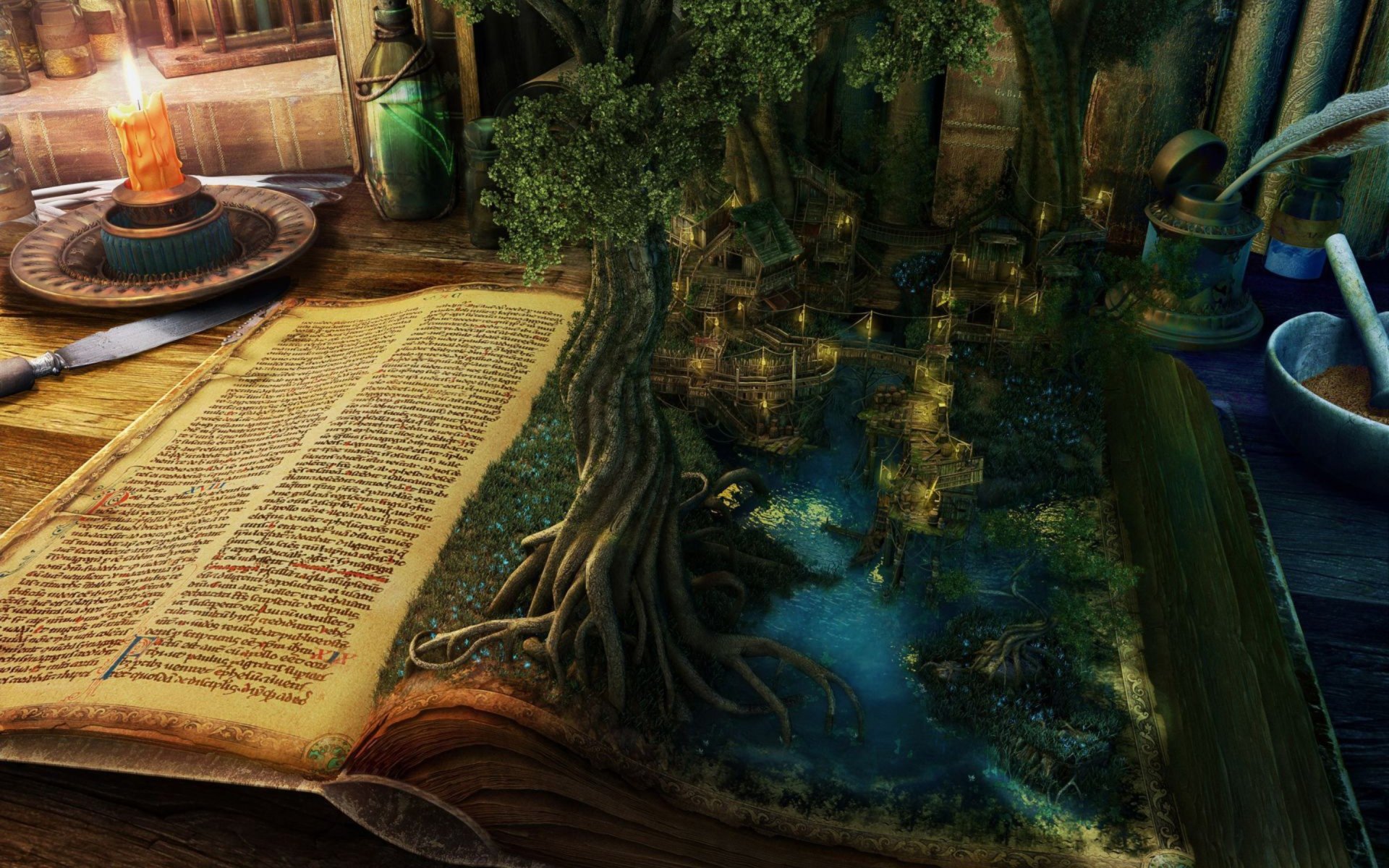 Fourth, You’ve decided how your world works, you’ve decided your characters’ places within this world, and now you have to write, write, write. I tend to give very broad outlines of my world and the inner workings; then as the characters move through the world, I bring out those specifics. My plot within the story moves very fast and at times the world building takes a back seat, but all in all the creation of the world takes place and ultimately becomes immersive.
 A Hobbits Journey