Years in the Making: A First Look at The Brothers Three Series and the Journey of Storytelling

Welcome back to A Hobbit’s Journey.

It’s been a little while since I last wrote here, but this season feels like the right time to begin again. For the past few months, I’ve felt the pull to return to this space — to share stories, reflections, and the worlds I’ve been quietly building in the background. Today begins a new chapter of writing, one I’m excited to walk with you.

If you’ve read my blog before, you know I love to explore Tolkien, myth, and the beauty of fantasy. That passion hasn’t changed. But alongside those reflections, I’ll also be sharing something very close to me: my own novel series, The Brothers Three.

Over the weeks ahead, I’ll be writing about the fantasy world I’ve been building for over eight years — the lore, the kingdoms, the songs, the villains, and the brothers at its heart. I’ll also share the process behind the words: how stories are mapped, how characters are shaped, and how world-building grows from sparks of inspiration into living, breathing realms.

This is the next step of A Hobbit’s Journey — not just reading and reflecting on fantasy, but creating it, together.


The Brothers Three Novel Series

It begins in Gallandor, the First Kingdom of Eldoria, built into the mightiest mountain in the land. For centuries, it has stood as the seat of the High King and Queen — a place of power, politics, and history. But beneath its grandeur lies a deeper truth. The mountain itself holds the sealed tomb of the Dread King, who was defeated in what the old songs call the First Sundering, a war so vast it drew every race and kingdom into its fire. The era itself is remembered as the Age of Ashes, when the world burned and nearly broke under his shadow. His body was entombed in the mountain’s depths, and Gallandor rose above it — both protector and reminder of the darkness that once sought to unmake the world.

It is here that three brothers were born together, in the same moment, under the same breath of fate. Triplets. A rarity even in our world, but in Eldoria, it is almost unheard of. Their birth sent whispers through the kingdom — whispers that destiny had not chosen one heir, but three.

Yet they were not born unmarked. Before their first cries echoed through the halls, Morgathra — the Dread King’s sister — had laid her curse upon them. Each bore a scar, etched before birth, a reminder that darkness had not forgotten.

And so their lives began not as princes in peace, but as sons of prophecy, tethered to a storm that has yet to break.


A World Called Eldoria

Their story stretches far beyond Gallandor’s mountain citadel. It unfolds across seven kingdoms, each with its own crown and song.

  • Silvermoon, hidden high in mist-shrouded mountains, where the High King’s palace glimmers faintly in the moonlight.
  • Ironclad, carved into the mountainside, its forges glowing red against the night sky.
  • Greenwood, a city grown into the colossal trees of the ancient forest, alive with torchlight and elven grace.
  • Stormwatch, clinging to jagged cliffs above a raging sea, its towers lit by lightning and battered by endless waves.
  • And others still, each carrying scars from the age of shadow, each holding secrets that will one day test the Brothers Three.

Eldoria is not merely a setting. It is a land heavy with memory. Every stone remembers the wars that came before. Every ruin whispers of glories and griefs long past. And in its silence, something stirs again.


The Spindelum of Time

At the heart of their first tale lies a relic — the Spindelum of Time.

Neither jewel nor crown, it is older than the kingdoms themselves. Some say it was forged by the Keepers. Others claim it fell from the stars. All agree on one thing: it does not serve lightly.

The Spindelum does not bend to men’s will. It tests them. To glimpse it is to see past, present, and future threaded together in fragile strands. To wield it is to risk shattering them all.

The Brothers did not seek it. But it has called to them all the same.


Songs Already Sung

And here is where the story blurs with myth. Across Eldoria, bards sing fragments of it already — not as prophecy, not as history, but as echoes.

They sing of The Forge Beneath the Veil, where fire was first kindled in darkness.
They mourn with The Whispering Wastes, where silence holds the voices of the lost.
They tell of oaths, of stars, of flames that would not kneel.

And if you’d like to hear those songs brought to life, you can. Over the last several months, I’ve been sharing them through a project called The Ambient Bard — a YouTube channel where the tales of Eldoria are sung out in bardic style, weaving lore and music together. It’s been a joy to take pieces of this world and give them voice, letting the songs of Eldoria echo outside the page.


Why I Write

Writing, for me, has always been more than words on a page. It’s an escape — a way of stepping outside the weight of the world for a while and breathing in another one. Some people find relief in music, others in long walks or painting; for me, it has always been stories.

When life has been heavy, the page has been a place to lay it down. When the world has felt too loud, the act of creating another has been quiet enough to hear myself again. Over the years, that practice of world-building, character-making, and plotting stories hasn’t just been about books — it’s been about restoration.

And that’s part of why I’m sharing it here. Not just to say “here’s my novel,” but to open the process, the joy, and the love of fantasy that’s carried me since I was a child. If you’ve ever felt that pull into a book that made you forget the clock, or if you’ve ever longed for a story that gave you space to breathe — you already know why I write.


Why This Story Matters

The Brothers Three isn’t just a book I’m writing. It’s the culmination of a lifetime of loving fantasy, of fifteen years of blogging, of eight years of world-building, character-making, and story-weaving.

It’s about brotherhood. About scars that become strength. About the fragile hope that even in a world overshadowed by darkness, light can still break through.

And maybe that’s why I want to share it here. Not because it’s finished — it isn’t. Not because it’s perfect — it won’t be. But because stories aren’t meant to be hidden. They grow brighter when they’re shared.


Looking Ahead

So what can you expect here in the weeks ahead?

  • Lore & World Building — more glimpses of Eldoria’s kingdoms, heroes, and villains.
  • Writing Reflections — behind-the-scenes looks at process, inspiration, and creativity.
  • Fantasy Explorations — my ongoing love of Tolkien and other works that shaped this journey.
  • The Brothers Three — teasers, tales, and moments as the saga continues to take shape.

This blog will be a blend of both my world and the craft of writing itself. A place where the songs, the lore, and the process meet.


Until Next Time…

This is only the beginning. In the weeks to come, I’ll be sharing more glimpses of Eldoria — its kingdoms, its heroes, its ruins, it’s shadows, and my writing process of how I look at creating a fantasy world and more.

For now, I’ll leave you with this:

The Brothers, Born as one, scarred as three, bound by the turning of time.

And a question, for you:
What draws you most to fantasy stories — the characters who carry the burden, the lore that breathes beneath the world, or the landscapes that make you long to wander?

Writing A World Of Fantasy

content-writing-typewriter-paperballs-ss-1920Doing something a little different for today’s post!  I’ve been putting a ton of time into plotting, world-building, and just getting that much needed time into writing on my novel series, so I wanted to share some fun tips I’ve learned along the way about writing in the fantasy genre.

Writing a fantasy novel is great fun – you can literally let your imagination run wild.  It’s a little different when writing a novel set in the real world as unlike books set in a reality where you can use real-life as examples, you’ll have to invent everything in your new fantasy world.  Do you enjoy writing, are you working on a fantasy novel, or have you had the notion to start one?  I hope the next few minutes while reading this helps you no matter what stage you might be in for writing a novel.

One of the best things you could do to kickstart things is to read as many classics as you can find!  No matter the type of book you begin writing this will give you a good idea about what works and what doesn’t.  Remember though that reading other people’s works is something to help with idea spawning and relax your mind.  You must take note not to simply copy the ideas you’ve read from any of the good old classics or other pieces of work you find.  If you find yourself dealing with elves, halflings, and orcs whilst being a reluctant hero on a quest to destroy a powerful item, it’s probably best to scrap it and start again. It is true that all stories are a combination of those the reader has encountered over the years. But, you should always try to find an original angle and it certainly should not be obvious what the source material was. Reading the classics will also allow you to discover how well-crafted characters interact with each other as the story progresses.

Tip 1: Use established myths and legends as the basis for your fantasy world. Think about what your fantasy world might be like.  Do your studying and find out what your world and culture are mostly like….Is it Celtic, Roman, a medieval world or a blend of multiple cultures with your own twist on it? Once you’ve chosen, go and read about the myths and legends that relate to those cultures. The mythological creatures and characters and their stories will give you a great basis for your new world.

Tip 2: Get to know your imaginary world – you need to be able to describe it in detail if you are going to convince your readers, for the duration of the book at least, that it exists. Be thorough and detail everything you can possibly imagine about the world you are creating.

  • Physical – what does your fantasy world look like? Think about and make a note of:
    • the color of the sky
    • what other planets can be seen from the surface
    • whether the air is breathable
    • what the plants look like
    • what creatures live there
    • whether there are seas
    • what the landscape looks like
    • futuristic world or something older
  • Residents – decide who lives in your newly formed fantasy world. You should spend time thinking about how they look, what they eat, how they move, whether they need sleep, how they speak to one another etc…
  • Society – what kind of society exists? Do they need money to buy things? Is there a complex system of politics they follow? Do they have a police force, a king or president? Is there a religion?
  • Special powers/magic – Do the residents have any special powers or use magic? If so, what are they and why do they exist? Does everyone have the use of them or only certain people?

Tip 3: Make your characters believable. This is one of the most essential parts of the book if you want to hook and keep readers interested in the story. A great way to achieve this is to apply logic to every character in every fantasy world you create. This means creating a set of rules that apply to the world and the character. The rules can be based on either real life or they can be simply invented by you.  Remember if you are creating the rules of the world, don’t let a BOX hold you back from being creative.  Sometimes creating our own ways is just the push we need to make that next step in our creative writing.

Tip 4: Make sure you keep careful notes of all the details you invent for your new fantasy world. This will help you maintain continuity throughout the novel. There are many ways of doing this, some writers like to have a set of cards with the details on, others set up spreadsheets; so play around with different systems to find one that suits you the best.  I personally use a book mapping chart I created in excel that helps me track all major parts of the book I need.  I hope these few steps help you get started, or give an idea of what steps to take next in writing your new fantasy novel!

Remember, have fun!! That is the first and foremost thing I can say when writing… Have Fun and lots of it!

Creating a Fantasy World & Plotting a Novel Series

BlaugustRebornLogo2018Ok, so I know this week was supposed be about generating topics for your blog that you can sustain yourself for the rest of the event.  So far I haven’t put out but one post outlining topics like this.  My brain has been focused largely on writing fantasy over the last few months and it has been hard to break out of that.  Here is what I’ve done for this post though is slap together eleven tips I’ve learned about writing fantasy and writing in general.

Have you ever asked yourself what it’s like to write a novel, or how one goes about it?  So have I, and I’ve learned that each has to find there own way of bringing the inner creative writer to paper.

I’ve been working on a novel series for several years now, upwards of the last seven years but I haven’t spent all of those years just writing.  I’ve currently finished two books in my Brothers Three series and I’m currently half way through the third book.  This is a high fantasy novel series that honestly started almost twenty years ago with a note I wrote down.  It was just an idea, and it’s morphed and changed over the years into an actual book.  One day I do hope to be a published author and will continue to strive for that dream.

One thing out of this process I learned a long time ago was planning goes a long way in being successful when plotting a story, or any thing you write.  For as long as I can remember, I’ve had a passion and love for writing, and seven almost eight years ago was when I really started pushing to one day have my material published.  Honestly, I can’t even take credit for the idea of seeking a publisher, as my wife is the one who talked me into it.

Currently I am doing a lot of character development for book three and as I said before…..it has been a lot of planning, character plotting, long nights of staring at a blank screen with nothing other then a hot cup of coffee, or twelve that gets accomplished. One might ask, after so long do you ever feel like giving up or even quitting?  The honest answer is YES and NO….yes it’s hard to find time to write when you work in another full time job, have three children, a wife, and other responsibilities that come before a hobby. At times it is frustrating when you hit a wall and have absolutely no words, direction, or even a faint hint of where you need to go next in the story you so passionately want to get finished.

The biggest thing that helps keep me grounded in the perspective of writing, is my wife and three children!  My wife continually gives me feedback on my writing, both good and sometimes BAD, and these stories were originally birthed for my children as bedtime stories.  This idea kept in mind has pulled me through frustration, and the itch to quit at times and has allowed me to plot out the first five books in the series.  Having finished two of the books so far I have noticed the light at the end of the tunnel syndrome…..and getting to see this story come to life on the pages is quite overwhelming!

So, I write all this to say, if you are a writer of whatever genre then here are some writing tips I’ve learned along the way.  These have come from my own mistakes, my successes, and even mentors I’ve had over the years of how to put things in perspective and keep yourself on track!

Evaluate the Writing Style

If you have a love for writing, then you may find yourself slave to the writing itself. Remember you are the one doing the writing, and it is possible to create a schedule that doesn’t engulf your entire life around writing.  You do have a life, so go live it!  If writing is a job you wish to pursue and have as your job in life, then dedicate time to it, learn new ways of writing, evaluate how you come about writing.  Try writing in different areas away from the home.  A change in scenery can be a world changer for a writer as it helps open the creative flow.

Getting Ideas on Paper  

Do you have some good ideas or a potential story brewing in your head?  Sit down and make sure you write those ideas out on paper.  Typically you would have a character, or character in mind and a place in which these ideas would evolve over time.  They would be centered around some major events, like a war or even someones death.  Once you have the main ideas or plot of the story written out, start asking simple questions, like, “why?” “when did this happen?” “how?” and move onto more detailed questions like, “How did this affect the lands?” “Who is to take blame for this event?” etc…. Once you have these ideas sorted out, pass them onto a friend, fellow writer, etc to pick apart and ask them for a honest opinion.  In the end, this process can help you determine the the major plot lines of the story, where will the main focus of characters and development be, and even sub-plot lines.  All these things added together help you make the story become whole.

Making Your World and Places Come to Life

Where will your fantasy creations live? Is this a made up world that you’ve created, or is this some parallel universe with mystical creatures full of big tales to be told?  There are absolutely no limits on what the imagination can create.  Decide what places your story will be centered around and take into note the previous of letting another review your ideas. Go into detail when creating your world….the races, animals, plants, rivers, lakes, you name it and make sure you list it.

Keep a Notebook and Write it All Down

Never ever leave the house without your notebook.  You never know when you will have this amazing idea pop into your head for the fantasy novel to come.  Write it all down: Your main character, the major events, the kind of world it is, you name it, because all these ideas will come together and firm the story up.  Trust me it’s awful to have this fantastic idea pop into your head and find that you have absolutely nothing to write it down on.

Don’t Be Afraid to Change Things 

Always, Always, Always, take a look at the major underlying plot that everything centers around. Make sure that everything you’ve created centers around this plot because it’s easy to wonder off into a wild rabbit hole. Look at the major event or events and don’t be afraid to mold it, change it, as you have to make this event believable to the readers.  This is what your entire novel hinges on and if the plot line doesn’t make sense, or doesn’t hold the readers attention… well… I think we know what happens next.  Work on other characters who help build the plot line and your protagonist on his/her journey. Not every hero needs to be a loner and he/she could vary in anyway you want.  They may have a family, they may be cold at heart and emotionless until someone comes along they care about.  You name it! Don’t make your story revolve only around your character. Show the feelings of the people around your protagonist and how their decisions affect them. Don’t make a story of one person; make a story about the journey of one person.  Learn how to join sub plots and other events to the major plot line. These could be a birth of a child, or as in my book the birth of multiple children based around a prophecy.  These events will cause your story to have a sense of feeling, emotion, and building that brings the reader closer to the characters and story.  Make sure your characters grow over time in the stories, as the experiences should help mold and make them into who they are to become. After pulling things together, don’t be afraid to make changes (subtle or drastic) to your characters, and story. Make obstacles in your character’s life. Not everything will be easy for him/her. Make sure you’re writing a fantasy novel, not a walk in the park that becomes boring to read.

Creating Your Visual Fantasy World 

This is one of my favorite things to do in bringing a story to a visual understanding!  Grab a piece of paper and a pencil. It’s time to start drawing out what you see in your head. Do a ton of research on land, rivers, map creation etc… If you’re planning to build a world from root, start drawing simple lines. You can make seas, oceans, lakes, mountains, and other strange factors in your world. Draw the lines of kingdom’s lands and empires. Put post-its and other notes on your map to locate some events. Remember: your map doesn’t have to be well made. Be free to use any materials you like, and have fun!

Deep Rooted History 

Do you plan on having a deep history and timeline in your story? Plot out a chronology of your story as this could help aid the reader and bring them closer to the events going on. Plot out the events that appear in your book, or just stories of other events that will indirectly explain the ones in your plot. Don’t think it’s a waste of time to build a world which, for the most part, won’t appear in the book. It’s important for the reader to know that the writer knows what he’s talking about and isn’t putting random things on the pages of his/her book. Make your characters tell a legend or mention some event that you have carefully planned out. As the writer, you have to know something that the reader’s don’t….and always make sure you know what you’re talking about.

Character Development 

Make sure you know the main character or characters, don’t just make a place holder in the story with a random name laying on the pages.  Plan everything about your character. This is where you put some deep well thought out time and attention into the story. Does he/she have fears (death, darkness)? Where/when was he/she born? Under which circumstances? Do they have siblings? Do they have someone they love? Be free as this is your story!

Things About your World 

Remember that chronology planning you read about earlier?  Not it’s time to take it a step further…. Be as detailed as you possibly can with the imagination you have!  What kind of homes do people live in? Jobs? Types of clothing? Government systems? Do they have schools, or some type of training grounds soldiers are sent to? Family bloodlines that rule the kingdoms, is there magic in the land, or some dark evil threatening the lands?  Can women fight in war too, or is it only for men? Are there any fantasy creatures roaming the lands? Don’t leave anything out as this will probably be the biggest step in your story. The base will be here. Everything you’ll come up with needs to be here. Don’t worry if you’re taking too long writing everything out. A good story needs to have a solid foundation that covers every base you could think of.

Plotting and Planning

This is one of the most time consuming and sometimes frustrating step in the process. Making the chapters of your story, and tying everything into itself. Define what kind of writer you will be. What will be the length of your chapters and book or books? Will you write in third or first person or take on the challenge of both?  Will you describe your characters and surroundings to make the story more personal to the reader, will you not care and just want to make an epic legend? This is one of those steps you can’t be afraid to change and touch multiple times, and sometimes with a very critical eye!  Reverse the roles at times and look at it from a readers standpoint!  I think I have spent more time plotting my books out then writing the stories and honestly that is what makes for a deep and rich story.  I spent the first few moths plotting out a simple book chart that lists (Years, Major Plot, Minor Plot, Characters, Etc…)  It is my go to before I ever even think of writing at times. Remember don’t be afraid to create, change, and plan!

Let Others Review 

Don’t forget to reach out to others and let them read your work. Print out your finished product and hand out multiple copies to people who may enjoy reading your novel. It can be a few close friends at first, but once you start getting feedback and start building confidence, you might want to consider trying to publish.  Accept any criticisms, good and bad as they will make you a better writer in the future. Fix anything that your editor tells you. Believe that you can be published if you put your mind to it, but try not to hope too strongly for your book to be published, since you could end up very depressed if all doesn’t go to plan. If your work is rejected by one editor, edit the story or send it to a different publisher.  Remember what drives you to write, and don’t lose sight of why you love doing this.  It’s easy to see the light at the end of the tunnel and get caught up in the moment of a job, instead of the passion for writing!

Creating the Inner Workings of a Fantasy Novel

BlaugustRebornLogo2018

I’m doing something a little different again for today’s Blaugust post!  Personally I have been writing a ton on my own novel series, and I wanted to share some fun tips I’ve learned along the way about writing in the fantasy genre.

Writing a fantasy novel is great fun – you can literally let your imagination run wild.  It’s a little different when writing a novel set in the real world as unlike books set in reality where you can use real life as examples, you’ll have to invent everything in your new fantasy world.  Do you enjoy writing, are you working on a fantasy novel, or have you had the notion to start one?  I hope the next few minutes while reading this helps you no matter what stage you might be in for writing a novel.

One of the best things you could do to kickstart things is read as many classics as you can find!  No matter the type of book you begin writing this will give you a good idea about what works and what doesn’t.  Remember though that reading other peoples works is something to help with idea spawning and relax your mind.  You must take note not to simply copy the ideas you’ve read from any of the good old classics or other pieces of work you find.  If you find yourself dealing with elves, half-lings and orcs whilst being a reluctant hero on a quest to destroy a powerful item, it’s probably best to scrap it and start again. It is true that all stories are a combination of those the reader has encountered over the years. But, you should always try to find an original angle and it certainly should not be obvious what the source material was. Reading the classics will also allow you to discover how well-crafted characters interact with each other as the story progresses.

Tip 1: Use established myths and legends as the basis for your fantasy world. Think about what your fantasy world might be like.  Do your studying and find out what your world and culture is most like….Is it Celtic, Roman, a medieval world or a blend of multiple cultures with your own twist on it? Once you’ve chosen, go and read about the myths and legends that relate to those cultures. The mythological creatures and characters and their stories will give you a great basis for your new world.

Tip 2: Get to know your imaginary world – you need to be able to describe it in detail if you are going to convince your readers, for the duration of the book at least, that it exists. Be thorough and detail everything you can possibly imagine about the world you are creating.

  • Physical – what does your fantasy world look like? Think about and make a note of:
    • the colour of the sky
    • what other planets can be seen from the surface
    • whether the air is breathable
    • what the plants look like
    • what creatures live there
    • whether there are seas
    • what the landscape looks like
    • futuristic world or something older
  • Residents – decide who lives in your newly formed fantasy world. You should spend time thinking about how they look, what they eat, how they move, whether they need sleep, how they speak to one another etc…
  • Society – what kind of society exists? Do they need money to buy things? Is there a complex system of politics they follow? Do they have a police force, a king or president? Is there a religion?
  • Special powers/magic – Do the residents have any special powers or use magic? If so, what are they and why do they exist? Does everyone have use of them or only certain people?

Tip 3: Make your characters believable. This is one of the most essential parts of the book if you want to hook and keep readers interested in the story. A great way to achieve this is to apply logic to every character in every fantasy world you create. This means creating a set of rules that apply to the world and the character. The rules can be based on either real life or they can be simply invented by you.  Remember if you are creating the rules of the world, don’t let a BOX hold you back from being creative.  Sometimes creating our own ways is just the push we need to make that next step in our creative writing.

Tip 4: Make sure you keep careful notes of all the details you invent for your new fantasy world. This will help you maintain continuity throughout the novel. There are many ways of doing this, some writers like to have a set of cards with the details on, others set up spreadsheets; so play around with different systems to find one that suits you the best.  I personally use a book mapping chart I created in excel that helps me track all major parts of the book I need.  I hope these few steps help you get started, or give an idea of what steps to take next in writing your new fantasy novel!

Remember, have fun!! That is the first and foremost thing I can say when writing… Have Fun and lots of it!

A Fantasy Writers Process

tumblr_static_tumblr_static_4eo5pzujbwcg8gws0gcc8oc0s_focused_v3.jpgIt’s hard to start writing a niche genre like fantasy when you’ve got the passion for it, but no idea where to start! Maybe you have an idea, but you’re afraid to take the first step because you’re afraid of failing. While the writing process is frustrating and yes, your story may not work out, but if you do your research and work hard, you will find yourself creating an unbelievable story with a world you can mold to your liking.  It’s going to take a lot of patience, will-power to push through tough areas, and learning a few tips along the way from fellow writers.

This is my “Where Do I Start List” on the most important parts of the writing process that I use all the time.  None of these steps are chiseled in stone by any means but these are all tips / tricks I’ve learned over the years….and taken the good advice of better writers who helped me along my journey.

1. Write down EVERY SINGLE IDEA you have!  When writing a novel it doesn’t matter how silly an idea may sound, you thought of it for a reason so write it down.  These ideas can always stem into another and cause creativity and imagination to be boosted.  Plus this is a great way to keep track of the “Idea Process” which is how you personally pop out ideas.

When writing ideas down it could be as simple as (random word here) or it could be a bit more complex and you take it a step further.  Try something like this below and see if it helps with creating new ideas.

  • “Maybe (insert random name here) came across a clue (insert random stuff here) and discovered a great secret.”
  • “Should (name) be a knight or a king, or just some (random person in the story?)”
  • Keep track of how you use ideas and organize them.  See my post on mind mapping a novel to get some ideas of what to use and how to use this method.

2. Look at the setting of a story first before anything.  If you are a fantasy writer like me, then I’m sure you’ve spent a good bit of time doing this already.  Remember this is your story and you can make it however you like, but it’s always a good thought to look at other writers and see what imaginative thing they’ve come up with.  Does your world rely on magic, or maybe it’s inspired by a real place and you’ve put a twist on it.  Depending on what you choose, your characters must reflect the cultures and upbringing in this world. My novel is set in a fictional world but still close to home with traces of European cultures with kings, queens, monsters, tall tales, and hero’s alike.

3. Character development is an absolute must!!!! Make sure you take your time and plot out each character…give them some love as I’ve seen to many times where a story could have been great but the characters were very underdeveloped and it ruined the story. Pay close attention to those minor characters in the book because they can become key to a great story.  Take a look at a post I did on writing minor characters.

4. Character Names have to tie into the cultures you use in the story.  Think about that for a second as this can go a lot of different ways.  Do you have a made up language like Tolkien, or maybe you’ve pulled from Greek mythology, or just classic names from different cultures.  Most of my book I’ve created comes from a European background with a lot of made up in between.

5. Make a timeline because this helps keep everything consistent throughout the story, especially if you use days/weeks/months in your story. This will also allow you to go into accurate detail about places, seasons, weather, people etc.  My book i’m currently working on, Brothers Three, ranges over the course of a 10 year period for the main story.  This story begins with the birth of three brothers who were separated at birth to disguise who they really were, but picks up when the boys are 10.  The story begins on a spring morning, so I made sure to describe the temperature and what the “Spring” season was like which also affected the terrains and landscapes of course. Always make sure to keep in mind the time of year and how long time has passed in your story so that it’s consistent. A timeline also helps with events leading up to your main story. Every major event in the story, whether it actually occurs during the present or not, should be recorded on the timeline. If something major happened to a character in the past, it should be recorded. If something major happens before a main character is born, record their birth-date on the timeline.  I don’t want to give any spoilers away for my book so I didn’t want to share my timeline but one day in future posts I hope to share that process.

6. Make an outline of your entire plot. Some people argue against this process as there are authors who just write great work as they go along, but in my opinion making an outline worked great for me.  Your timeline you created can help a great deal with creating the outline as you should be keeping track of all major plot points and how they roll across chapters, major / minor characters, minor plots, climaxes, etc.

7. Editing, Editing, Editing!  Once you’ve typed out your manuscript, edit it yourself into multiple drafts….Why? Because you don’t want to lose the thing for one, and you are going to butcher this thing when editing it.  I would take a few chapters at a time, print them out, and use a colored pen (I prefer red or blue) but any color you choose will work to cross out, change words, or fix punctuation. It definitely helped me to have a thesaurus and grammar book for quick reference as well.
These are the main points I like to use when writing and getting things ready to edit. Everyone is different and each has their own methods they will develop and enjoy to use. These are mine and I hope they might work for you on the writing journey.  Good luck to all of you with your own writing adventures!

Writing Fantasy – Do’s & Dont’s

writing-a-bookFantasy is a fun genre of fiction that uses magic or other supernatural elements as a main plot element, theme, or setting. Many works within the genre take place in imaginary worlds where magic and magical creatures are common. Fantasy is generally set apart and crosses paths with science fiction and horror as they all three have sub-genres in the fiction world.
Fantasy is one of those genre’s made up of many creative things and frequently includes elements from the Middle Ages.  Most fantasy is adventure based, with a conflict between good and evil which is usually the common theme of plot.  When you here fantasy you probably think of things like wizards, elves, magic, etc…Fantasy is often based on myths, legends, and folklore, that could stem across multiple cultures.

If you’ve thrown around the idea of writing fantasy then here are a few things to do.  

  • Read a lot of fiction in the fantasy, science fiction, and horror genre’s. Soak up as much as you can about the way the books flow, plot layouts, structure, etc.
  • Do the real world research on any folklore, culture, and traditions those era’s had you want to pull into the book.
  • Ask questions, find writing mentors, learn new ways to bring an idea to the page.
  • If you are setting your story in medieval times or using elements from those times, research medieval life in the real world.
  • Plan your fantasy worlds before you start, figure out all the details you want the readers to know about.  This will help you during the writing process as it will become more natural and eliminate any doubt you might have on the topics.
  • Set limits for your world and hero / heroine of the world, as this creates obstacles within the story for readers to be evolved with and helps get to know the world.
  • Bring your fantasy to life with lots of detail.  Give the readers a chance to meet everyone in the book, and make them feel at home like they are actually in the world you are describing.

Here are a few things not to do when writing fantasy. 

  • Don’t disclose everything you know about the fantasy world you’ve made.  The planning you do up front is for you to make sure the story is told correctly, but that doesn’t mean that every detail you write needs to make it to the book.  All the prep you do up front will give the readers something real to look forward to and enjoy. Give the readers some play room with things that you know about the world but they don’t yet.  Let them come up with there own ideas and conclusions about a specific personality of a person, or maybe a place in the book.
  • Don’t break the rules of the world that you have planned.  This in a way will give the readers a false sense of reading and make them feel cheated like what your telling isn’t worth the time for them to read it anymore.
  • Don’t copy people, places, things from other fantasy authors.  Use your imagination to create this magical universe you want the readers to be a part of.
  • Don’t lose track of the story and where you are at with it. Map the book out, the ideas, and all the fun details you get throughout the days while prepping to write.  It’s fun to create worlds with magical tales to tell but don’t get so caught up with the tiny details that you forget to create the main plot of the story.
  • Don’t forget to save MULTIPLE copies of this story and the details, along with any planning materials you have along the way.  You don’t want to lose that work and not have a backup to revert to.

Mind Mapping a Novel

Writers-Block

Are you struggling to start your book?  I struggled with this idea for a long time before I dove into the deep end of the writing pool, and then when I dove in it was a bit overwhelming and at times felt I was drowning.

Many people don’t write books because they simply don’t know how to start.  They possess an idea for a book, but they don’t know what to do with it. They can’t imagine how they get from initial idea to finished manuscript which isn’t a small feat at all so don’t think I’m playing this down.

It wasn’t until I began using the “Brain Dump” method to get my ideas that were just floating around that space in my head, to the paper so I could have a visual.  Some call this mind mapping, but for me this is just an old fashioned Brain Dump.  Whatever you like to call it doesn’t really matter, just the methodology and way it’s used. Brain dumping will take you from a few grand book ideas, to a detailed book outline you can work from to make a manuscript.  This ultimately becomes the go to place for when you need a guide to take you from start to finish of this novel you’ve dived into.

It’s funny how our brains work as we have an analytical and creative side, so mapping those ideas out for a book when thinking about that can be tough.  Basically mind mapping allows you to bring the two sides of your brain together in one location so that all the thoughts and information are easily visual and accessible. Once you’ve learned how to wrangle those thoughts it’s time to take a look at the actual brain dump.  This is the point where the thought has to become a reality.  So….how do you make the brain dump happen?

Well multiple ways, but my favorites are using a large white board to map out my ideas and plot pieces of story together.  My journal is always a go to, though lately it’s littered with sticky notes from ideas I need to go back and form into the story section I need it in.  Another favorite is the sticky note and poster board which is always fun for me as you get to move the sticky notes around and write on the poster board as well.  Maybe this is a super writing nerd kinda thing, but this is very relaxing and enjoyable for me and that’s why i’m writing this post.  I’m hoping this sparks some ideas for you as well and lights a fire so you can get to moving on that great book idea you have.

Think of the brain like this and hopefully it will help you picture what needs to happen.

Brain Dump Process

  • Creative Right Brain is where the ideas flow from and all the magic happens.  The fun stuff clicks on this side of the brain.
  • Analytical Left Brain is where the organization of all that creative material you just dumped to the paper happens.  This is where the structure of the book comes from and where your – table of contents, and outline of the book will look like.

If you’ve lined everything out and keep a good record of the book and use this process then you can produce some very detailed information and great chapter outlines for your book.

Now let’s look back at the Sticky Notes and how they will help you map this book out. This is the easiest way to make a mind map of your book.

My Favorite Brain Dump Process:

  • Grab yourself a large poster board or poster boards, or even a large white board will work. Get yourself a big stack of sticky notes….multi colored is what I like to use as I color coordinate topics to specific colors.
  • Take a single sticky note in the middle of the poster board and write your topic on it, or a book title, just depending on what you are working on.
  • Write all the related topics you can think of on sticky notes and place them anywhere on the poster board.  Sounds like chaos I know, but don’t worry about where you place them , or  about organizing them, unless you are absolutely sure the topics relate to one another.
  • Fill the board with as many topics as you can possibly think of as this is the “Brain Dump” phase and when you think you’re done, look again as you will more than likely come up with more topics after taking a break, or a step back.
  • At this point I like to take a picture of the board for reference purposes in case I have to take a break or get pulled away for something.  They are called sticky notes, not permanently held in spot notes.
  • Ok now comes the organization of the topics.  The analytical side of the brain is ready to be worked right? Look for related topics. Pick up the notes and move them around. Take a close look at what you have grouped together as they just might become the chapters of your book. More than likely, this will be the groups with the most information lumped together.  Just remember this is your book and your board so move things around how you feel fits best, and don’t be afraid to break apart groups into multiple chapters if one is too large. Just make sure you use a different colored sticky note to mark that chapter and don’t forget to name the chapter.
  • Use each of the sticky notes you have grouped together under a chapter as a sub-topic that you want to write about in that chapter.  This is where the fun begins as writing guides and book maps are a must at this point.  Sub-plots of a story can make things confusing if you don’t.


Ok now get ready to write as it’s going to take a lot to get that story from your head to paper so what are you waiting for?  Sit down, start slow, think it out and enjoy the process of making that next best book anyone has ever read!

Newbie Blogger Initiative 2016 – Cartography of a Fantasy World

1464077259935


See, you can post about anything for

I wanted to do something different this morning and take a look at map making!!!  Didn’t you ever draw a secret treasure map when you were a kid?  Map making is fun but it can be a huge challenge and pain point for writers who want to depict their world to the audience.

Technically I’m wrong in calling it “Map Making” which I pulled this from the definition off of Wikipedia.

“Cartography (from Greek χάρτης khartēs, “map”; and γράφειν graphein, “write”) is the study and practice of making maps. Combining science, aesthetics, and technique, cartography builds on the premise that reality can be modeled in ways that communicate spatial information effectively”

Personally I’ve always enjoyed making maps for any of the stories I’ve written but that doesn’t mean I didn’t have frustrations that came along while making them.  Creating a map for a fictional world is one of the most satisfying things you can do, as it gives you a greater idea and visual reference to what your world really looks like.  All those ideas floating around in your head about this magical world is only a pen and paper away. Creating a map on paper is one of the best ways for a writer to connect to their world as it allows you to see the geography of the land, and best thing is it’s yours so customize how you see fit.

I’m not a published writer “Yet” but that is something I am diligently working on as I have a fantasy novel series that’s in the making. This epic story is currently four years in the works and map making has been a huge piece of depicting this piece of fantasy.  The worst part about writing when you have a map for reference is when you go back and realize you’ve missed a great detail of location specifics in the story.  It’s one of those oops moments you get when writing and the questions begin to pop about why didn’t I look at this closer, or why did I write location A when it really should have been location B the war took place.

Frequent reference to your map can be one of the greatest tools in the bag for you as a writer.  Stumped on where your hero was supposed to end up, check the map and maybe it will turn a flickering light bulb into a bright spotlight of an idea.  The uses for a map from a writers perspective are to help bring the story to life, and give the geography of what you have in your head a visual presence for you and the reader.

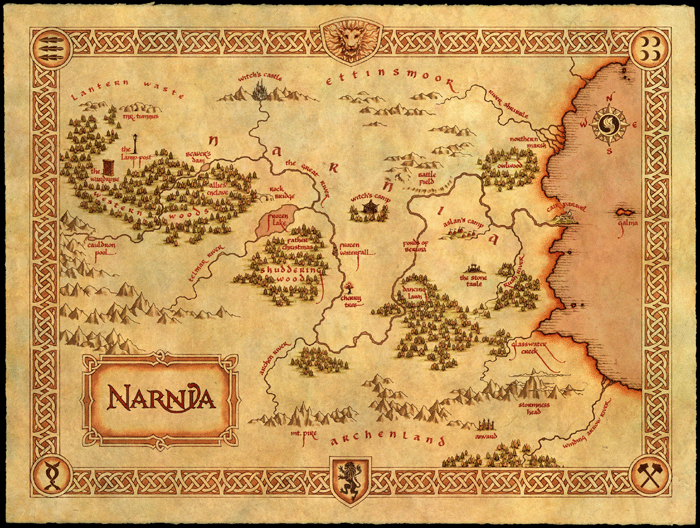
Mapping a world isn’t a set style and there really isn’t anything you can do that is wrong or would break some hidden rule of map making.  Take a look at the visual style of the following map.  Probably one of the most famous fantasy worlds ever created to date.

middleearth.jpg

I don’t think their will ever be another world quite like what Tolkien created with Middle Earth, but that’s not to say we can’t get some inspiration off of the beautiful world he created.

Another famous author and amazing story with a vast beautiful map is Narnia.  Both C.S Lewis and Tolkien had grand creative minds and each with their own flair for map making.

Map-of-Narnia-cs-lewis-1434807-700-528

Now a quick look at a rough draft for one of my maps I created.  It’s nowhere finished and doesn’t have the flare or prestige either of the maps above do.  The world I’m creating is for the novel series I spoke about earlier.

This is the first time I’ve ever let anyone look at one of the early rough drafts of one of my maps.  This one is still in the works and it’s ever changing at times with new places and grows as I continue to write this novel.

Welcome to Ardonia – The main world of my novel series Brothers Three

Map (2)


How do I get started map making…..?

  • Have fun and CREATE
    • First and foremost have fun with it and allow it to be something that sparks creativity for you and your story.  Don’t let it become a burden or you will be overwhelmed and quit pretty quickly through frustration.  It’s easy to try and be a perfectionist when creating a map for anything so don’t be afraid to have multiple versions, drafts, copies, and let the map be something that could continually grow and change just as a real world does.
  • Take Risks
    • Don’t be afraid to develop something that doesn’t work the first time around.  Remember things have a natural process for development and as you write and grow the story, your map may continue to grow with it.  Don’t get stuck in one style of box….have a bunch of them and hop in and out whenever you want.
  • Create the Foundation
    • Every world has a center of attention.  What is your’s?  What are the major cities, towns, and locations on your map?  You have to start somewhere so why not start with a basic list of cities and towns.
  • Land Development & Growth
    • Anything you create will always be a work in progress of sorts.  As I mentioned above the land mass you create will have a natural development process and a free flow but you have to allow for that space and development to happen.  Have some places in your world that aren’t mapped out per say….maybe it’s a discovery point later on in the story and a new map get’s released. Just sayin.
  • Features of the World
    • This is a very complex piece of map making, as you not only have to think about the geography of the land, but the type of surroundings, climate, cultures, race of inhabitants etc.  Do you have a town with a unique culture that stands out from the rest, or maybe a deserted location locked away with dark secrets.  The possibilities are limitless of how you carve the land and features of this world.


Have fun creating your world and enjoy the development of how the characters of the story interact with their surroundings. Go checkout some of your favorite fantasy / sci-fi novels and begin to explore their worlds as it will help you get a perspective of what to do for your map.


Writing & Building a Fantasy World

8da509b65cfd623939820230f39dc6d9As with most things in writing, there are a lot of ways to build a world well, and a lot more ways to do it poorly.  First, let me start with the fact that I am still working on my first novel series, and the world building early on became overwhelming.  This is no one’s fault except mine as I rushed into a very large project that at the time I wasn’t quite ready to tackle yet.  Many years of writing short fantasy / sci-fi stories, and personal blogging gave me the feeling I was ready to take on a novel of epic proportions.  Ultimately, I’ve loved every minute of this writing journey I’ve ventured into as it’s helped me grow as a writer, and building worlds was a huge step into the creative for me.  These few paragraphs are  just some of the tips and tricks I’ve learned a long the way to make world building easier, and more enjoyable.

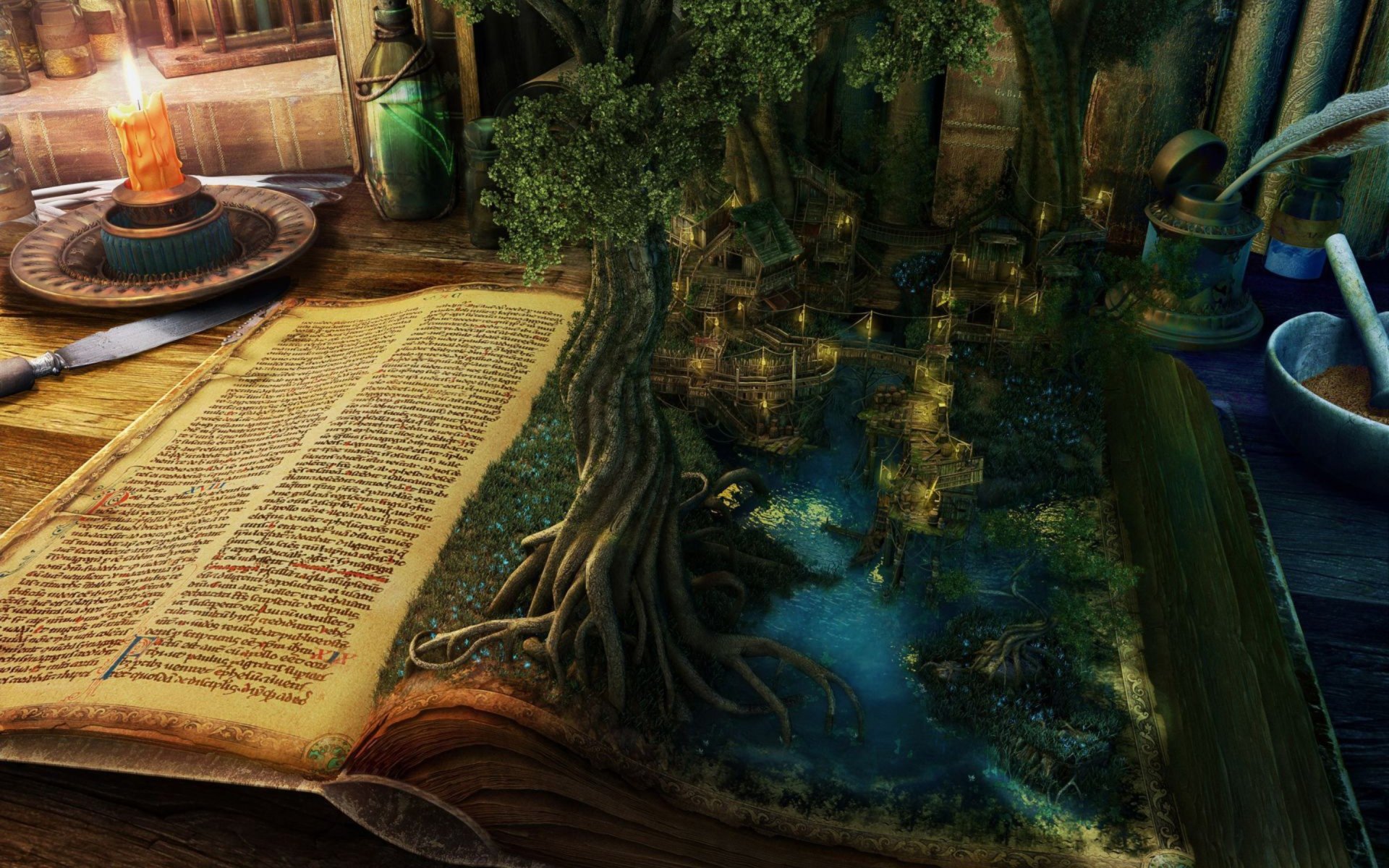
When looking at the world you want to build think of it along these two lines: first, you need to establish what you know about the world.  Start looking at everything the world needs to have….Does the world have technology based on some time period we currently have or seen?  Does this world fit into a specific time period that we already know?  Maybe it’s set in the colonial age, or maybe some time period we’ve never even seen before. If you’re setting your world into a specific time period, you can answer a lot of questions for yourself as we have the history to study on it. The more different you make your world than any culture in earth’s history, the more challenging it is both for you as a writer and for your readers to imagine.

sb10067155f-001

Secondly, you’re going to have to think about how the world works which is where the writing gets fun!  This portion of the story creation is where you let the imagination run wild most of the times!  This is where you get to ask the big questions: Does this world have magic in it? What are the economic systems in this world? What kind of ruler or rulers will you have in this world? See, the fantastic thing about writing fantasy is that you can make up almost anything you want – as long as it makes sense and can be explained to some degree. If your world feels too weird, it will be hard for your readers to buy into what you’ve created. So in some ways, the weirder you make things, the more you have to make sure that readers see that your characters experience these weird things as normal everyday living. Think of the most normal objections readers would have to the weird things in your world, and don’t be afraid to confront them head on within the story.

So looking back at our first line of thinking, you really need to make a big decision of how this world actually works and functions.  Brain power is all this takes, along with gallons of coffee, and caffeine!  Really though, this just takes some time and deep thought, but coffee just goes well with that process!  It may take some serious study, as you look into how societies operated. Or it may just take time thinking. Whatever it is, you want to have the broad outlines of how people interact in your world figured out and settled. Secondly, you can look at layering other cultures into the story and process of how the world functions.   Does the kingdom next door have no nobility? Or not believe in magic, or believe in whatever you want really. This can get very mind-boggling though but if you are willing then go for it. Basically, there’s a lot of hard work here, and none of it will show up on the page. At least, none of it will show up as extra words that you write.

Third, do things out of the box and differently.  Don’t just copy some great authors ideas down and try to copy what they’ve created.  They became great writers and created those worlds because they did just that, thought differently and outside of the box. This will make your world more interesting. Doing things differently from what you’ve always seen is a good habit to trait and continue to cultivate that as a writer.

writing-fantasy-1920x1200Fourth, You’ve decided how your world works, you’ve decided your characters’ places within this world, and now you have to write, write, write. I tend to give very broad outlines of my world and the inner workings; then as the characters move through the world, I bring out those specifics.  My plot within the story moves very fast and at times the world building takes a back seat, but all in all the creation of the world takes place and ultimately becomes immersive.

Fifth, the greatest thing about world building is it’s your imagination and it’s not limited to a keyboard, or whatever walls you dwell in while writing.  Whatever you find fascinating and want to pursue for your book, go after it with vigor and don’t let anyone tell you otherwise.  Whatever you find fascinating, can make your book stand out from every other book that has ever been written – as long as you make it fascinating to the readers.  Most of the times this is an easy task as you know what you like, and what draws you to enjoyment while reading.  If you find something your passionate about it is extremely easy to communicate that as it’s just that a PASSION!  Just remember take care to communicate with the readers.  If you can do that within the flow of the plot and overall book, they will more than likely enjoy and love what you’ve written.

Don’t let building a world of fantasy be something to constrain your imagination, instead let it be the freedom you enjoy while writing what you love!

scr.ee tags:

#fantasyworlds

The Journey of Writing a Fantasy Novel

chapter 1Have you ever asked yourself what it’s like to write a novel, or how one goes about it?  So have I, and I’ve learned that each has to find there own way of bringing the inner creative writer to paper.

I’ve been working on a book series for several years now, almost four to be exact, but I haven’t spent the entire four years just writing.  I learned a long time ago planning goes a long way in being successful when plotting a story, or any thing you write.  For as long as I can remember, I’ve had a passion and love for writing, but it wasn’t until a few years ago I even thought about trying to get any of my material published.  Honestly, I can’t even take credit for the idea of seeking a publisher, as my wife is the one who has talked me into it.

Currently I am working on book one in a series that I started years ago and as I said before….it has been a lot of planning, character plotting, long nights of staring at a blank screen with nothing other then a hot cup of coffee, or twelve that gets accomplished.  One might ask, after so long do you ever feel like giving up or even quitting?  The honest answer is YES and NO….yes it’s hard to find time to write when you work in another full time job, have three children, a wife, and other responsibilities that come before a hobby.  At times it is frustrating when you hit a wall and have absolutely no words, direction, or even a faint hint of where you need to go next in the story you so passionately want to get finished.

The biggest thing that helps keep me grounded in the perspective of writing, is my wife and three children!  My wife continually gives me feedback on my writing, both good and sometimes BAD, and these stories were originally birthed for my children as bedtime stories.  This idea kept in mind has pulled me through frustration, and the itch to quit at times and has allowed me to plot out the first five books in the series.  Having almost finished the first book I have noticed the light at the end of the tunnel syndrome…..and getting to see ones story come to life on the pages is quite overwhelming!

So, I write all this to say, if you are a writer of whatever genre then here are some writing tips I’ve learned along the way.  These have come from my own mistakes, my successes, and even mentors I’ve had over the years of how to put things in perspective and keep yourself on track!

Evaluate the Writing Style

If you have a love for writing, then you may find yourself slave to the writing itself. Remember you are the one doing the writing, and it is possible to create a schedule that doesn’t engulf your entire life around writing.  You do have a life, so go live it!  If writing is a job you wish to pursue and have as your job in life, then dedicate time to it, learn new ways of writing, evaluate how you come about writing.  Try writing in different areas away from the home.  A change in scenery can be a world changer for a writer as it helps open the creative flow.

Getting Ideas on Paper  

Do you have some good ideas or a potential story brewing in your head?  Sit down and make sure you write those ideas out on paper.  Typically you would have a character, or character in mind and a place in which these ideas would evolve over time.  They would be centered around some major events, like a war or even someones death.  Once you have the main ideas or plot of the story written out, start asking simple questions, like, “why?” “when did this happen?” “how?” and move onto more detailed questions like, “How did this affect the lands?” “Who is to take blame for this event?” etc…. Once you have these ideas sorted out, pass them onto a friend, fellow writer, etc to pick apart and ask them for a honest opinion.  In the end, this process can help you determine the the major plot lines of the story, where will the main focus of characters and development be, and even sub-plot lines.  All these things added together help you make the story become whole.

World and Places Come to Life

Where will your fantasy creations live? Is this a made up world that you’ve created, or is this some parallel universe with mystical creatures full of big tales to be told?  There are absolutely no limits on what the imagination can create.  Decide what places your story will be centered around and take into note the previous of letting another review your ideas. Go into detail when creating your world….the races, animals, plants, rivers, lakes, you name it and make sure you list it.

Keep a Notebook and Write it All Down

Never ever leave the house without your notebook.  You never know when you will have this amazing idea pop into your head for the fantasy novel to come.  Write it all down: Your main character, the major events, the kind of world it is, you name it, because all these ideas will come together and firm the story up.  Trust me it’s awful to have this fantastic idea pop into your head and find that you have absolutely nothing to write it down on.

Don’t Be Afraid to Change Things 

Always, Always, Always, take a look at the major underlying plot that everything centers around. Make sure that everything you’ve created centers around this plot because it’s easy to wonder off into a wild rabbit hole. Look at the major event or events and don’t be afraid to mold it, change it, as you have to make this event believable to the readers.  This is what your entire novel hinges on and if the plot line doesn’t make sense, or doesn’t hold the readers attention… well… I think we know what happens next.  Work on other characters who help build the plot line and your protagonist on his/her journey. Not every hero needs to be a loner and he/she could vary in anyway you want.  They may have a family, they may be cold at heart and emotionless until someone comes along they care about.  You name it! Don’t make your story revolve only around your character. Show the feelings of the people around your protagonist and how their decisions affect them. Don’t make a story of one person; make a story about the journey of one person.  Learn how to join sub plots and other events to the major plot line. These could be a birth of a child, or as in my book the birth of multiple children based around a prophecy.  These events will cause your story to have a sense of feeling, emotion, and building that brings the reader closer to the characters and story.  Make sure your characters grow over time in the stories, as the experiences should help mold and make them into who they are to become. After pulling things together, don’t be afraid to make changes (subtle or drastic) to your characters, and story. Make obstacles in your character’s life. Not everything will be easy for him/her. Make sure you’re writing a fantasy novel, not a walk in the park that becomes boring to read.

Creating Your Visual Fantasy World 

This is one of my favorite things to do in bringing a story to a visual understanding!  Grab a piece of paper and a pencil. It’s time to start drawing out what you see in your head. Do a ton of research on land, rivers, map creation etc… If you’re planning to build a world from root, start drawing simple lines. You can make seas, oceans, lakes, mountains, and other strange factors in your world. Draw the lines of kingdom’s lands and empires. Put post-its and other notes on your map to locate some events. Remember: your map doesn’t have to be well made. Be free to use any materials you like, and have fun!

Deep Rooted History 

Do you plan on having a deep history and timeline in your story? Plot out a chronology of your story as this could help aid the reader and bring them closer to the events going on. Plot out the events that appear in your book, or just stories of other events that will indirectly explain the ones in your plot. Don’t think it’s a waste of time to build a world which, for the most part, won’t appear in the book. It’s important for the reader to know that the writer knows what he’s talking about and isn’t putting random things on the pages of his/her book. Make your characters tell a legend or mention some event that you have carefully planned out. As the writer, you have to know something that the reader’s don’t….and always make sure you know what you’re talking about.

Character Development 

Make sure you know the main character or characters, don’t just make a place holder in the story with a random name laying on the pages.  Plan everything about your character. This is where you put some deep well thought out time and attention into the story. Does he/she have fears (death, darkness)? Where/when was he/she born? Under which circumstances? Do they have siblings? Do they have someone they love? Be free as this is your story!

Things About your World 

Remember that chronology planning you read about earlier?  Not it’s time to take it a step further…. Be as detailed as you possibly can with the imagination you have!  What kind of homes do people live in? Jobs? Types of clothing? Government systems? Do they have schools, or some type of training grounds soldiers are sent to? Family bloodlines that rule the kingdoms, is there magic in the land, or some dark evil threatening the lands?  Can women fight in war too, or is it only for men? Are there any fantasy creatures roaming the lands? Don’t leave anything out as this will probably be the biggest step in your story. The base will be here. Everything you’ll come up with needs to be here. Don’t worry if you’re taking too long writing everything out. A good story needs to have a solid foundation that covers every base you could think of.

Plotting and Planning

This is one of the most time consuming and sometimes frustrating step in the process. Making the chapters of your story, and tying everything into itself. Define what kind of writer you will be. What will be the length of your chapters and book or books? Will you write in third or first person or take on the challenge of both?  Will you describe your characters and surroundings to make the story more personal to the reader, will you not care and just want to make an epic legend? This is one of those steps you can’t be afraid to change and touch multiple times, and sometimes with a very critical eye!  Reverse the roles at times and look at it from a readers standpoint!  I think I have spent more time plotting my books out then writing the stories and honestly that is what makes for a deep and rich story.  I spent the first few moths plotting out a simple book chart that lists (Years, Major Plot, Minor Plot, Characters, Etc…)  It is my go to before I ever even think of writing at times. Remember don’t be afraid to create, change, and plan!

Let Others Review 

Don’t forget to reach out to others and let them read your work. Print out your finished product and hand out multiple copies to people who may enjoy reading your novel. It can be a few close friends at first, but once you start getting feedback and start building confidence, you might want to consider trying to publish.  Accept any criticisms, good and bad as they will make you a better writer in the future. Fix anything that your editor tells you. Believe that you can be published if you put your mind to it, but try not to hope too strongly for your book to be published, since you could end up very depressed if all doesn’t go to plan. If your work is rejected by one editor, edit the story or send it to a different publisher.  Remember what drives you to write, and don’t lose sight of why you love doing this.  It’s easy to see the light at the end of the tunnel and get caught up in the moment of a job, instead of a passion for writing!