When you think of fantasy novels, most people think, epic battles, magical worlds, filled with creatures and mysteries to solve. Those worlds have to have must be populated with engaging characters, and instances to grab the readers attention. Strong characters are important to fantasy fiction for many reasons:
- Fantasy often tells the story of events on a grand scale, and having characters the readers can connect to and care about makes that story tangible, and more enjoyable.
- Fantasy often has an element of wish fulfillment about it, so readers want characters they can identify with and understand.
- Engaging characters can help readers feel as though they get pulled into the story, and feel comfortable in an otherwise unfamiliar invented world.
The most popular fantasy fiction tells us that enduring characters influence how much readers love a work of fiction. Bilbo and Frodo Baggins, Harry Potter and his friends Ron and Hermione, and a whole host of other amazing and enduring characters throughout fantasy history are all amazing examples of iconic fantasy characters.
Several of the characters listed above are protagonists, but the surrounding cast to the protagonist must be engaging as well. No reader will feel suspense if the antagonist is unbelievable and lacks the luster to engage the readers. If the love interest in the story is one-dimensional, readers aren’t likely to be interested. A mentor adds gravity to the protagonist’s quest, and sidekicks make the protagonist more likeable by bringing in the chance of humor and good laughs. This creates a broad contrast, and wholeness that a protagonist who is busy defeating evil throughout the book might otherwise not have the opportunity to show.
Characters are the heart of your fantasy novel, and without strong characters, the reader ultimately won’t care what happens between epic battles, how the hero of the story grew and challenged evil, or ultimately how the book ends.
One way to create memorable characters is to begin with set types and add depth to each of the specific characters. No matter what approach you take to creating and developing characters it has to work for you. This is definitively a formula based way to create characters, but fantasy character types are no different then how the framework of a plot outline works. If you think about some of the characters listed above, there are several types.
Hermoine Granger is the smart girl, Harry Potter is the orphan boy with secret magical powers, and Bilbo Baggins is the reluctant adventurer. All of these are stock characters from literature and the fantasy genre in particular. Yet if you are familiar with these particular versions of these characters from your own reading, you know that this stock description only scratches the surface of who these characters turn out to be: it doesn’t fully convey their strengths, weaknesses or story arcs.
Here is a list of five different fantasy character types you can develop and make into memorable characters for your readers!
The Protagonist – aka “The Hero”
Up to this point, we have mostly discussed the protagonist, but there is a reason for this. This is the most important character in your story. If the protagonist doesn’t work, it won’t matter how well-developed the other characters are as no one will care or even stay engaged enough to finish the story.
Here are a few points to consider as you develop your protagonist:
- Is your protagonist an ordinary person or do they have some extraordinary powers that help them fulfill their destiny?
- Is your protagonist more of a traditional hero or is he/she an antihero? In other words, does your protagonist display typical qualities such as courage, loyalty and goodness, or does the protagonist have a dark side?
- What are some of the defining characteristics of a protagonist? This will definitely help you put together an initial frame for developing this character.
The Antagonist – aka “The Bad Guy”
One error some writers make is creating an antagonist who is purely evil. Their reasoning may be that a more evil character is more likely to create suspense for the reader.
The problem with this approach is that the character may become so over-the-top evil that the reader disengages. A story is often more interesting when the antagonist has motives that are clear and understandable, even if the characters logic or actions behind their motives are wrong.
Another approach to making your antagonist more attractive and enjoyable to read is giving the character a connection with the protagonist. If you have ever read any of the great fantasy novels of our time, then you get to see these connections come to life very clearly. Look at Voldemort in Harry Potter or Darth Vader and Luke Skywalker in the Star Wars universe. In The Lord of the Rings, Sauron is not relatably human, but Saruman was the mentor of the good wizard Gandalf, so when Saruman switches allegiance to Sauron, the betrayal increases a sense of threat and helps the reader understand the emotional roller coaster this has on it’s characters.
The Great Mentor
This is one of the greatest categories of characters in a fantasy novel ever in my opinion! Like so many stories before this write up we saw such greats as, Frodo Baggins has Bilbo and Gandalf, and Luke Skywalker has Obi-Wan Kenobi. Each of these great mentors are absolutely invaluable to the protagonist’s development. The main function of a mentor is to educate or train the protagonist, but the mentor can bring a very powerful and emotional component to the story as well. One of the most interesting things over the course of a fantasy novel, is it’s almost inevitable that at some point the mentor and protagonist must part. Whether this means the death of the mentor or simply the mentor’s departure, this is usually a very emotional and dramatic turning point for the growth of the story.
Here are some points to consider when developing the mentor:
- Does the mentor have any unusual abilities such as magical powers, or is their primary purpose to impart wisdom and teach?
- What is the relationship between the protagonist and the mentor? Is it positive from the beginning, or is it a rough and bumpy ride?
- How do the mentor and protagonist part? Is it sudden and tragic, or is it planned? How does the way the relationship ends affect the protagonist and overall cast of characters for the story?
The Sidekick
Protagonists can sometimes seem incredibly heroic, and sidekicks can help humanize them as well. At times you will even see the sidekicks overshadow the protagonist. This is not a fail on the part of the writer, but instead just a natural progression of the roles in the story. In fantasy fiction, a protagonist often becomes so much larger than life that as the story progresses it becomes increasingly difficult for the reader to relate and engage. Meanwhile the sidekicks are often characters who are more ordinary and perhaps more likable or similar to the reader, which helps them enjoy and engage with this character. What is most important about the sidekick is that the writer remains in control and keeps things cohesive! It’s very easy to derail yourself when writing a character type like a sidekick, as you can pull the focus away from the main plot and protagonist so easily.
Sidekicks often offer wisdom, comic relief, or commentaries that match the reader’s perspective more closely than that of the protagonist. We’ve seen some very memorable and fond sidekicks but some of my favorites to date are still R2D2 and C3PO from Star Wars. Sidekicks are frequently invaluable, and often a protagonist cannot succeed without them.
The Famed Love Interest
Much like the sidekick, the love interest helps bring a level of humanity to the protagonist that is needed. The love interest also provides additional opportunities for conflict, suspense, and engagement with the readers. To create an effective love interest, writers should make this character multidimensional and not simply a perfect reflection of the protagonist’s — or the writer’s — wants, needs, and desires.
The love interest will usually be setup in such a way they challenge the protagonist by seeing or doing things in a different way. This character may also raise the bar for the protagonist which helps orchestrate their relationship. This type of character opens up so many different paths you could take with the protagonist, such as a cause they can be committed to, or even a vulnerability the readers relate with.
One of the most important things to keep in mind while developing this character and the relationship, is that creating any relationship in a fantasy based novel should be no different from any other type of fiction. Writers in the fantasy genre will find it most effective and best suited to portray the growth of the relationship in real and concrete ways, as it makes it easier for the readers to engage and relate.
Protagonists, antagonists, sidekicks, mentors and love interests may seem like basic characters of fantasy, but they are the foundations of a well developed, and very complex set of characters that readers have fallen in love with for ages throughout the fantasy genre. Have fun and enjoy the wild ride you get while creating the characters in your novel, as they will be the unique attraction points readers engage with!
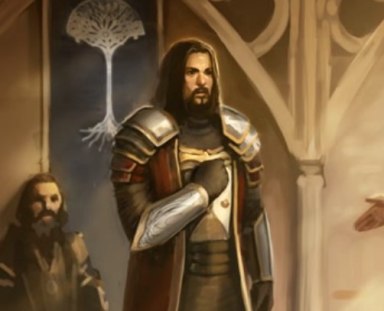 The Unwise King
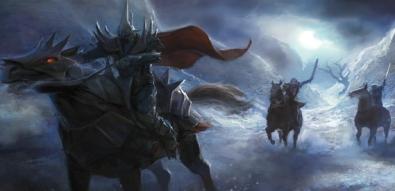 The Battle of Fornost
 A Broken Bloodline
 It’s hard to start writing a niche genre like fantasy when you’ve got the passion for it, but no idea where to start! Maybe you have an idea, but you’re afraid to take the first step because you’re afraid of failing. While the writing process is frustrating and yes, your story may not work out, but if you do your research and work hard, you will find yourself creating an unbelievable story with a world you can mold to your liking. It’s going to take a lot of patience, will-power to push through tough areas, and learning a few tips along the way from fellow writers.
 A Hobbits Journey