Mindfully Mapping Your Blogging

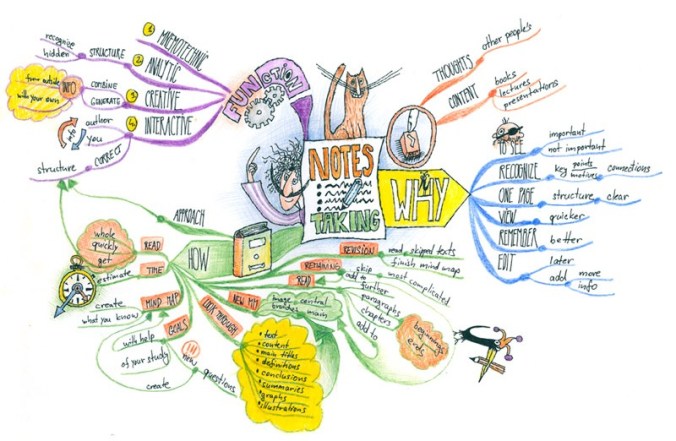
Happy Weekend to all you writers and bloggers out there! Let’s dive into Blogging Workflow and how you can set yourself up for success without feeling overwhelmed by deadlines. Think of it as a journey through a creative landscape. It is much like mind mapping. The goal is to find clarity and direction amid the chaos of ideas. You can read more on mind mapping. I detailed how I use it in an earlier post I did here a couple of years ago here.

1. Start with a Clear Plan

Just like in mind-mapping, the first step in your blogging workflow is to start with a plan. Start by mapping out your content ideas for the month. Whether it’s brainstorming for Blaugust or outlining your blog series, having a roadmap helps you see the bigger picture. Find key topics you want to cover and assign them to specific dates. This not only gives you direction but also prevents the feeling of that last-minute scramble for ideas.

2. Prioritize Your Content

Once you have your topics laid out, rank them based on deadlines and relevance. What needs to be published first? What can wait? Prioritization helps you stay focused on what’s important without getting sidetracked by less urgent tasks. It’s like mind mapping. Some branches of your idea tree are more important than others. Those are the ones you’ll want to flesh out first.

3. Break Down the Process

Blogging can feel overwhelming if you look at it as one massive task. Instead, break it down into smaller, manageable steps. Start with research and idea generation, then move on to drafting, editing, and finally publishing. By compartmentalizing each stage, you’re less likely to feel overwhelmed. It’s like the branches of your mind map—each branch is a step toward the final product.

4. Set Realistic Deadlines

One of the biggest challenges in blogging is managing deadlines, especially when life gets busy. Set realistic deadlines for each step of your process. Give yourself enough time to draft, revise, and polish your content. If you’re participating in a challenge like Blaugust, it’s okay to adjust your posting schedule. Choose something more sustainable if needed. Remember, quality over quantity.

5. Create a Buffer

Life happens, and sometimes you can’t stick to your schedule. That’s why it’s essential to build in a buffer. Aim to have at least one or two posts ready ahead of time. This way, if you hit a rough patch, you won’t miss a deadline. Think of it as having extra branches on your mind map. You can explore these branches if your main idea hits a roadblock.

6. Get Flexible

While having a plan is crucial, being flexible is equally important. If inspiration strikes or if a topic suddenly becomes relevant, don’t hesitate to adjust your schedule. Flexibility lets you stay current and keep your content fresh. It’s like revisiting your mind map….sometimes, you need to explore a new branch or idea that wasn’t in your original plan.

7. Reflect and Adjust

Finally, take time to show your workflow. What worked well? What didn’t? Adjust your process so for the next round. Blogging is a continuous learning experience, and your workflow should evolve with you. Just like refining your mind map, your blogging process should become clearer and more efficient over time. In the end, a successful blogging workflow is about finding the right balance between structure and creativity. With a clear plan, realistic deadlines, and a flexible approach, you can stay on track without feeling overwhelmed. Just like mind mapping, it’s about organizing your thoughts in a way that brings clarity. This organization allows your creativity to flow.

Mind Mapping for Blaugust (Brainstorming Week)

2010-11-14_101608

Kicking off week number two of with the topic of (BRAINSTORMING) has been interesting as I’ve seen topics all over the board so far!  With that said I have been wracking the brain on what to write about today!

I get a lot of questions around my system of note-taking, my sticky notes, and how I’ve used them to map out whatever I’m writing.   So today’s post is all about brain dumping and mind mapping.

If you are anything like me I’m sure you at one point and time struggle with the idea of what to write when to write, how to write and why would I write! Whether it’s a blog post or book….that can be a big hill to tackle on where to start.  For me, I finally just made the plunge and started writing, and a few years ago jumped in with the #NANOWRIMO group which was crazy good for getting with other writers and learning from them.

This is really where my book idea came to life as I was challenged by other writers to just jump in and begin.  Even though I had no idea really where to start, or what things looked like at the time; I did learn a system and have enjoyed the process of getting to where I am today.

A lot of people don’t write a book or blog post as they simply don’t know how to start.  They possess the idea for a book or a blog, but they don’t know what to do with it. They possess an idea for a book, but they don’t know what to do with it. They can’t imagine how they get from initial idea to a published blog post or that finished manuscript which isn’t a small feat at all so don’t think I’m playing this down.

It wasn’t until I began using the “Brain Dump” method to get my ideas that were just floating around that space in my head, to the paper so I could have a visual.  Some call this mind mapping, but for me, this is just an old fashioned Brain Dump.  Whatever you like to call it doesn’t really matter, just the methodology and way it’s used. Brain dumping will take you from a few grand book ideas to a detailed book outline you can work from to make a manuscript.  This ultimately becomes the go-to place for when you need a guide to take you from start to finish of this novel you’ve dived into.

It’s funny how our brains work as we have an analytical and creative side, so mapping those ideas out for a book or blog post when thinking about that can be tough.  Basically, mind mapping allows you to bring the two sides of your brain together in one location so that all the thoughts and information are easily visual and accessible. Once you’ve learned how to wrangle those thoughts it’s time to take a look at the actual brain dump.  This is the point where the thought has to become a reality.  So….how do you make the brain dump happen?

My favorites and staples when writing is using a large whiteboard to map out my ideas and plot pieces of the story together.  My journal is always a go-to, though lately it’s littered with sticky notes from ideas I need to go back and form into the story section I need it in.  Another favorite is the sticky note and poster board which is always fun for me as you get to move the sticky notes around and write on the poster board as well.

Examples below of my “Plot Board” and “Whiteboard”

On the left is an old push pin board my wife used to use that is currently littered with sticky notes which are all major, and minor plot points of the book. On the right is a large whiteboard that I use frequently…again with the sticky notes.  Each of the sticky notes on the whiteboard represents a portion of the book such as chapter, plot, sub-plot, character info, etc and where they fit into the timeline of the book.  May seem bonkers but visually it has helped me write clearer, cleaner and faster then I ever had before.

Maybe this is a super writing nerd kinda thing, but this is very relaxing and enjoyable for me and that’s why I’m writing this post.  I’m hoping this sparks some ideas for you as well and lights a fire so you can get to moving on that great book idea you have.

Think of the brain like this and hopefully it will help you picture what needs to happen.

Brain Dump Process

  • Creative Right Brain is where the ideas flow from and all the magic happens.  The fun stuff clicks on this side of the brain.
  • Analytical Left Brain is where the organization of all that creative material you just dumped to the paper happens.  This is where the structure of the book comes from and where your – table of contents and outline of the book will look like.

If you’ve lined everything out and keep a good record of the book and use this process then you can produce some very detailed information and great chapter outlines for your book.

Now let’s look back at the Sticky Notes and how they will help you map this book out. This is the easiest way to make a mind map of your book.

My Favorite Mind Mapping Process:

  • Grab yourself a large poster board or poster boards, or even a large whiteboard will work. Get yourself a big stack of sticky notes….multi-colored is what I like to use as I color coordinate topics to specific colors.
  • Take a single sticky note in the middle of the poster board and write your topic on it, or a book title, just depending on what you are working on.
  • Write all the related topics you can think of on sticky notes and place them anywhere on the poster board.  Sounds like chaos I know, but don’t worry about where you place them, or about organizing them, unless you are absolutely sure the topics relate to one another.
  • Fill the board with as many topics as you can possibly think of as this is the “Brain Dump” phase and when you think you’re done, look again as you will more than likely come up with more topics after taking a break, or a step back.
  • At this point, I like to take a picture of the board for reference purposes in case I have to take a break or get pulled away for something.  They are called sticky notes, not permanently held in spot notes.
  • Ok now comes the organization of the topics.  The analytical side of the brain is ready to be worked right? Look for related topics. Pick up the notes and move them around. Take a close look at what you have grouped together as they just might become the chapters of your book. More than likely, this will be the groups with the most information lumped together.  Just remember this is your book and your board so move things around how you feel fits best, and don’t be afraid to break apart groups into multiple chapters if one is too large. Just make sure you use a different colored sticky note to mark that chapter and don’t forget to name the chapter.
  • Use each of the sticky notes you have grouped together under a chapter as a sub-topic that you want to write about in that chapter.  This is where the fun begins as writing guides and book maps are a must at this point.  Sub-plots of a story can make things confusing if you don’t.

Hopefully, these few tips and my insanity have sparked some creativity for you all.  Mind mapping for me is a blast and brings a lot of enjoyment to my writing.  It takes a lot to get a story from your brain to that paper.  Sit down, start slow, find something that works for you and enjoy the process of making the next best book or blog post!

Mind Mapping a Novel

Writers-Block

Are you struggling to start your book?  I struggled with this idea for a long time before I dove into the deep end of the writing pool, and then when I dove in it was a bit overwhelming and at times felt I was drowning.

Many people don’t write books because they simply don’t know how to start.  They possess an idea for a book, but they don’t know what to do with it. They can’t imagine how they get from initial idea to finished manuscript which isn’t a small feat at all so don’t think I’m playing this down.

It wasn’t until I began using the “Brain Dump” method to get my ideas that were just floating around that space in my head, to the paper so I could have a visual.  Some call this mind mapping, but for me this is just an old fashioned Brain Dump.  Whatever you like to call it doesn’t really matter, just the methodology and way it’s used. Brain dumping will take you from a few grand book ideas, to a detailed book outline you can work from to make a manuscript.  This ultimately becomes the go to place for when you need a guide to take you from start to finish of this novel you’ve dived into.

It’s funny how our brains work as we have an analytical and creative side, so mapping those ideas out for a book when thinking about that can be tough.  Basically mind mapping allows you to bring the two sides of your brain together in one location so that all the thoughts and information are easily visual and accessible. Once you’ve learned how to wrangle those thoughts it’s time to take a look at the actual brain dump.  This is the point where the thought has to become a reality.  So….how do you make the brain dump happen?

Well multiple ways, but my favorites are using a large white board to map out my ideas and plot pieces of story together.  My journal is always a go to, though lately it’s littered with sticky notes from ideas I need to go back and form into the story section I need it in.  Another favorite is the sticky note and poster board which is always fun for me as you get to move the sticky notes around and write on the poster board as well.  Maybe this is a super writing nerd kinda thing, but this is very relaxing and enjoyable for me and that’s why i’m writing this post.  I’m hoping this sparks some ideas for you as well and lights a fire so you can get to moving on that great book idea you have.

Think of the brain like this and hopefully it will help you picture what needs to happen.

Brain Dump Process

  • Creative Right Brain is where the ideas flow from and all the magic happens.  The fun stuff clicks on this side of the brain.
  • Analytical Left Brain is where the organization of all that creative material you just dumped to the paper happens.  This is where the structure of the book comes from and where your – table of contents, and outline of the book will look like.

If you’ve lined everything out and keep a good record of the book and use this process then you can produce some very detailed information and great chapter outlines for your book.

Now let’s look back at the Sticky Notes and how they will help you map this book out. This is the easiest way to make a mind map of your book.

My Favorite Brain Dump Process:

  • Grab yourself a large poster board or poster boards, or even a large white board will work. Get yourself a big stack of sticky notes….multi colored is what I like to use as I color coordinate topics to specific colors.
  • Take a single sticky note in the middle of the poster board and write your topic on it, or a book title, just depending on what you are working on.
  • Write all the related topics you can think of on sticky notes and place them anywhere on the poster board.  Sounds like chaos I know, but don’t worry about where you place them , or  about organizing them, unless you are absolutely sure the topics relate to one another.
  • Fill the board with as many topics as you can possibly think of as this is the “Brain Dump” phase and when you think you’re done, look again as you will more than likely come up with more topics after taking a break, or a step back.
  • At this point I like to take a picture of the board for reference purposes in case I have to take a break or get pulled away for something.  They are called sticky notes, not permanently held in spot notes.
  • Ok now comes the organization of the topics.  The analytical side of the brain is ready to be worked right? Look for related topics. Pick up the notes and move them around. Take a close look at what you have grouped together as they just might become the chapters of your book. More than likely, this will be the groups with the most information lumped together.  Just remember this is your book and your board so move things around how you feel fits best, and don’t be afraid to break apart groups into multiple chapters if one is too large. Just make sure you use a different colored sticky note to mark that chapter and don’t forget to name the chapter.
  • Use each of the sticky notes you have grouped together under a chapter as a sub-topic that you want to write about in that chapter.  This is where the fun begins as writing guides and book maps are a must at this point.  Sub-plots of a story can make things confusing if you don’t.


Ok now get ready to write as it’s going to take a lot to get that story from your head to paper so what are you waiting for?  Sit down, start slow, think it out and enjoy the process of making that next best book anyone has ever read!