Writing & Building a Fantasy World

8da509b65cfd623939820230f39dc6d9As with most things in writing, there are a lot of ways to build a world well, and a lot more ways to do it poorly.  First, let me start with the fact that I am still working on my first novel series, and the world building early on became overwhelming.  This is no one’s fault except mine as I rushed into a very large project that at the time I wasn’t quite ready to tackle yet.  Many years of writing short fantasy / sci-fi stories, and personal blogging gave me the feeling I was ready to take on a novel of epic proportions.  Ultimately, I’ve loved every minute of this writing journey I’ve ventured into as it’s helped me grow as a writer, and building worlds was a huge step into the creative for me.  These few paragraphs are  just some of the tips and tricks I’ve learned a long the way to make world building easier, and more enjoyable.

When looking at the world you want to build think of it along these two lines: first, you need to establish what you know about the world.  Start looking at everything the world needs to have….Does the world have technology based on some time period we currently have or seen?  Does this world fit into a specific time period that we already know?  Maybe it’s set in the colonial age, or maybe some time period we’ve never even seen before. If you’re setting your world into a specific time period, you can answer a lot of questions for yourself as we have the history to study on it. The more different you make your world than any culture in earth’s history, the more challenging it is both for you as a writer and for your readers to imagine.

sb10067155f-001

Secondly, you’re going to have to think about how the world works which is where the writing gets fun!  This portion of the story creation is where you let the imagination run wild most of the times!  This is where you get to ask the big questions: Does this world have magic in it? What are the economic systems in this world? What kind of ruler or rulers will you have in this world? See, the fantastic thing about writing fantasy is that you can make up almost anything you want – as long as it makes sense and can be explained to some degree. If your world feels too weird, it will be hard for your readers to buy into what you’ve created. So in some ways, the weirder you make things, the more you have to make sure that readers see that your characters experience these weird things as normal everyday living. Think of the most normal objections readers would have to the weird things in your world, and don’t be afraid to confront them head on within the story.

So looking back at our first line of thinking, you really need to make a big decision of how this world actually works and functions.  Brain power is all this takes, along with gallons of coffee, and caffeine!  Really though, this just takes some time and deep thought, but coffee just goes well with that process!  It may take some serious study, as you look into how societies operated. Or it may just take time thinking. Whatever it is, you want to have the broad outlines of how people interact in your world figured out and settled. Secondly, you can look at layering other cultures into the story and process of how the world functions.   Does the kingdom next door have no nobility? Or not believe in magic, or believe in whatever you want really. This can get very mind-boggling though but if you are willing then go for it. Basically, there’s a lot of hard work here, and none of it will show up on the page. At least, none of it will show up as extra words that you write.

Third, do things out of the box and differently.  Don’t just copy some great authors ideas down and try to copy what they’ve created.  They became great writers and created those worlds because they did just that, thought differently and outside of the box. This will make your world more interesting. Doing things differently from what you’ve always seen is a good habit to trait and continue to cultivate that as a writer.

writing-fantasy-1920x1200Fourth, You’ve decided how your world works, you’ve decided your characters’ places within this world, and now you have to write, write, write. I tend to give very broad outlines of my world and the inner workings; then as the characters move through the world, I bring out those specifics.  My plot within the story moves very fast and at times the world building takes a back seat, but all in all the creation of the world takes place and ultimately becomes immersive.

Fifth, the greatest thing about world building is it’s your imagination and it’s not limited to a keyboard, or whatever walls you dwell in while writing.  Whatever you find fascinating and want to pursue for your book, go after it with vigor and don’t let anyone tell you otherwise.  Whatever you find fascinating, can make your book stand out from every other book that has ever been written – as long as you make it fascinating to the readers.  Most of the times this is an easy task as you know what you like, and what draws you to enjoyment while reading.  If you find something your passionate about it is extremely easy to communicate that as it’s just that a PASSION!  Just remember take care to communicate with the readers.  If you can do that within the flow of the plot and overall book, they will more than likely enjoy and love what you’ve written.

Don’t let building a world of fantasy be something to constrain your imagination, instead let it be the freedom you enjoy while writing what you love!

scr.ee tags:

#fantasyworlds

Creative Writing – What, How, Why of a Fantasy Novel

Writing a fantasy novel is great fun – you can literally let your imagination run wild.  It’s a little different when writing a novel set in the real world as unlike books set in reality where you can use real life as examples, you’ll have to invent everything in your new fantasy world.  Do you enjoy writing, are you working on a fantasy novel, or have you had the notion to start one?  I hope the next few minutes while reading this helps you no matter what stage you might be in for writing a novel.

One of the best things you could do to kickstart things is read as many classics as you can find!  No matter the type of book you begin writing this will give you a good idea about what works and what doesn’t.  Remember though that reading other peoples works is something to help with idea spawning and relax your mind.  You must take note not to simply copy the ideas you’ve read from any of the good old classics or other pieces of work you find.  If you find yourself dealing with elves, half-lings and orcs whilst being a reluctant hero on a quest to destroy a powerful item, it’s probably best to scrap it and start again. It is true that all stories are a combination of those the reader has encountered over the years. But, you should always try to find an original angle and it certainly should not be obvious what the source material was. Reading the classics will also allow you to discover how well-crafted characters interact with each other as the story progresses.

Tip 1. Use established myths and legends as the basis for your fantasy world. Think about what your fantasy world might be like.  Do your studying and find out what your world and culture is most like….Is it Celtic, Roman, a medieval world or a blend of multiple cultures with your own twist on it? Once you’ve chosen, go and read about the myths and legends that relate to those cultures. The mythological creatures and characters and their stories will give you a great basis for your new world.

Tip 2. Get to know your imaginary world – you need to be able to describe it in detail if you are going to convince your readers, for the duration of the book at least, that it exists. Be thorough and detail everything you can possibly imagine about the world you are creating.

  • Physical – what does your fantasy world look like? Think about and make a note of:
    • the colour of the sky
    • what other planets can be seen from the surface
    • whether the air is breathable
    • what the plants look like
    • what creatures live there
    • whether there are seas
    • what the landscape looks like
    • futuristic world or something older
  • Residents – decide who lives in your newly formed fantasy world. You should spend time thinking about how they look, what they eat, how they move, whether they need sleep, how they speak to one another etc…
  • Society – what kind of society exists? Do they need money to buy things? Is there a complex system of politics they follow? Do they have a police force, a king or president? Is there a religion?
  • Special powers/magic – Do the residents have any special powers or use magic? If so, what are they and why do they exist? Does everyone have use of them or only certain people?

Tip 3. Make your characters believable. This is one of the most essential parts of the book if you want to hook and keep readers interested in the story. A great way to achieve this is to apply logic to every character in every fantasy world you create. This means creating a set of rules that apply to the world and the character. The rules can be based on either real life or they can be simply invented by you.  Remember if you are creating the rules of the world, don’t let a BOX hold you back from being creative.  Sometimes creating our own ways is just the push we need to make that next step in our creative writing.

Tip 4. Make sure you keep careful notes of all the details you invent for your new fantasy world. This will help you maintain continuity throughout the novel. There are many ways of doing this, some writers like to have a set of cards with the details on, others set up spreadsheets; so play around with different systems to find one that suits you the best.  I personally use a book mapping chart I created in excel that helps me track all major parts of the book I need.  I hope these few steps help you get started, or give an idea of what steps to take next in writing your new fantasy novel!

Remember, have fun!! That is the first and foremost thing I can say when writing… Have Fun and lots of it!

The Walking Dead Game – Season 2 – Episode 2 – A House Divided Review

The Walking Dead Season Game Season 2 ClementineHello everyone,

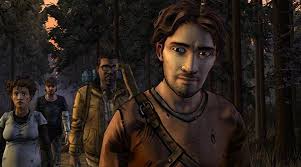
Back again this week and were taking a look at A House Divided which is episode two in this fantastic game series.  I can’t say enough about this game, action, and story line you get pulled into.  While episode one “All That Remains” focused on character development and plot building, “A House Divided” pulls everything in and brings us a very violent story that destroys the relationships we saw built in episode one.

We continue down the path of Clementines amazing character and learn more about the dark path her story is taking, but this episode has taken a turn on character importance as well.  We learn about a new addition to this fantastic story and his name is Carver, a villain with a quiet and terrifying menace.  Like The Governor in The Walking Dead comics, Carver is going to have major, memorable ramifications on Clementine and the people of this episode.  Carver is smart, calculated and very controlling which is what makes him so threatening in this story arc.  Carver is after power and control and he’s set the stage for a very nasty future that Clementine and her group will have to face for many episodes to come.

images (4)As we saw in episode one, Clementine had some very interesting character growth and it was a very intense portion of the game.  Episode two is no different as when we see someone in this story change for the worst, it’s never far off that we will run into someone who is much worse. Over this episode’s two-and-a-half-hours Clementine makes a ton of big decisions about her group’s fate, especially during the stressful and bloody 30-minute finale, while reconciling and damaging relationships along the way. Short of Lee Everett, nothing has changed Clem in quite the same way as the catastrophic events Carver puts into motion during this episode.

“A House Divided” may be the biggest episode of The Walking Dead yet in my honest opinion, both in terms of the ground covered and the variables you encounter along the way.  Again, the story is made up of a lot of conversations between the multiple parties involved, and they take wildly different directions depending on who’s alive to have them and how you treat others. You may not see certain settings, have entire conversations, or interact with certain people depending on where you take Clementine by the end of the episode’s five-day stretch.

images (3)On Clem’s journey north to find safety and a missing friend, she also ends up in some of the best action fight scenes the game has seen.  This game series has always been a master at creating drama, and tension in the fight scenes and this episode has just brought those emotions to a brand new level of extreme. The only downside is It’s still concerning to see sudden frame rate drops and animation stutters during these sorts of sequences on the platform systems, but PC has preformed beautifully so that is my go to platform for this game.

Through most of this episode we get to see a very different playing field that Telltale has created with the decisions that are made throughout.  The majority of scenes throughout this episode feel like they’ll each have lasting consequences on Clementine, or even a new group of trustworthy survivors. Depending on whether Clementine gives herself up or tries to sneak away to find backup, she’ll have entirely different game play options, conversations, and choices in separate locations.

images (1)This episode has seen immediate important shifts when big decisions are made instead of wondering when that one specific dialogue choice will come back to help or hurt you.

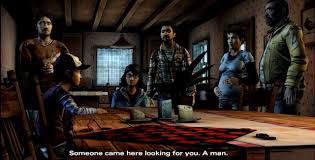
This episode has seen some big changes, but one thing has not changed, the writers have again blown us out of the park with the story and characters.  A chilling and introspective speech about regret, family, and letting go stands out as one of the franchise’s strongest character moments.  The best part of this episode for me, are the things that aren’t said that come out so clear.  All in All this is one of my favorite moments in the series and I can’t wait to play the next episode.

Until next time!

A Minor Character Turns Into Major Writing

Writing is something I’ve loved to do for as long as I can remember, but at times it makes the brain hurt and you have to step away and relax.  It’s been two months since I last posted something on the blog and it’s due to needing a break, so that is exactly what I did.  No writing…”Well Almost” No writing!  It’s really hard for a writer not to write at all and completely disconnect.

After a fantastic summer vacation with my family, and some much needed R&R I am finally back in the swing of things and I’m getting my writing schedule back. Coming back from this two month break of writing on my book, I decided to break things down in my handy little notebook and see what notes I had been keeping and little to do’s I had tucked away. One note really stood out as it said “Not all of your characters are created equal”.  Hmmm is really the sound that I made because I couldn’t remember why I had written the note.

Lucky for me as I’m writing I make notations on my pages in the book that point back to the note I just made in my handy little notebook, just for occasions like this!  Meaning I’m forgetful and I know it, so I have to do quirky little things to help myself remember where I left off at.

The Minor Character Role

Today is really a break down of what that note meant and hopefully some good tips when writing in minor characters in a story.

First and foremost these characters make up the heart of your story so it’s also important for the readers to grab a hold of who will be important and who will not.  Major characters are the store setters and people you want to follow along with in the story right?  Well as a writer sometimes it’s easy to get caught up in writing these “Minor” characters and forget they are just placeholders at times.

So where is the dividing line between major and minor characters? There isn’t one. The different levels blend into each other, and as you master those writing techniques, you’ll be able to create and better define each minor character for the importance it holds to the story.

There’s absolutely nothing wrong with a background character breaking stereotype and having a little light pointed their way.  When this happens, this character is no longer part of that background group and the readers have noticed them.  They are also going to expect this character to have some growing moments in the story.

The readers may not care much about this character as he isn’t expected to play a major role in the story. He might be involved in some of the action, but he also might disappear. Still, his individuality will set a mood, add humor, make the underlying story more interesting and complete. The way to make such characters instantly memorable without leading the audience to expect them to do more is to make them eccentric, exaggerated or obsessive.

As you play around with how these minor characters stand out in the story use the ideas of making them eccentric, or exaggerate their personality or even make them some crazy obsessive compulsive jerk. Don’t be shy when writing these characters in your story!  Make sure you are also keeping track of who and where these minor characters fall in place to the storyline.  Rank them per say from least important background, through the minor characters, major characters, all the way up to the protagonist of the story!

Look at the personalities of your characters, who are they, how do they interact, are they changing as the story grows, and who will end up being a minor and major character?

Have fun, enjoy the writing, and as for myself…. I have a lot of work to do on the minor characters in my book!

Best of luck to all the writers out there!

Until next time

The Journey of Writing a Fantasy Novel

chapter 1Have you ever asked yourself what it’s like to write a novel, or how one goes about it?  So have I, and I’ve learned that each has to find there own way of bringing the inner creative writer to paper.

I’ve been working on a book series for several years now, almost four to be exact, but I haven’t spent the entire four years just writing.  I learned a long time ago planning goes a long way in being successful when plotting a story, or any thing you write.  For as long as I can remember, I’ve had a passion and love for writing, but it wasn’t until a few years ago I even thought about trying to get any of my material published.  Honestly, I can’t even take credit for the idea of seeking a publisher, as my wife is the one who has talked me into it.

Currently I am working on book one in a series that I started years ago and as I said before….it has been a lot of planning, character plotting, long nights of staring at a blank screen with nothing other then a hot cup of coffee, or twelve that gets accomplished.  One might ask, after so long do you ever feel like giving up or even quitting?  The honest answer is YES and NO….yes it’s hard to find time to write when you work in another full time job, have three children, a wife, and other responsibilities that come before a hobby.  At times it is frustrating when you hit a wall and have absolutely no words, direction, or even a faint hint of where you need to go next in the story you so passionately want to get finished.

The biggest thing that helps keep me grounded in the perspective of writing, is my wife and three children!  My wife continually gives me feedback on my writing, both good and sometimes BAD, and these stories were originally birthed for my children as bedtime stories.  This idea kept in mind has pulled me through frustration, and the itch to quit at times and has allowed me to plot out the first five books in the series.  Having almost finished the first book I have noticed the light at the end of the tunnel syndrome…..and getting to see ones story come to life on the pages is quite overwhelming!

So, I write all this to say, if you are a writer of whatever genre then here are some writing tips I’ve learned along the way.  These have come from my own mistakes, my successes, and even mentors I’ve had over the years of how to put things in perspective and keep yourself on track!

Evaluate the Writing Style

If you have a love for writing, then you may find yourself slave to the writing itself. Remember you are the one doing the writing, and it is possible to create a schedule that doesn’t engulf your entire life around writing.  You do have a life, so go live it!  If writing is a job you wish to pursue and have as your job in life, then dedicate time to it, learn new ways of writing, evaluate how you come about writing.  Try writing in different areas away from the home.  A change in scenery can be a world changer for a writer as it helps open the creative flow.

Getting Ideas on Paper  

Do you have some good ideas or a potential story brewing in your head?  Sit down and make sure you write those ideas out on paper.  Typically you would have a character, or character in mind and a place in which these ideas would evolve over time.  They would be centered around some major events, like a war or even someones death.  Once you have the main ideas or plot of the story written out, start asking simple questions, like, “why?” “when did this happen?” “how?” and move onto more detailed questions like, “How did this affect the lands?” “Who is to take blame for this event?” etc…. Once you have these ideas sorted out, pass them onto a friend, fellow writer, etc to pick apart and ask them for a honest opinion.  In the end, this process can help you determine the the major plot lines of the story, where will the main focus of characters and development be, and even sub-plot lines.  All these things added together help you make the story become whole.

World and Places Come to Life

Where will your fantasy creations live? Is this a made up world that you’ve created, or is this some parallel universe with mystical creatures full of big tales to be told?  There are absolutely no limits on what the imagination can create.  Decide what places your story will be centered around and take into note the previous of letting another review your ideas. Go into detail when creating your world….the races, animals, plants, rivers, lakes, you name it and make sure you list it.

Keep a Notebook and Write it All Down

Never ever leave the house without your notebook.  You never know when you will have this amazing idea pop into your head for the fantasy novel to come.  Write it all down: Your main character, the major events, the kind of world it is, you name it, because all these ideas will come together and firm the story up.  Trust me it’s awful to have this fantastic idea pop into your head and find that you have absolutely nothing to write it down on.

Don’t Be Afraid to Change Things 

Always, Always, Always, take a look at the major underlying plot that everything centers around. Make sure that everything you’ve created centers around this plot because it’s easy to wonder off into a wild rabbit hole. Look at the major event or events and don’t be afraid to mold it, change it, as you have to make this event believable to the readers.  This is what your entire novel hinges on and if the plot line doesn’t make sense, or doesn’t hold the readers attention… well… I think we know what happens next.  Work on other characters who help build the plot line and your protagonist on his/her journey. Not every hero needs to be a loner and he/she could vary in anyway you want.  They may have a family, they may be cold at heart and emotionless until someone comes along they care about.  You name it! Don’t make your story revolve only around your character. Show the feelings of the people around your protagonist and how their decisions affect them. Don’t make a story of one person; make a story about the journey of one person.  Learn how to join sub plots and other events to the major plot line. These could be a birth of a child, or as in my book the birth of multiple children based around a prophecy.  These events will cause your story to have a sense of feeling, emotion, and building that brings the reader closer to the characters and story.  Make sure your characters grow over time in the stories, as the experiences should help mold and make them into who they are to become. After pulling things together, don’t be afraid to make changes (subtle or drastic) to your characters, and story. Make obstacles in your character’s life. Not everything will be easy for him/her. Make sure you’re writing a fantasy novel, not a walk in the park that becomes boring to read.

Creating Your Visual Fantasy World 

This is one of my favorite things to do in bringing a story to a visual understanding!  Grab a piece of paper and a pencil. It’s time to start drawing out what you see in your head. Do a ton of research on land, rivers, map creation etc… If you’re planning to build a world from root, start drawing simple lines. You can make seas, oceans, lakes, mountains, and other strange factors in your world. Draw the lines of kingdom’s lands and empires. Put post-its and other notes on your map to locate some events. Remember: your map doesn’t have to be well made. Be free to use any materials you like, and have fun!

Deep Rooted History 

Do you plan on having a deep history and timeline in your story? Plot out a chronology of your story as this could help aid the reader and bring them closer to the events going on. Plot out the events that appear in your book, or just stories of other events that will indirectly explain the ones in your plot. Don’t think it’s a waste of time to build a world which, for the most part, won’t appear in the book. It’s important for the reader to know that the writer knows what he’s talking about and isn’t putting random things on the pages of his/her book. Make your characters tell a legend or mention some event that you have carefully planned out. As the writer, you have to know something that the reader’s don’t….and always make sure you know what you’re talking about.

Character Development 

Make sure you know the main character or characters, don’t just make a place holder in the story with a random name laying on the pages.  Plan everything about your character. This is where you put some deep well thought out time and attention into the story. Does he/she have fears (death, darkness)? Where/when was he/she born? Under which circumstances? Do they have siblings? Do they have someone they love? Be free as this is your story!

Things About your World 

Remember that chronology planning you read about earlier?  Not it’s time to take it a step further…. Be as detailed as you possibly can with the imagination you have!  What kind of homes do people live in? Jobs? Types of clothing? Government systems? Do they have schools, or some type of training grounds soldiers are sent to? Family bloodlines that rule the kingdoms, is there magic in the land, or some dark evil threatening the lands?  Can women fight in war too, or is it only for men? Are there any fantasy creatures roaming the lands? Don’t leave anything out as this will probably be the biggest step in your story. The base will be here. Everything you’ll come up with needs to be here. Don’t worry if you’re taking too long writing everything out. A good story needs to have a solid foundation that covers every base you could think of.

Plotting and Planning

This is one of the most time consuming and sometimes frustrating step in the process. Making the chapters of your story, and tying everything into itself. Define what kind of writer you will be. What will be the length of your chapters and book or books? Will you write in third or first person or take on the challenge of both?  Will you describe your characters and surroundings to make the story more personal to the reader, will you not care and just want to make an epic legend? This is one of those steps you can’t be afraid to change and touch multiple times, and sometimes with a very critical eye!  Reverse the roles at times and look at it from a readers standpoint!  I think I have spent more time plotting my books out then writing the stories and honestly that is what makes for a deep and rich story.  I spent the first few moths plotting out a simple book chart that lists (Years, Major Plot, Minor Plot, Characters, Etc…)  It is my go to before I ever even think of writing at times. Remember don’t be afraid to create, change, and plan!

Let Others Review 

Don’t forget to reach out to others and let them read your work. Print out your finished product and hand out multiple copies to people who may enjoy reading your novel. It can be a few close friends at first, but once you start getting feedback and start building confidence, you might want to consider trying to publish.  Accept any criticisms, good and bad as they will make you a better writer in the future. Fix anything that your editor tells you. Believe that you can be published if you put your mind to it, but try not to hope too strongly for your book to be published, since you could end up very depressed if all doesn’t go to plan. If your work is rejected by one editor, edit the story or send it to a different publisher.  Remember what drives you to write, and don’t lose sight of why you love doing this.  It’s easy to see the light at the end of the tunnel and get caught up in the moment of a job, instead of a passion for writing!

Blogging with a Schedule

Hey all you fellow bloggers and writers!  If you all are like me you have a crazy busy schedule and probably struggle finding time to post.  Though I’ve been blogging for six or so years now…time is the one thing I just can’t get more of.  It took me quite a long time to get a system down of when I wanted to post, what content I wanted to do, and that system isn’t perfect by any means but it sure does help.  I’m hoping my little system might help you as well.

It takes a lot of hard work to develop something creative that you love doing, even if it’s just a hobby, you wouldn’t be doing it if you didn’t love it…or I wouldn’t at least.  I have enjoyed writing since childhood and that same passion and love continues today.  Though i’m not a published author, that is a goal I’m currently working towards so for now bogging is a way for me to creatively express the crazy floating around in my head.  I don’t see that I would ever stop blogging as it’s just plain fun and a great challenge to come up with the next “Best Thing” that someone will find entertaining.

Hopefully this post will help you outline some ways to condense the long hard efforts you put into your blog and make them easier.

#1 What Content and How much.

First up is figuring out exactly how much content you want to produce in a specific amount of of time…if you have an idea of what that will be that is. Say you are a daily poster and you have multiple topics.  That is a lot of content to be creating…say the “Month” you are supposed to post.   Preset yourself a bit and plan out what you want the previous month so you give yourself a lead time to get that material together. This way you aren’t being overloaded and playing catch up everyday.  I’m a weekly poster just because that is all my schedule will allow right now, so plan accordingly for yourself and you will have a lot more fun doing this.


#2 Categories, Categories.

Now that you know how many posts you need to write, come up with some working categories so you have a good idea of what ideas you are going to be working with.  Pinpoint what you want to write about and keep those categories current so that multiple topics can be posted to one category.  If you only have a certain amount of posts you can publish in one month, you have to be selective with what you spend your time on. That means some ideas go to the chopping block or get put away for another time.

I try to keep a log of topics that I want to write about…which this helps me know how often I need to write and when I need to publish to meet that weekly timeline I’ve set for myself.

#3: Challenge The Organization Skills.

Now that you have your ideas formed and categories made, you may be wondering how on earth am I going to get all this organized and finished like I want.

Organization, Organization, Organization.

Instead of just handing out blog posts like they are candy, you might want to take inventory and see if you’ve got to much at one time for the timeline you can effectively meet.  Couple of things to think about when you take inventory is…

  • Research: How much time do I need for researching my topic of choice?  Will it take a considerable amount of time, or is this something I’ve already got jotted down on my paper and it’s prepped. This step can save you a ton of time and frustration if you will ask yourself.
  • Content and Format: Some posts are more difficult to write than others. This can be a huge frustration if not planned out well as you can spend hours getting things formatted, planned, and ready.  Check to see the order of topics you are writing about cause if you have some really heavy research articles all in a row, it can be challenging to meet that posting schedule.


#4 Don’t forget to Review and Schedule.

Once you’ve completed your day or days of writing, don’t forget to review them and schedule them out. It’s always nice to have things pre-planned and scheduled on your blog.  You put a lot of hard work into writing this content and now that your brain is taking a rest make sure the posts get a good scrubbing review, then get them scheduled for when you want, rinse, and then repeat all four steps for next time as well.