In the realm of literature, there are few experiences as exhilarating as the creation of a fantasy world. It’s a process that combines the boundless potential of your imagination with the structured craftsmanship of storytelling. Whether you’re an aspiring author looking to pen your first fantasy novel or a seasoned writer aiming to delve deeper into the genre, the adventure of world-building and character creation is both rewarding and intricate. Let’s explore the essentials of creating your own fantasy universe, rich in detail and vibrant with life, while drawing inspiration from my own journey with the current novel I’m writing.
The Foundations of Your World
1. Geography and Landscapes
Topography: Begin by sketching the physical features of your world. Are there sprawling mountain ranges, dense forests, or vast deserts? Each landscape can influence the culture and lifestyle of its inhabitants. For example, in my work, the varied terrains shape the resilience and adaptability of the characters. Think about how different environments can provide unique challenges and opportunities for your characters.
Climate and Weather: Consider how the climate affects the environment. Does your world have distinct seasons, or is it perpetually shrouded in mist? Weather patterns can add layers of realism and affect plot progression. The shifting seasons in my stories often play a crucial role, testing the endurance and survival skills of the protagonists. Imagine how extreme weather events could force characters to make pivotal decisions or alter their paths.
Natural Resources: Identify the resources that are abundant or scarce. This can shape economies and lead to conflicts or alliances. A region rich in magical crystals, for instance, could become a hub of power and conflict. Think about how access to resources affects social structures, trade, and power dynamics in your world.
2. Cultures and Societies
Races and Species: Populate your world with diverse beings, each with unique traits, histories, and societies. Think beyond humans to include elves, dwarves, dragons, or entirely new creations. The diversity of races in my stories adds depth and richness to the narrative. Consider how different species can bring unique perspectives and skills to the story.
Languages and Dialects: Create languages or dialects that reflect the diversity of your world. Even a few unique words can add depth to your setting. In my writing, the use of ancient languages holds secrets and power, providing a sense of history and mystery. Developing a lexicon for your world can enhance immersion and provide clues to cultural nuances.
Traditions and Customs: Develop cultural practices, festivals, and rituals. These elements enrich your story and give readers a sense of continuity and history. For example, annual festivals and rituals in my work serve as both cultural touchstones and pivotal plot events, bringing characters together and revealing societal values. Think about how traditions can reveal character traits and advance the plot.
3. History and Mythology
Ancient Legends: Craft myths and legends that have been passed down through generations. These stories can influence present-day events and character beliefs. The legends in my current projects provide unifying myths that drive the characters’ quests and shape their destinies. Consider how ancient legends can create a sense of depth and continuity in your world.
Historical Events: Outline major historical events that have shaped your world. Wars, alliances, natural disasters, and technological advancements can provide a backdrop for your narrative. In my stories, past conflicts and their aftermath set the stage for current tensions and alliances. Think about how historical events can influence the current political landscape and character motivations.
Breathing Life into Characters
1. Heroes and Villains
Protagonists: Your main characters should be relatable and complex. Give them strengths, flaws, and motivations that drive their actions and decisions. In my writing, each character has distinct strengths and weaknesses that contribute to their individual arcs and interpersonal dynamics, creating a rich, character-driven narrative.
Antagonists: A compelling villain is as essential as a memorable hero. Develop their backstory and motivations to create a nuanced adversary. The antagonists in my projects are not just sources of conflict but characters with their own goals and history, making them formidable and believable opponents. Think about how your villain’s actions and motivations can challenge your protagonist and drive the plot.
2. Supporting Cast
Allies and Mentors: Introduce characters who aid the protagonist, offering guidance, skills, or resources. They can provide support and challenge the hero’s beliefs. The mentor figures in my stories help the protagonists navigate their journeys, providing wisdom and skills crucial to their success. Consider how mentors can shape the protagonist’s growth and development.
Rivals and Foils: Characters who oppose or compete with the protagonist add tension and conflict. Their presence can highlight the protagonist’s growth and development. Rivals in my writing constantly challenge the protagonist’s decisions, pushing them to become better leaders. Think about how rivals can create dynamic and engaging subplots.
3. Character Arcs
Personal Growth: Ensure your characters evolve throughout the story. Their journeys, both external and internal, should be marked by challenges and revelations. Each character in my projects undergoes significant personal growth, learning to balance their individual desires with their responsibilities to each other and their world. Consider how challenges and successes shape your characters’ development.
Relationships: Develop meaningful relationships between characters. Friendships, romances, and familial bonds can drive emotional investment in your story. The bonds between characters in my writing provide strong foundations for their adventures and conflicts. Think about how relationships can enhance the emotional depth and complexity of your narrative.
The Magic of Plotting
1. Building a Strong Narrative
Conflict and Resolution: Every great fantasy novel revolves around conflict. Whether it’s a battle against dark forces or a personal struggle, the resolution should feel earned and satisfying. In my work, central conflicts involve both external battles and internal struggles, creating layered and compelling narratives. Consider how different types of conflict can enrich your plot.
Subplots: Weave in secondary storylines that enrich the main plot. These can involve supporting characters or delve into the history and politics of your world. Subplots in my stories explore themes of loyalty, betrayal, and redemption, adding depth and complexity to the main storyline. Think about how subplots can enhance the thematic richness and character development of your story.
2. Pacing and Structure
Tension and Release: Maintain a balance of high-stakes moments and quieter, character-driven scenes. This rhythm keeps readers engaged and invested. My writing balances intense action sequences with moments of introspection and character interaction, creating a dynamic and engaging narrative flow. Consider how pacing can enhance the emotional impact and readability of your story.
Cliffhangers and Hooks: End chapters with questions or revelations that compel readers to keep turning the pages. Each scene should contribute to the overall narrative momentum. In my projects, cliffhangers and revelations keep readers on the edge of their seats, eager to discover what happens next. Think about how you can use suspense and intrigue to maintain reader interest.
3. Themes and Messages
Core Themes: Identify the central themes of your story. Whether it’s the battle between good and evil, the quest for identity, or the power of friendship, these themes should resonate throughout your narrative. Themes of brotherhood, sacrifice, and destiny are central to my writing, providing a unifying thread for the story. Consider how themes can add depth and coherence to your narrative.
Moral Dilemmas: Challenge your characters with ethical choices that reflect the complexity of real life. These moments can add depth and provoke thought in your readers. Characters in my stories face numerous moral dilemmas that test their values and beliefs, adding complexity and realism to their journeys. Think about how moral challenges can enhance character development and thematic richness.
Creating an Immersive Experience
1. Sensory Details
Visuals: Paint vivid pictures with your words. Describe the colors, shapes, and movements within your world. The richly described landscapes and environments in my writing transport readers into the heart of the story. Consider how detailed visual descriptions can enhance immersion and create a vivid setting.
Sounds: Incorporate the sounds of your environment, from the rustling of leaves to the clashing of swords. The auditory details in my stories add an extra layer of realism. Think about how sounds can create atmosphere and enhance the reader’s experience.
Smells and Tastes: Engage all the senses by mentioning the scents of a marketplace or the taste of a celebratory feast. The sensory details in my work bring the world to life, making it tangible and immersive. Consider how incorporating smells and tastes can add depth and richness to your descriptions.
2. Emotional Depth
Inner Monologues: Delve into your characters’ thoughts and feelings. This insight creates a strong connection between the reader and the character. The introspective moments in my stories provide valuable insights into the characters’ motivations and fears. Think about how inner monologues can enhance character development and reader empathy.
Symbolism: Use symbols and motifs to add layers of meaning. These can be objects, colors, or recurring elements that reflect broader themes. For example, in the first book of my “Brothers Three series, there is an item called the Spindelum of Time,” the Time Spindelum itself represents the fluidity and fragility of time, adding a layer of meaning to the characters’ quests and journey through the world. Consider how symbols can subtly reinforce themes and add a sense of continuity and cohesion to your narrative.
Conclusion: The Art of Fantasy Writing
Creating a fantasy world is an art that requires imagination, patience, and attention to detail. It’s a journey of discovery, where every element you design contributes to a rich and immersive narrative. As you embark on this adventure, remember that your world is a reflection of your creativity and passion. Embrace the process, and let your story unfold with all the wonder and complexity that fantasy offers.
Personal Reflections and Encouragement
As I work on my own novel called The Brothers Three which is a coming-of-age high fantasy novel with multiple books in the series, I find that the most rewarding part of writing fantasy is the ability to explore new ideas and push the boundaries of my imagination. This genre allows us to create worlds where anything is possible, where the only limits are those we set for ourselves.
For those of you venturing into fantasy writing, I encourage you to dive deep into your creativity. Let your imagination guide you, and don’t be afraid to take risks. Your unique voice and vision are what will make your world stand out. Happy writing!
 Doing something a little different for today’s post! I’ve been putting a ton of time into plotting, world-building, and just getting that much needed time into writing on my novel series, so I wanted to share some fun tips I’ve learned along the way about writing in the fantasy genre.
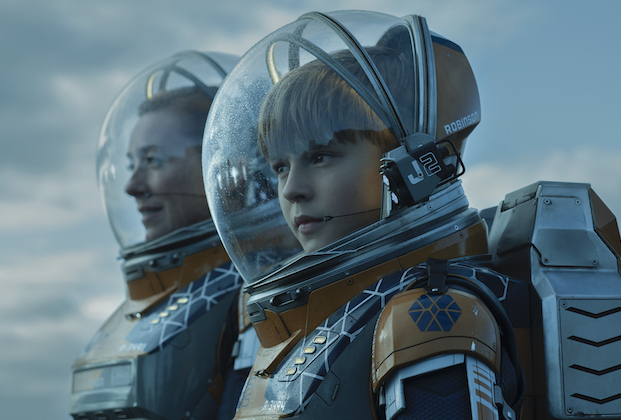 Netflix wasn’t shy about showing new things coming to the show as they also previewed a clip of the Robinsons turning the Jupiter into a “Space Sailboat” to cross a sea on one of the planets they’ve landed on. It looks like Season 2 will see the Robinsons exploring multiple planets in the five-planet system they discovered at the end of Season 1, and also find out more details about the origins of the mysterious Robot and where it truly came from. I’m sure throughout the 10 episodes of Season 2 we will see more surprises and mysteries that the Robinsons will have to uncover and of course get themselves out of those tricky situations they are oh so good at.
 Since I’ve been back to a more frequent schedule of writing both on my novel and here on the blog I wanted to take a look at some of the challenges of writing fantasy, scheduling time for it and doing what you love.
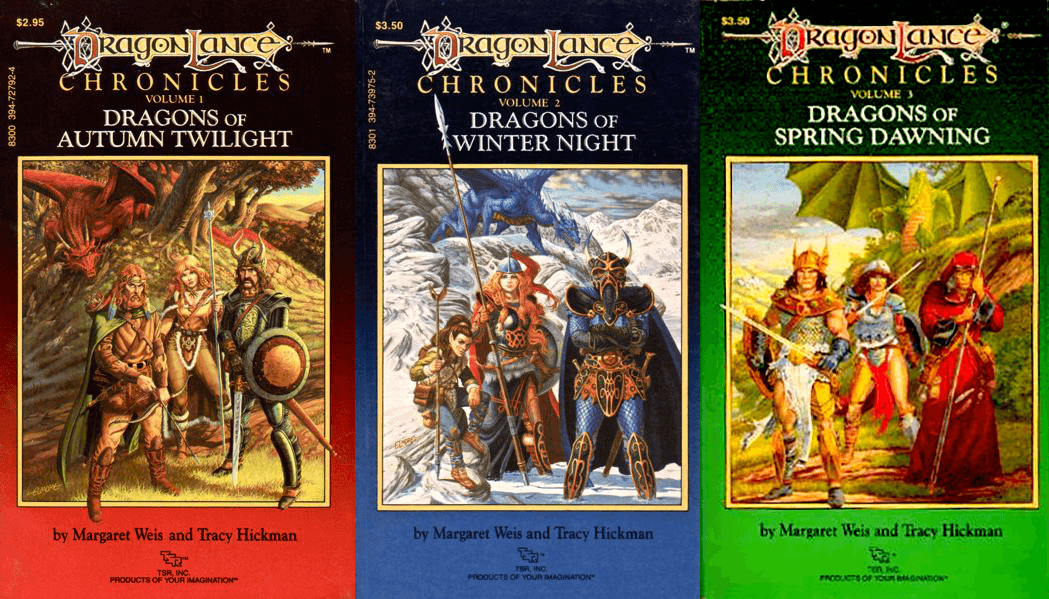
 The Dragonlance Chronicles were one of the first novel series I read that introduced my love for the world of fantasy. The first novel series that I fell in love with of course was JRR Tolkien’s The Hobbit, and The Lord of the Rings. The Dragonlance Chronicles holds a high place on my list though mainly because I was one of those role-playing geeks of the 80’s.
 The Unwise King
 The Battle of Fornost
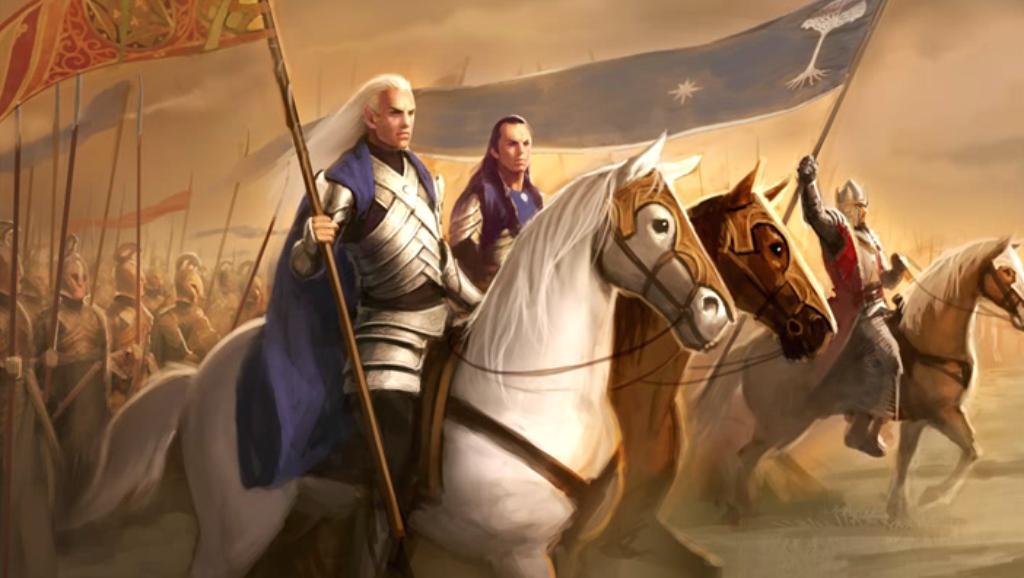 A Broken Bloodline
 While some have looked down on fantasy fiction as derivative, poorly written or childish, the fact is that our oldest literature is fantasy fiction. From The Epic of Gilgamesh or the Odyssey, or one of my absolute favorites Beowulf! All of these stories that have survived the disappearance of ancient civilizations are stories of gods and magic and quests and monsters. It’s undeniable that fantasy is one of the most popular and favorite of many across all ages.
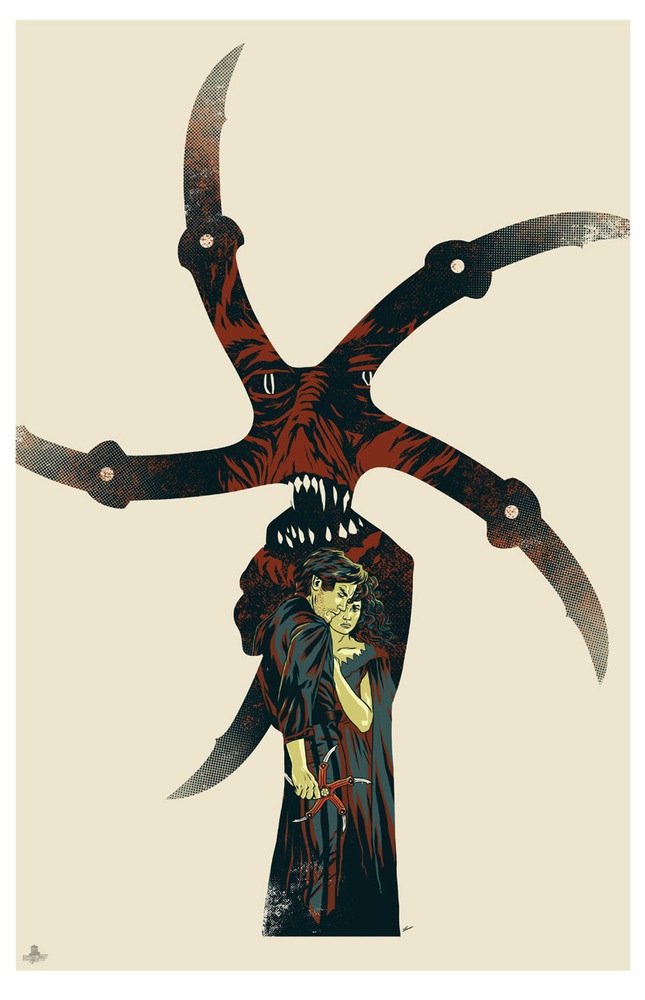 One of the greatest sword and sorcery fantasy movies of all time! This is one of my top three films from this genre and it was very hard to remain objective about a film I enjoyed so much as a kid. Krull pulled from some great influences and that is more apparent than ever in 2016 as I’ve just recently watched it again. It “borrows” freely from Tolkien, Greek and Arthurian mythology and Star Wars. Even with all the borrowing of themes for this 80’s sci-fi / fantasy cult classic it was hard for me to not have some genuine affection towards this film. Seeing this film in the 80’s as a young boy just sparked that already intense drive I had for my wild imagination for the fantasy realm. Though this film is starting to show it’s age in places, Krull overall is a very well-made film, and far from one of those cheaply made knock-offs that showed up in the wake of the fantasy, sci-fi, and sword & sorcery era of film making.
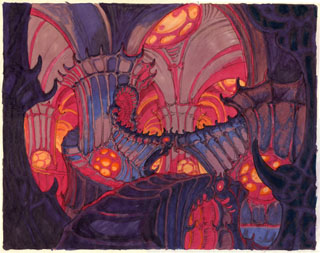 This ship is, in fact, the Black Fortress, a massive stronghold for the Beast and his army of Slayers. This ship touches down on the planet Krull which opens our story for a great battle of good vs. evil like most of the great fantasy films. We have a hero of the story, a prince named Colwyn who is about to wed a fellow kingdoms daughter, the princess Lyssa. During the wedding the Beast sends his Slayers to attack the castle where the wedding ceremony was being held to take the princess and bring her back to the Beast in the Black Fortress.
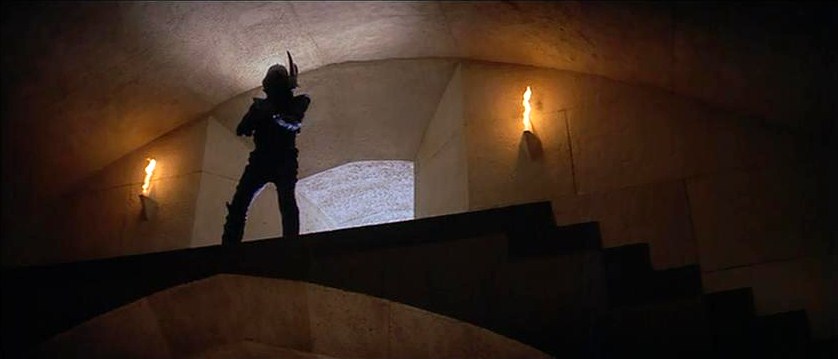 The Slayers, are one of the best parts of the film, though they are silent other than a horrific scream they emit when killed they make a mark onscreen for a foe. Their laser spears and ominous silhouette of armour, and the worm-like creature that erupts from them when they’re defeated, make them far less derivative than they may otherwise have been. In fact, one of my enduring memories of Krull from when I was a child was just how scary it could be. There’s a great, tense scene set inside the lair of a giant spider, and a creepy sequence in a swamp, where a the Seer is taken over by a shape-shifting clone with black eyes.
 A Crooked Mile slaps us right in the middle of some pretty amazing and memorable moments to date in this game. Around every corner Telltale succeeds at introducing new characters in almost every scene which keeps the interest up, and brings some more light and story to characters we’ve only just seen a small glimpse of over the past two episodes. This episode drops some tough choices on you and some crazy consequences to boot, so overall this episode really gives you the feeling of being these characters and owning the story itself!
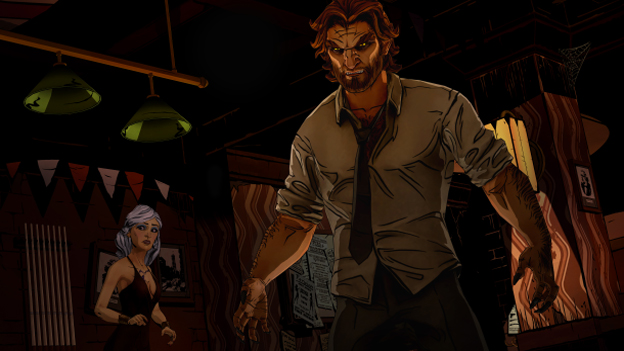 Without going into many spoilers here, this episode brings us one of the biggest scenes to date. Watching Bigby finally bare his superpowers against an army of angry dwarfs is just a taste it seems of what you get to look forward to in future episodes. This incredible moment in the game lasted about as long as a blink of an eye, so the wait for episode 4 is going to be a nail biter for sure.
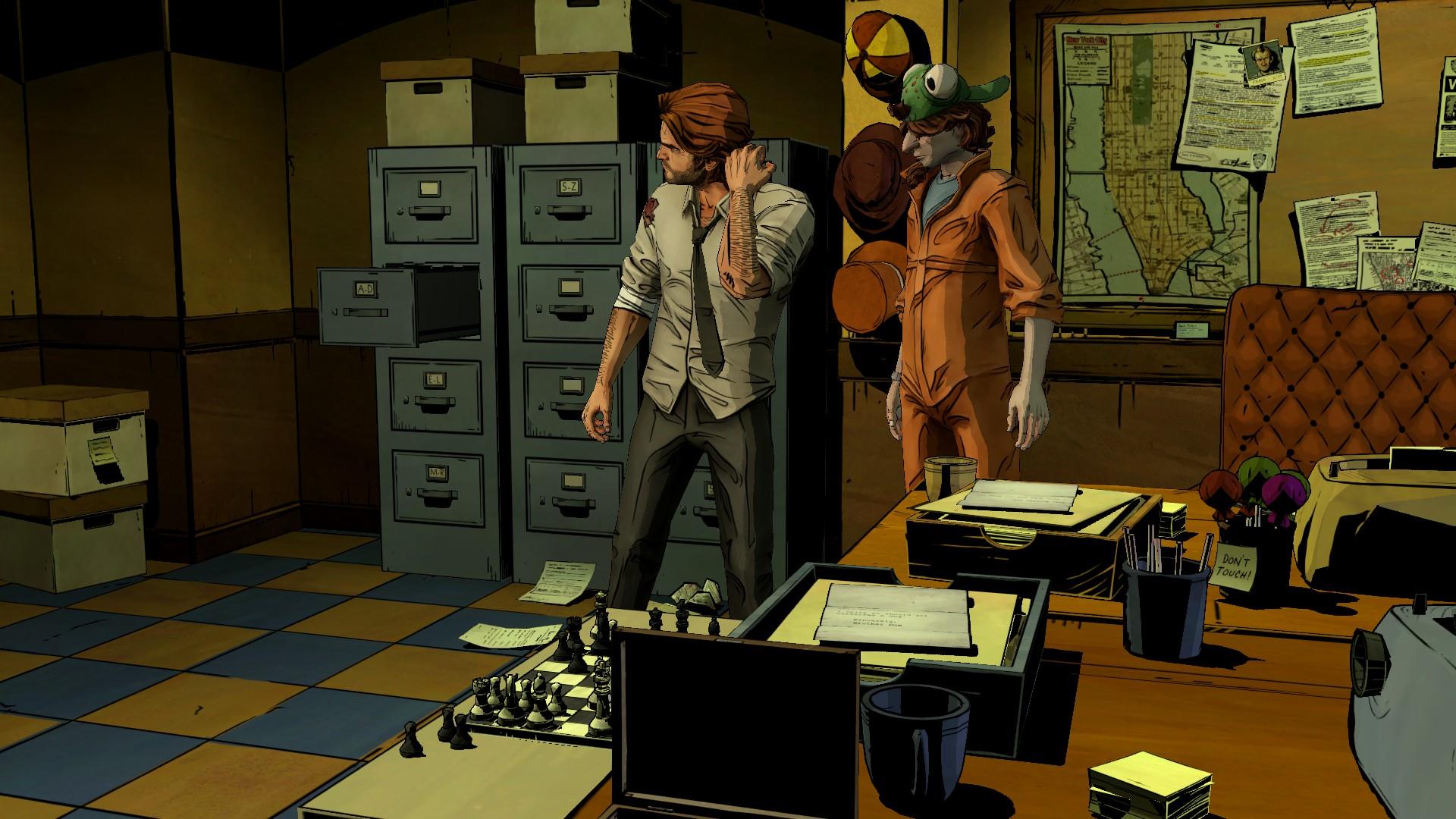 As great as this episode was to play through I had a little beef in a couple of the scenes as they decided to cut before I had a chance to fully explore the surroundings. Both of these scenes were packed full of things to explore and items to discover, so one moment I’m happily exploring, the next I was sliding right over into the start of the next scene which was disappointing.
 Ash & Veil