 Fantasy is a fun genre of fiction that uses magic or other supernatural elements as a main plot element, theme, or setting. Many works within the genre take place in imaginary worlds where magic and magical creatures are common. Fantasy is generally set apart and crosses paths with science fiction and horror as they all three have sub-genres in the fiction world.
Fantasy is one of those genre’s made up of many creative things and frequently includes elements from the Middle Ages. Most fantasy is adventure based, with a conflict between good and evil which is usually the common theme of plot. When you here fantasy you probably think of things like wizards, elves, magic, etc…Fantasy is often based on myths, legends, and folklore, that could stem across multiple cultures.
If you’ve thrown around the idea of writing fantasy then here are a few things to do.
- Read a lot of fiction in the fantasy, science fiction, and horror genre’s. Soak up as much as you can about the way the books flow, plot layouts, structure, etc.
- Do the real world research on any folklore, culture, and traditions those era’s had you want to pull into the book.
- Ask questions, find writing mentors, learn new ways to bring an idea to the page.
- If you are setting your story in medieval times or using elements from those times, research medieval life in the real world.
- Plan your fantasy worlds before you start, figure out all the details you want the readers to know about. This will help you during the writing process as it will become more natural and eliminate any doubt you might have on the topics.
- Set limits for your world and hero / heroine of the world, as this creates obstacles within the story for readers to be evolved with and helps get to know the world.
- Bring your fantasy to life with lots of detail. Give the readers a chance to meet everyone in the book, and make them feel at home like they are actually in the world you are describing.
Here are a few things not to do when writing fantasy.
- Don’t disclose everything you know about the fantasy world you’ve made. The planning you do up front is for you to make sure the story is told correctly, but that doesn’t mean that every detail you write needs to make it to the book. All the prep you do up front will give the readers something real to look forward to and enjoy. Give the readers some play room with things that you know about the world but they don’t yet. Let them come up with there own ideas and conclusions about a specific personality of a person, or maybe a place in the book.
- Don’t break the rules of the world that you have planned. This in a way will give the readers a false sense of reading and make them feel cheated like what your telling isn’t worth the time for them to read it anymore.
- Don’t copy people, places, things from other fantasy authors. Use your imagination to create this magical universe you want the readers to be a part of.
- Don’t lose track of the story and where you are at with it. Map the book out, the ideas, and all the fun details you get throughout the days while prepping to write. It’s fun to create worlds with magical tales to tell but don’t get so caught up with the tiny details that you forget to create the main plot of the story.
- Don’t forget to save MULTIPLE copies of this story and the details, along with any planning materials you have along the way. You don’t want to lose that work and not have a backup to revert to.
 The One Ring Lost
 The Battle Ground
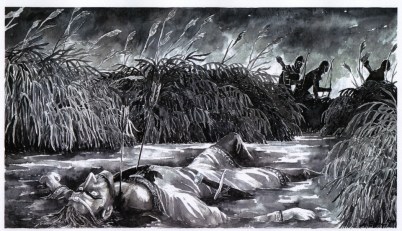 Wake of Destruction

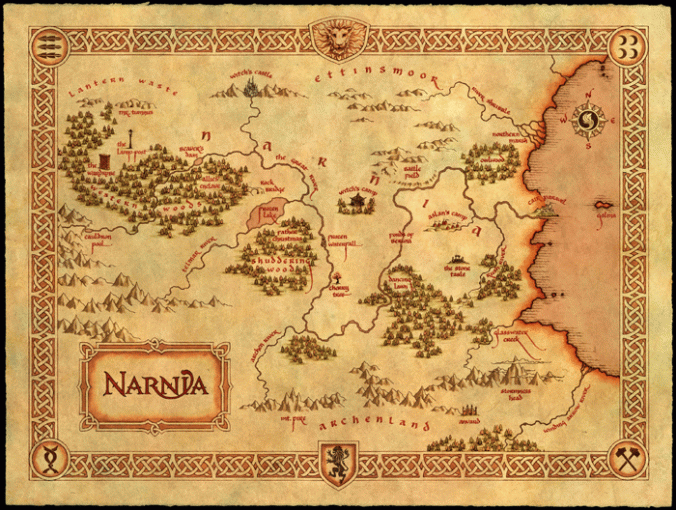

 As with most things in writing, there are a lot of ways to build a world well, and a lot more ways to do it poorly. First, let me start with the fact that I am still working on my first novel series, and the world building early on became overwhelming. This is no one’s fault except mine as I rushed into a very large project that at the time I wasn’t quite ready to tackle yet. Many years of writing short fantasy / sci-fi stories, and personal blogging gave me the feeling I was ready to take on a novel of epic proportions. Ultimately, I’ve loved every minute of this writing journey I’ve ventured into as it’s helped me grow as a writer, and building worlds was a huge step into the creative for me. These few paragraphs are just some of the tips and tricks I’ve learned a long the way to make world building easier, and more enjoyable.
 Fourth, You’ve decided how your world works, you’ve decided your characters’ places within this world, and now you have to write, write, write. I tend to give very broad outlines of my world and the inner workings; then as the characters move through the world, I bring out those specifics. My plot within the story moves very fast and at times the world building takes a back seat, but all in all the creation of the world takes place and ultimately becomes immersive.
 Ash & Veil