Starting a Blog & Keeping the Momentum

BlaugustRebornLogo2018Happy blogging day to you all!!!

First of all I just want to say what an amazing job everyone has been doing during the kickoff of Blaugust.  Great job on stepping out and participating this year as you all have been posting some crazy cool material!

This post is all about that first decision of why blog, and why should I put myself out there like that.  Between the thoughts of should I really do this, or the why would people ever read what I write, or just the question of what the heck do I write have probably popped into your head at some point and time.  Don’t worry, that is all very normal and that is exactly why Blaugust exists and why we have mentors here to help kick start that initial “Hump” phase of your blog.

We live in a digital world of almost everything now days and blogging / writing is no different.  The way we bring content to readers / viewers isn’t any different other than we have fancy technology to help us reach the world in seconds.  We live in a blogging world as just earlier this month I was looking through WordPress stats and tens of millions of posts have been made just this year around the world.  People love to blog, write, connect, and whether that be some digital form of social media, a novel they are working on, or even just setting down to have a good old cup of coffee to work on the next blog post.

Why start a blog? 

  • To share your passion of writing with the world
  • Making your name or brand visible with an online presence
  • Connecting with people through content you enjoy creating
  • Writing about games
  • Podcasting
  • Your a writer and need an outlet for telling stories

This list could go on an on, but basically the ideas are limitless as to why you can and would start a blog.

Today, just about anyone can get up and running in a few minutes using free services that make adding a post as easy as writing email. Knowing how to get your content out there is no longer a barrier — if you have something to say, saying it is easy.

Getting Started

There are several services that offer free blogs to anyone who wants one. The most popular services are WordPress.orgWordPress.com and Blogger, although a quick search in google will probably turn up a ton of other “free blog” options as well. Personally I prefer WordPress.com, mainly because it’s what I started with, but the foundation work is already built-in for you.  They offer stat tracking, built-in spam protection, a selection of really nice themes, a word processor-like text entry system (no coding necessary), and a lot more.

What to Blog About? 

Your blog is only limited by your passions — what do you have to say?  What purpose will this blog serve as?  Do you want a place to promote your writing, artwork, game play? The topics are limitless but you have to find something you are passionate about and a niche you enjoy writing about.

There are a few things you should know about writing a blog, though. While there are examples of every conceivable style of writing on blogs across the Web, there are a few qualities which blog writing tends to share:

Blogging for the most part is short: Reading on the screen isn’t as enjoyable as reading on paper, so people tend to shy away from really long pieces. 2,000 words is long for a blog post; 1,000 words is a pretty good goal, but it comes down to personal preference and what you enjoy.  I tend to get long winded at times and I write longer posts for the most part.  I’m a writer, what can I say?!?

Paragraphs tend to be shorter: Because you have to scroll a lot when reading on a screen, paragraphs tend to be shorter so a whole thought can fit in a browser window.
Important points are usually highlighted, as readers tend to skim through pieces a lot so the bold helps those keywords stand out easier.

It’s got a personal tone: Blogging tends to be a little more personal than most writing. What readers usually respond to is the writer’s unique voice, their personality as expressed through their writing.

Get the Momentum Going

Now comes the fun part! You’ve got the blog up, and you’ve got topics to write about. Getting the momentum to write on a schedule takes a bit of time and planning, but once you get it figured out….it’s pretty much smooth sailing from there on.

Create a posting schedule: When you start your blog, look at the schedule you want to have.  Do you post daily, once a week, twice a week, etc?  This will take some time structure and getting used to setting down and just doing it.  Block some time out in your schedule to do that. Start with something easy and work your way into more frequent posting. If you find you have enough time to post more, it will be a pleasant surprise for your readers (as opposed to the disappointment of readers used to seeing you post every day when you start posting every two weeks).  Personally I post a few times a week depending on my schedule and mood.

You could take the planning of the blog to whatever extreme you like and write posts in advance.  I have a few blogging friends that build up a backlog of four to five posts in advance so they have a cushion in case their schedules get to busy.  Basically you have to find what works for you, as it all boils down to what you find comfortable and enjoyable. Make it fun, make it personal, and make it enjoyable and you will find the blogging experience to be quite an amazing journey.

Don’t let the process of blogging be something that constrains your imagination, instead let it be the freedom you enjoy while writing what you love!

Happy Writing!

Cheers,

Detached
Kicking Things Off – Blaugust is REBORN!

BlaugustRebornLogo2018Have you been browsing the blogosphere lately?  If so….I’m sure you’ve seen chatter going on about Blaugust returning!  It’s not only returning, it’s being kicked off in a new fashion like never before.  In just a couple of days the vast community of this lovely realm we call the blogosphere will be furiously posting articles of all sorts throughout the month of August.

This is my first post of many to come throughout the month about Blaugust, and I can’t tell you how excited I am  for this event!  People talk about blogging being dead, but that’s the farthest thing from the truth.  This is a large thriving and very strong community of beautifully creative people, and I’m honored I get to be a part of this wonderful chaos.  I jumped on board this year as a mentor, and would love to jump in and get to know you all more.  I took the blogging plunge in 2009/2010 and have enjoyed every second of it…..though it’s come with a roller coaster ride, the journey has been amazing!

What To Expect

First off this is a place of community and encouragement, so if you are nervous or not sure you want to take this ride…..I highly recommend you jump in as you won’t regret being around this amazing community of peeps.  Our mentors participating in the event have already begun blowing up the blogging realm with prep-posts about all the fun to come this month!  Check out the spread sheet of everyone who is joining in this year and where you can find them!

Blaugust was originally started by Belghast at Tales of the Aggronaut which was focused on a challenge for the month of August by posting each and every day.   This year the event has become a hybrid of Blaugust and the Newbie Blogger Initiative or (NBI) as some who participated in it may know.  NBI was the very first blogging event I had the pleasure of participating in, and it was an amazing experience as I learned so much from everyone.  If you want to know more about these events and where they came from, the passion behind them, and why the blogging community has such a big heart for writing and coming together please click here to see more. 

Participating and Goals

Haven’t ever blogged before, not a problem! Just started a blog and figuring things out, great! A veteran of the blogosphere and looking for the dusting cloth….no worries at all! Come join and jump in as we are gonna have some fun, and there are awards for no matter what level of blogger you are!

  • Newbie Blogger Award – You did it, you created a new blog and by god we are going to sing your praises for doing it!
  • Bronze Award – You made at least 5 posts during the Month of August 2018.
  • Silver Award – You made at least 15 posts during the Month of August 2018, go you!
  • Gold Award – You made at least 25 posts during the Month of August 2018, you are a badass!
  • Rainbow Diamond Award – You did it, you posted every single day during the Month of August 2018 and deserve accolades.

Need Help – No Problem! We have Mentors!

Doesn’t matter how experienced of a blogger you are, it’s always nice to have a community that you can reach out to for advice.  During this event we have a Mentor system and a very structured set of themes to help during the month!

  • July 25th – July 31st – Blaugust Prep Week – posts about the technical details of getting started in blogging.  Tutorials, advice, tips for naming your blog… that sort of stuff to get people ready to hit the ground on August 1st running.
  • August 1st – August 7th – Topic Brainstorming Week – posts about ideas for topics that the participants can then mine for the rest of the month.
  • August 8th – August 14th – Get to Know Each Other Week – hanging out and meeting other people in this new fledgling community and hopefully gaming together a bit!  Also highly support doing some sort of collaboration on shared topics!
  • August 15th – August 21st – Developer Appreciation Week – post about the things that you really appreciate in gaming or any other community… because chances are there is a developer or designer behind the things you love.
  • August 22nd – August 28th – Staying Motivated Week – tips and tricks that you might have to stay motivated and keep creating content against the tyranny of a blank screen.
  • August 29th – August 31st – The Final Stretch: Lessons Learned – as a way of getting us across the finish line, talk about some of the experienced you had during the month and maybe things you learned about yourself.

Ok seriously, who’s excited to jump in and come join this amazingness!!!  Come hangout with some of the most amazing bloggers on the face of this planet.

Bel put together a signup sheet if you choose to join, and we also have a Discord server where you can connect with all the bloggers and mentors.

What are you waiting for!!!! Click the links below and come say hello! You won’t regret it!

Writing Foundations of Fantasy Characters

When you think of fantasy novels, most people think, epic battles, magical worlds, filled with creatures and mysteries to solve. Those worlds have to have must be populated with engaging characters, and instances to grab the readers attention.  Strong characters are important to fantasy fiction for many reasons:

  • Fantasy often tells the story of events on a grand scale, and having characters the readers can connect to and care about makes that story tangible, and more enjoyable.
  • Fantasy often has an element of wish fulfillment about it, so readers want characters they can identify with and understand.
  • Engaging characters can help readers feel as though they get pulled into the story, and feel comfortable in an otherwise unfamiliar invented world.

The most popular fantasy fiction tells us that enduring characters influence how much readers love a work of fiction. Bilbo and Frodo Baggins, Harry Potter and his friends Ron and Hermione, and a whole host of other amazing and enduring characters throughout fantasy history are all amazing examples of iconic fantasy characters.

Several of the characters listed above are protagonists, but the surrounding cast to the protagonist must be engaging as well. No reader will feel suspense if the antagonist is unbelievable and lacks the luster to engage the readers. If the love interest in the story is one-dimensional, readers aren’t likely to be interested.  A mentor adds gravity to the protagonist’s quest, and sidekicks make the protagonist more likeable by bringing in the chance of humor and good laughs. This creates a broad contrast, and wholeness that a protagonist who is busy defeating evil throughout the book might otherwise not have the opportunity to show.

Characters are the heart of your fantasy novel, and without strong characters, the reader ultimately won’t care what happens between epic battles, how the hero of the story grew and challenged evil, or ultimately how the book ends.

One way to create memorable characters is to begin with set types and add depth to each of the specific characters.  No matter what approach you take to creating and developing characters it has to work for you.  This is definitively a formula based way to create characters, but fantasy character types are no different then how the framework of a plot outline works. If you think about some of the characters listed above, there are several types.

Hermoine Granger is the smart girl, Harry Potter is the orphan boy with secret magical powers, and Bilbo Baggins is the reluctant adventurer. All of these are stock characters from literature and the fantasy genre in particular. Yet if you are familiar with these particular versions of these characters from your own reading, you know that this stock description only scratches the surface of who these characters turn out to be: it doesn’t fully convey their strengths, weaknesses or story arcs.

Here is a list of five different fantasy character types you can develop and make into memorable characters for your readers! 

The Protagonist – aka “The Hero”


Up to this point, we have mostly discussed the protagonist, but there is a reason for this. This is the most important character in your story. If the protagonist doesn’t work, it won’t matter how well-developed the other characters are as no one will care or even stay engaged enough to finish the story.

Here are a few points to consider as you develop your protagonist:

  • Is your protagonist an ordinary person or do they have some extraordinary powers that help them fulfill their destiny?
  • Is your protagonist more of a traditional hero or is he/she an antihero? In other words, does your protagonist display typical qualities such as courage, loyalty and goodness, or does the protagonist have a dark side?
  • What are some of the defining characteristics of a protagonist? This will definitely help you put together an initial frame for developing this character.

The Antagonist – aka “The Bad Guy”

One error some writers make is creating an antagonist who is purely evil. Their reasoning may be that a more evil character is more likely to create suspense for the reader.

The problem with this approach is that the character may become so over-the-top evil that the reader disengages. A story is often more interesting when the antagonist has motives that are clear and understandable, even if the characters logic or actions behind their motives are wrong.

Another approach to making your antagonist more attractive and enjoyable to read is giving the character a connection with the protagonist.  If you have ever read any of the great fantasy novels of our time, then you get to see these connections come to life very clearly.  Look at Voldemort in Harry Potter or Darth Vader and Luke Skywalker in the Star Wars universe.  In The Lord of the Rings, Sauron is not relatably human, but Saruman was the mentor of the good wizard Gandalf, so when Saruman switches allegiance to Sauron, the betrayal increases a sense of threat and helps the reader understand the emotional roller coaster this has on it’s characters.

The Great Mentor 

This is one of the greatest categories of characters in a fantasy novel ever in my opinion! Like so many stories before this write up we saw such greats as, Frodo Baggins has Bilbo and Gandalf, and Luke Skywalker has Obi-Wan Kenobi.  Each of these great mentors are absolutely invaluable to the protagonist’s development. The main function of a mentor is to educate or train the protagonist, but the mentor can bring a very powerful and emotional component to the story as well.  One of the most interesting things over the course of a fantasy novel, is it’s almost inevitable that at some point the mentor and protagonist must part. Whether this means the death of the mentor or simply the mentor’s departure, this is usually a very emotional and dramatic turning point for the growth of the story.

Here are some points to consider when developing the mentor:

  • Does the mentor have any unusual abilities such as magical powers, or is their primary purpose to impart wisdom and teach?
  • What is the relationship between the protagonist and the mentor? Is it positive from the beginning, or is it a rough and bumpy ride?
  • How do the mentor and protagonist part? Is it sudden and tragic, or is it planned? How does the way the relationship ends affect the protagonist and overall cast of characters for the story?

The Sidekick

Protagonists can sometimes seem incredibly heroic, and sidekicks can help humanize them as well.  At times you will even see the sidekicks overshadow the protagonist.  This is not a fail on the part of the writer, but instead just a natural progression of the roles in the story.  In fantasy fiction, a protagonist often becomes so much larger than life that as the story progresses it becomes increasingly difficult for the reader to relate and engage. Meanwhile the sidekicks are often characters who are more ordinary and perhaps more likable or similar to the reader, which helps them enjoy and engage with this character. What is most important about the sidekick is that the writer remains in control and keeps things cohesive! It’s very easy to derail yourself when writing a character type like a sidekick, as you can pull the focus away from the main plot and protagonist so easily.

Sidekicks often offer wisdom, comic relief, or commentaries that match the reader’s perspective more closely than that of the protagonist. We’ve seen some very memorable and fond sidekicks but some of my favorites to date are still R2D2 and C3PO from Star Wars. Sidekicks are frequently invaluable, and often a protagonist cannot succeed without them.


The Famed Love Interest

Much like the sidekick, the love interest helps bring a level of humanity to the protagonist that is needed. The love interest also provides additional opportunities for conflict, suspense, and engagement with the readers. To create an effective love interest, writers should make this character multidimensional and not simply a perfect reflection of the protagonist’s — or the writer’s — wants, needs, and desires.

The love interest will usually be setup in such a way they challenge the protagonist by seeing or doing things in a different way. This character may also raise the bar for the protagonist which helps orchestrate their relationship.  This type of character opens up so many different paths you could take with the protagonist, such as a cause they can be committed to, or even a vulnerability the readers relate with.

One of the most important things to keep in mind while developing this character and the relationship, is that creating any relationship in a fantasy based novel should be no different from any other type of fiction. Writers in the fantasy genre will find it most effective and best suited to portray the growth of the relationship in real and concrete ways, as it makes it easier for the readers to engage and relate.

Protagonists, antagonists, sidekicks, mentors and love interests may seem like basic characters of fantasy, but they are the foundations of a well developed, and very complex set of characters that readers have fallen in love with for ages throughout the fantasy genre.  Have fun and enjoy the wild ride you get while creating the characters in your novel, as they will be the unique attraction points readers engage with!

The Kings of Gondor: Part Nine – A Bloodline Lost

Welcome back fellow hobbits and people of Middle Earth! It’s been a very long time since I last wrote about the Kings of Gondor, but after a long break and much time away with family I felt it time to return and continue writing.  So, looking forward to continuing this series and many others just like it.

83600606The Unwise King

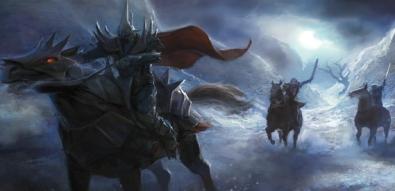
Earnur was the son of Earnil II. He like his father was a great warrior and became a great leader of armies before he became King.  His greatest victory was against Angmar in the Battle of Fornost, in which he defeated the Witch-king, whom he intended to slay had his steed not panicked in terror of the Witch-king’s darkness.  Earnur became King in TA 2043, and was challenged by the Witch-king of Angmar.  The King of the Ringwraiths, who then resided in Minas Morgul wanted this King of Gondor dead and gone.  Earnur, being quick to anger and wrath, would have accepted his challenge had the wise Steward Mardil Voronwe not held him back, and so the first challenge went unanswered.  Just seven years later a second challenge came, mocking Earnur, and the steward Mardil was not able to stop the King this time.  Ernur accepted the challenge, and after entering the gates of Minas Morgul with a small escort, Earnur was never heard from again.  The unwise King was thought to be dead, so his crown now rests upon his father’s tomb in the Hallows of Minas Tirith.

Prophecy_GlorfindelThe Battle of Fornost

A year prior to the battle, the armies of Angmar conquered Arthedain, the last realm of Arnor. Angmar’s armies had taken Fornost, the capital of the Dunedain, and Arvedui, the last King of Arnor, had drowned in the Ice-Bay of Forochel. A year later, a fleet of ships under King Earnur arrived in the Grey Havens and set off toward what was left of the once-great northern kingdom. With the armies of Gondor came men from Rhovanion, elves from Lindon, and the remainder of the Dunedain (among them Aranarth, the Prince of Arthedain).

The battle itself did not take place in the city of Fornost, but on the plains to the west of the city, near Lake Evendim. The armies of Angmar hurried west to meet the assault, and seeing this, the cavalry of Gondor rode north into the Hills of Evendim to wait in ambush. As the main part of the army of Gondor met the enemy in battle, the Gondor cavalry set out from the hills to strike the rear of the army of Angmar. This served as the turning point in the battle, and allowed the combined armies of the west to gain the advantage. Realizing that his forces were all but completely destroyed, the Witch-king of Angmar fled eastward. As he fled, an army led by Glorfindel came up out of the south and blocked his escape, destroying what was left of his crumbling army; the Witch-king himself was able to escape during the night and fled southward. Though the battle itself had been lost and Angmar utterly destroyed, Sauron was extremely pleased with the Witch-King’s work, for the destruction of the northern kingdoms of the Dunedain was a victory for the Dark Powers which far exceeded the loss of the Witch-King’s realm.

Glorfindel,_Elrond_and_King_Earnur_unite_against_the_Witch-King_of_AngmarA Broken Bloodline

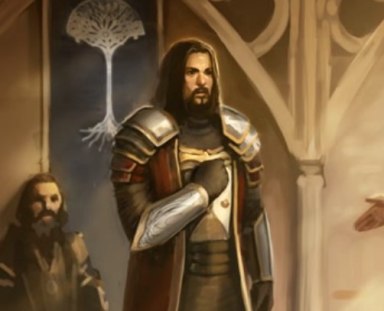
The Line of Anarion was broken with the disappearance of Earnur, and the rule of Gondor passed to the Stewards beginning with Mardil Voronwe, the Steward who had tried to restrain Earnur from going to Minas Morgul to face the Witch-king. The Stewards were to rule “until the King returns” for it wasn’t sure at first whether Earnur had been killed dueling with the Witch-king or not. In addition, Earnur left without naming an heir, and while many nobles in Gondor could lay some sort of claim to the kingship, those claims were generally held in doubt, and no one wanted to risk another civil war like the one that had devastated and weakened Gondor.

The Stewards of Gondor were firstly the chief high councilors to the Kings of Gondor and then the rulers of Gondor, until the return of the rightful king (Aragorn Elessar).

First created by the powerful King Romendacil I, Steward was the traditional title of a chief counselor to the Kings of Gondor.  The Quenya name for the title is Arandur , “Servant of the King”.  The steward was was usually an elderly man not from the Royal House chosen for his wisdom and integrity, and was never permitted to go to war nor to go abroad.  During the time of the Steward Pelendur, from the famous House of Hurin, the title became hereditary, passing the station of counselor from father to son, much like the Kingship.

The House of Hurin was founded by one Hurin of Emyn Arnen, Steward to King Minardil, the twenty-fifth King of Gondor. They were of high Numenorean blood, but not descendants of Elendil in the ruling line.

After the death of King Earnur, who left no heir to the throne of Gondor, the Steward Mardil Voronwe became the first of the Ruling Stewards. Mardil was the first of the Stewards to administer Gondor, and his descendants did so for 25 generations.

The Stewards watched over the throne until it could be reclaimed by a true King of Gondor, an heir of Elendil. When asked by his son Boromir how long a time must pass before a Steward could become a King, if the King did not return, Denethor II replied, “Few years, maybe, in other places of less royalty … In Gondor ten thousand years would not suffice” (The Two Towers).

The Stewards never sat on the throne of the King; instead, they sat on a simple chair of black stone placed below it.

I hope you all are enjoying this series as it has been an absolute blast to write and put together!  We are nearing the end of the series but still have a lot more writing to do, so stay tuned to the site and think about following so you never miss one of my series.

You all stay awesome and I bid you a fine farewell!

Cheers,

Iogro Merrybelly


Marvel Studios: Black Panther – Hitting Theaters February 2018

v006q4ynkmbxcdfqo7fjBlack Panther is one of the upcoming phase 3 movies that Marvel has revealed they are very excited about.  Looks like the fans will be getting there first official taste of the Black Panther trailer that will be releasing this summer.  Marvel has a pretty big year ahead of them as they will also be at the Disney D23 Expo, and San Diego Comic-Con showing off new projects.

If you all don’t know much about the Black Panther then check out the quick history run through from Variant Comics as they do a fantastic job.

From what we know so far the story of Black Panther will chronicle T’Challa finding balance between being a man, soldier, politician, and the soon to be responsibility of becoming the king of Wakanda.  The movie will look to take place very close to the events that happened in Captain America: Civil War.

One thing I would like to see from the movie is paying tribute to the history and past of the Black Panther, as he comes from a world us fans have never seen on screen before. Marvel could take this movie so many different directions as this will be the first time we get a real glimpse into the full life of this character.  We did get a small little nibble of who they were creating the Black Panther to be in Civil War, but for most fans it wasn’t enough and it just left them wanting more.

Overall, the Black Panther is a Marvel superhero that has always intrigued me and many others.  Personally I can’t wait for the movie to release and knowing the fact that we have to wait until summer to see the trailer just makes it that much harder to wait.  This movie I think will set a new stage for Marvel to begin explorations deeper into the Marvel universe and begin expanding characters that we all grew up with and love even today.  Black Panther hits theaters February 2018 which seems like an eternity away, but here’s to hoping for great things!

Nintendo Might Be Adding VR To The SWITCH

What’s going on guys…I don’t know about you but I am freaking pumped about the Nintendo Switch! I haven’t been able to say that about Nintendo for a lot of years now as I was not a Wii fan and they lost me as a customer long before that came out.  But…..the Switch looks amazing, and the features that Nintendo is promising to deliver have me hooked.  I am somewhat a skeptic when Nintendo says they are going to deliver on something nowadays though as they have failed quite badly in the past.

So the latest news on the Switch is that Nintendo president Tatsumi Kimishima has explained that the company will add VR support to its upcoming Switch console if it can resolve issues of comfort over long periods of use.  VR on a device like this honestly would be mind blowing awesome!  WE shall see what they do though, as the company is researching / working on how to implement virtual reality into the Switch but have some pretty big concerns on the process.  This part doesn’t sound promising, but like I said we shall see what they do.  They did say that if they are able to resolve the issues with playing “VR” comfortably for long periods that they would support the feature in some form or another.  “Some Form Or Another” from Nintendo is not very reassuring that we would be getting a solid preforming device.  I hope they stick to the basics here and don’t try to overextend and deliver a hybrid gaming device that tanks.

The Switch Super Bowl Teaser – 

https://www.youtube.com/watch?v=ZUDkrkykvZs

Looking back over the last few years at VR and some of the things it’s brought with it are hopefully things Nintendo will weigh heavily before implementing such a thing.  VR can suffer from a number of comfort-related issues, including simulated movement nausea, eye strain and the weight of headsets can cause quite the headache over time.  Their are a lot of factors to weigh in on technology like this, and to have a hybrid gaming console, tablet, and VR system all in one….. Too Much?!?! Or is this just a step into the future of where gaming is going?

Nintendo has played around with VR in the past, and the creator of Mario even explained that they have the “base foundation technology” of VR and they continue to research it. Apparently Nintendo even went as far as to patent a VR headset that the base of the switch tablet could slot.  We won’t see The Switch arrive until March 3rd of this year and I’m really hoping to get my hands on one.  Very unlikely as I’m sure they will be sold like hot cakes….but here’s to hoping.

Star Wars Episode 8: Thoughts & Questions – Who is This Last Jedi

the-last-jedi-star-wars-episode-8

Just a few days ago the Star Wars galaxy got great news as the next Star Wars movie, Episode VIII received it’s official title – The Last Jedi.  This spawned a lot of excitement among the fans but the release of the poster that featured red font also spawned a bunch of questions.  One being, who is “The Last Jedi” that the title refers to?  Who knows really what plans the next story has but I wanted to dive into a few of these topics and let you know my thoughts.

Let’s start with the end of Return of the Jedi after Vader passed his son Luke Skywalker was the last living Jedi Knight, or was he?  Just last year we saw the release of the Force Awakens – Episode VII in the series which takes place 30 years after the Return of the Jedi. This also took place after Luke Skywalker had tried to re-unite the Jedi order with a new generation of Jedi.  During the Force Awakens we learn that those young Jedi trained up by Luke were killed by Kylo Ren.  So with that said it raises massive questions about the new title for Episode VIII of The Last Jedi as Kylo Ren was a force sensitive and once fought for the side of good but was quickly taken by the Dark Side of the force.

During Episode VII we also got to meet Rey, which was a very mysterious young girl who we learn during the film was a force sensitive that saw her powers quickly develop. Her force powers came to light pretty quickly during her confrontation with Kylo Ren so it begs the question is she a Jedi? At the end of the Force Awakens, Rey finds Luke on his island hiding place of Ahch-To which brought to light that we now have a Jedi Master, and what could be the next Jedi apprentice! This was such an epic part of the film as Rey delivers the original lightsaber to Luke opening up so many questions, excitement for the next film, and wonder of whats going to happen next.

Now back to our first question of who is the Last Jedi from the new title of Episode VIII? Does this refer to Luke himself, or does the title refer to “Jedi” which can also be plural or singular.  Are we looking at Luke and Rey being the last Jedi in the universe? This title may even refer to a next generation of Jedi from which we see Rey showing force traits in the Force Awakens.  As we know the Force Awakens was a passing of the torch type film for the old generation to the new. What about Kylo Ren as we know he destroyed the generation of Jedi that Luke was training so maybe we will see a rejuvenated Luke when he learns of Rey’s force abilities? This is all speculation of course but these are the thoughts that have been running through my head since seeing the new title for Episode VIII.

I am very excited to see the new film, and I know you all are as well!  Does the Last Jedi refer to Luke from the old generation and the new film is going to be another push on passing the torch to this new generation?  In the Force Awakens the opening roll talked of the Rebel hero as “The Last Jedi” so who is this mysterious Rebel Hero, or Last Jedi?

Creating Great Fantasy

creating-great-fantasyWhile some have looked down on fantasy fiction as derivative, poorly written or childish, the fact is that our oldest literature is fantasy fiction. From The Epic of Gilgamesh or the Odyssey, or one of my absolute favorites Beowulf! All of these stories that have survived the disappearance of ancient civilizations are stories of gods and magic and quests and monsters. It’s undeniable that fantasy is one of the most popular and favorite of many across all ages.

J.R.R. Tolkien is generally considered to be the father of modern English-language fantasy fiction for adults. There were fantasy novels written prior to Tolkien’s The Hobbit and Lord of the Rings, such as Lud In The Mist by Hope Mirrlees and The Worm Ouroboros by E.R. Eddison, but it was the commercial success of Tolkien’s work that kicked the modern genre into high gear.

Like every genre, fantasy is capable of producing fiction that is well-written and thoughtful with original characters, settings and plots. Modern classics such as the Earthsea series by Ursula K. LeGuin or Jack Vance’s Lyonesse series stand as proof that fantasy series can have wide appeal among readers of all ages and reading preferences. One of the biggest hits of today’s generation is, George R. R. Martin’s Song of Ice and Fire series which is wildly popular with critics, readers and viewers of the TV series adaptation, Game of Thrones.

Despite the success of G.R.R. Martin, some still argue that the last thing the fantasy genre needs is more long series of novels. However, this view does not appear to be shared by either readers or writers.

Writing A Series That Contributes Something New:  A Few To-Do & Not To-Do’s

Read A Lot of Fantasy
This advice is sort of a cliché in itself, but something that is quite necessary in my opinion. If you are thinking about writing a fantasy series, then you are probably already well-acquainted with the genre, but you may only read a certain type of novel or a handful of authors.

Becoming familiar with the genre’s clichés and pitfalls means reading a lot of fantasy novels. This includes the good, the bad and the awful, and as you are reading think about the plot and what works, or doesn’t work. Read what is popular and what is critically acclaimed as the broader the scope of your reading, the better you will know what kinds of fantasy worlds and subtopics are still to be told.

In addition to reading contemporary writers, you should also read older fantasy. In part, this is important for understanding the history of the field, but it’s also important because it often provides insight on where clichés come from. When Tolkien penned the Lord of the Rings trilogy there was nothing cliché about elves and long quests and magic rings and using Northern European myth as the basis for a long fantasy series, but that is no longer the case.

Knowing the history of the fantasy genre and the realm you’ve decided to dive into will help you understand how to write a fantasy series. It also shows that elements of the fantasy genre that critics sometimes ridicule are not inherently bad but simply have been done 30 or 40 years ago and have been worn thin through overuse.

Forget The Big Guys

Tolkien, C.S Lewis, L. Frank Baum, and a countless number of others are the best the genre has ever known.  They have in sorts cast a very heavy shadow across the field. Too many would-be and actual novelists who hope to follow these giants and their footsteps have shoddily constructed languages and maps and worlds and created thinly veiled versions of his characters.  I myself have even been inspired by these authors, but it’s important you move away from big authors like this as to not get sucked into any overused work.  Burly dwarves and angelic elves can be interesting, but if you use stock characters such as these, try incorporating them in an innovative way in your fantasy books.

Fantasy Traditions

Some writers feel that using the traditions of a culture that is not your own is a kind of appropriation, but we could say that about any genre of book if we take an honest look at the author’s inspiration.  Drawing inspiration from the history, art, literature, and folk lore is just good practice for great idea churning! This does require a level of sensitivity and a lack of condescension, if you want to steer clear of possible backlash, but it’s quite possible to do without offending a culture or misusing these ideas.

Looking at a lot of culture and legends that have been used over the fantasy genre, you can look no further then Europe.  Some people say it’s been overused in the modern fantasy but George R.R. Martin turned this so called overused idea into a fantasy classic with his Fire and Ice series.  He chose a period of history that is largely overlooked and he approaches his novels as if they were historical fiction.  Martin brings something fresh and rejuvenated even though his inspiration seems to come from a part of the world that has been reworked to death by fantasy novelists before him.

Stop When It’s Time to Stop 

One of the biggest complaints about fantasy novels / series is they don’t end.  At times the story is lacking depth and stretches to broadly across many books.  Don’t overstay the book series welcome among the readers as they can quickly be burnt if you don’t know when to stop.  Leaving the audience gritting for more is the best way to end a book as it’s way better then complaints rolling in about you needing to throw the pen away ages ago. Keep track of when you write, how long the series are running and what kind of feedback you get and it will make things much easier on when to stop writing vs. continuing something that’s not working.

How Do I Get Readers Hooked Across Story Arcs?

If you are looking at having multiple books then planning is key!!!

I can’t stress enough on how important it is to have the overall story arc planned out and tracked.  Each book should be plotted out and each individual story arc should be tracked as well.   You simply cannot write a three, five or even eight book series that sustains the necessary narrative drive and focus to keep readers interested without some idea of where the story is going. Planning also helps you avoid introducing subplots and characters in earlier books that go nowhere.  Errors like this can be frustrating enough to make your reader put your books down halfway through the series and never return.

Your books must be self-contained to some degree as well. You must balance the progress of the overall arc along with the smaller arcs.  Readers will easily become frustrated and may lay the book down if you move away from the main arc for an extended period. This becomes a fine balance of holding the readers attention and being able to switch between multiple stories through a books overall story arc.  Different readers will naturally have some characters and story lines that interest them more than others, but you need to keep all of your story lines engaging enough to keep the reader turning pages. One way to do this is by writing emotionally-engaging characters. Another is to ensure that the main arc of the story is furthered through subplots.

Finally, one of the most important points to keep in mind is that writing a fantasy series is in many ways no different from writing a novel. You ultimately have to approach your series as though it is one very long novel.  This can be very tough and challenging because you need a fully realized world that engages characters to inhabit, a plot that is going to draw readers in, and the mix of conflict / tension that will keep the readers turning pages for more.

Fantasy remains one of the most popular series among readers of all ages.  Avoiding the pitfalls of clichés and planing a strong story arc that drives the story to completion and produces something readers will grab a hold of.  Keeping the main story arc central is key throughout the novel series but avoiding the addition of too many subplots is that fine balance between readers being hooked, and dropping the book like a hot potato.  Stay focused and have fun while you write which will help you move the story along.

A Fantasy Writers Process

tumblr_static_tumblr_static_4eo5pzujbwcg8gws0gcc8oc0s_focused_v3.jpgIt’s hard to start writing a niche genre like fantasy when you’ve got the passion for it, but no idea where to start! Maybe you have an idea, but you’re afraid to take the first step because you’re afraid of failing. While the writing process is frustrating and yes, your story may not work out, but if you do your research and work hard, you will find yourself creating an unbelievable story with a world you can mold to your liking.  It’s going to take a lot of patience, will-power to push through tough areas, and learning a few tips along the way from fellow writers.

This is my “Where Do I Start List” on the most important parts of the writing process that I use all the time.  None of these steps are chiseled in stone by any means but these are all tips / tricks I’ve learned over the years….and taken the good advice of better writers who helped me along my journey.

1. Write down EVERY SINGLE IDEA you have!  When writing a novel it doesn’t matter how silly an idea may sound, you thought of it for a reason so write it down.  These ideas can always stem into another and cause creativity and imagination to be boosted.  Plus this is a great way to keep track of the “Idea Process” which is how you personally pop out ideas.

When writing ideas down it could be as simple as (random word here) or it could be a bit more complex and you take it a step further.  Try something like this below and see if it helps with creating new ideas.

  • “Maybe (insert random name here) came across a clue (insert random stuff here) and discovered a great secret.”
  • “Should (name) be a knight or a king, or just some (random person in the story?)”
  • Keep track of how you use ideas and organize them.  See my post on mind mapping a novel to get some ideas of what to use and how to use this method.

2. Look at the setting of a story first before anything.  If you are a fantasy writer like me, then I’m sure you’ve spent a good bit of time doing this already.  Remember this is your story and you can make it however you like, but it’s always a good thought to look at other writers and see what imaginative thing they’ve come up with.  Does your world rely on magic, or maybe it’s inspired by a real place and you’ve put a twist on it.  Depending on what you choose, your characters must reflect the cultures and upbringing in this world. My novel is set in a fictional world but still close to home with traces of European cultures with kings, queens, monsters, tall tales, and hero’s alike.

3. Character development is an absolute must!!!! Make sure you take your time and plot out each character…give them some love as I’ve seen to many times where a story could have been great but the characters were very underdeveloped and it ruined the story. Pay close attention to those minor characters in the book because they can become key to a great story.  Take a look at a post I did on writing minor characters.

4. Character Names have to tie into the cultures you use in the story.  Think about that for a second as this can go a lot of different ways.  Do you have a made up language like Tolkien, or maybe you’ve pulled from Greek mythology, or just classic names from different cultures.  Most of my book I’ve created comes from a European background with a lot of made up in between.

5. Make a timeline because this helps keep everything consistent throughout the story, especially if you use days/weeks/months in your story. This will also allow you to go into accurate detail about places, seasons, weather, people etc.  My book i’m currently working on, Brothers Three, ranges over the course of a 10 year period for the main story.  This story begins with the birth of three brothers who were separated at birth to disguise who they really were, but picks up when the boys are 10.  The story begins on a spring morning, so I made sure to describe the temperature and what the “Spring” season was like which also affected the terrains and landscapes of course. Always make sure to keep in mind the time of year and how long time has passed in your story so that it’s consistent. A timeline also helps with events leading up to your main story. Every major event in the story, whether it actually occurs during the present or not, should be recorded on the timeline. If something major happened to a character in the past, it should be recorded. If something major happens before a main character is born, record their birth-date on the timeline.  I don’t want to give any spoilers away for my book so I didn’t want to share my timeline but one day in future posts I hope to share that process.

6. Make an outline of your entire plot. Some people argue against this process as there are authors who just write great work as they go along, but in my opinion making an outline worked great for me.  Your timeline you created can help a great deal with creating the outline as you should be keeping track of all major plot points and how they roll across chapters, major / minor characters, minor plots, climaxes, etc.

7. Editing, Editing, Editing!  Once you’ve typed out your manuscript, edit it yourself into multiple drafts….Why? Because you don’t want to lose the thing for one, and you are going to butcher this thing when editing it.  I would take a few chapters at a time, print them out, and use a colored pen (I prefer red or blue) but any color you choose will work to cross out, change words, or fix punctuation. It definitely helped me to have a thesaurus and grammar book for quick reference as well.
These are the main points I like to use when writing and getting things ready to edit. Everyone is different and each has their own methods they will develop and enjoy to use. These are mine and I hope they might work for you on the writing journey.  Good luck to all of you with your own writing adventures!

Blogging Is A Journey

blog-typeBlogging is a great outlet for writers who want to grow and connect with an audience or just to have an outlet for something you enjoy…”Writing”!  This provides us a way to go in depth over a social media post, aka micro-blogging outlet like Twitter.  I’ve enjoyed blogging for years and it’s given me a place to hangout with others in my little corner of cyber-space.  If you’ve spent anytime at all blogging or writing, you know it can be tough and at times bring some stress with it.

Over the years I’ve learned by being burnt by fire and gleaming knowledge from others who were better writers than I was.  So here is my list of some tips I use that I hope will help you in your blogging journey.

 
1. You never know when a good blogging idea is going to pop up, so put those blog ideas down on paper, or keep a digital list of sorts.  I personally go old school and use a notebook for my blogging ideas along with sticky notes as I use different colors for different topics.  It may sound like madness but it works for me and helps keep me organized for my writing schedules.

2. If you have time and can do it, schedule posts throughout the week.  With my schedule a week or two out is all I can do but most of the time it’s 4-5 days out.  Keep a backlog of posts if you are trying to hit a specific count of posts per week or month that you can quickly choose from as well.

3. Find you some blogging friends that will allow you to do guest blogging, and or co-blogging as that’s a great way to market your content and grow each others sites.

4. Browse through images you want to use for your blog posts and keep a stock in a folder for future posts.  This will help with the last minute search for an image, though lately I’ve been making my own depending on the topic.  See what works best for you and your schedule.

5. Make yourself a list of items to check before you hit that publish button.

6. Break up your posts into multiple parts if they are running long. This will help keep the readers attention and also coming back for those additional parts.

7. Use those comment sections as it can be a gold mine.  Watch for questions and good topics for conversations and even potential notes for future posts.

8. Life happens and if you are like me well then blogging is a hobby, so don’t stress if you don’t make those post counts you wanted.  Best thing to shoot for is consistency but when you can’t don’t sweat it.  I try to post twice a week but that doesn’t always happen.

9. Don’t fret about reusing previous posts or topics either.  You don’t want to repost the same exact post you’ve already used, but when you are in a crunch rework an old one and use that thing.

10. Give yourself some grace. This is a journey full of learning and it’s going to be filled with mistakes, and curve balls so when you find that crazy typo or sentence that doesn’t make sense, don’t worry.  Learn from those mistakes and make this blogging journey fun and something you want to become better at.

These are my bread and butter items I use whether I’m writing a small blog post, or working on my novel series.  I would love to hear from you all on any thoughts or comments you have.  Would you all add anything to this list?